
Pruning
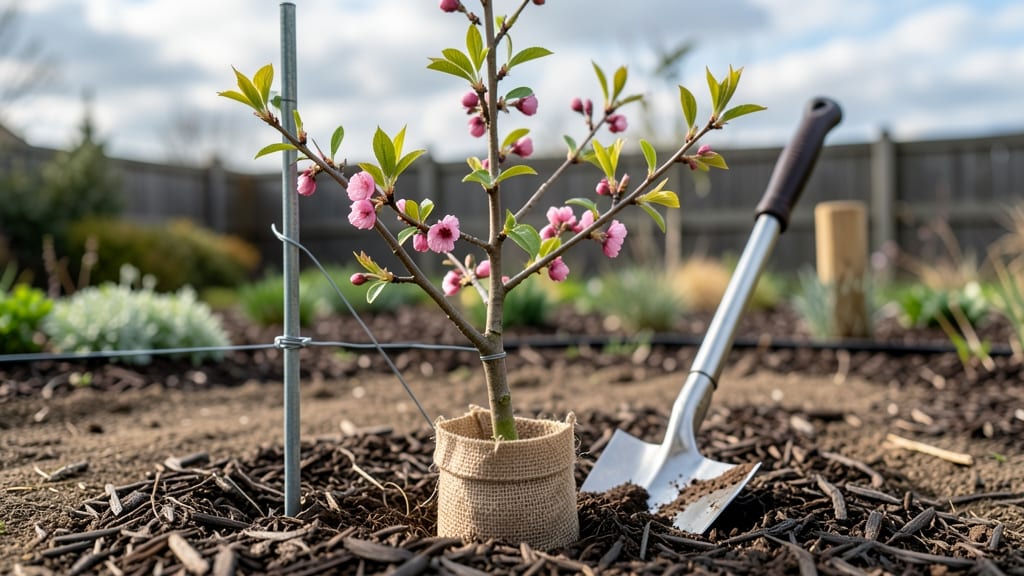
My tree stake wire setup saved my struggling young oak from bending over like a drunkard after last summer’s storms. 🌳 The right wire and technique make all the difference—no more snapped stakes or girdling scars that strangle your tree as it grows.
You’ll need 3/16-inch galvanized wire (thick enough to hold but flexible enough to bend), soft tree ties or wide fabric strips, and sturdy wooden stakes. The key is attaching the wire diagonally—never straight up and down—to let the trunk sway naturally while preventing wind damage.
When it’s time to remove stakes (usually after 2-3 years), cut the wire first, then gently pull the stake. The goal is to train the tree, not create a crutch. I’ve seen too many trees grow in a spiral because of improper staking—don’t let that be you.
Works for any young tree, from fruit trees to shade trees. Here’s how to do it without causing long-term harm.
📚 In This Guide
- What you need
- Instructions
- Tips and common mistakes
- Wrapping up and next steps
What you need
- ● Tree stake wire: 16-gauge galvanized steel wire (100–200 ft roll, depending on tree size). Pro tip: 💡 Galvanized wire resists rust, lasting 5+ years!
- ● Tree stakes: 2–4 wooden or plastic stakes (1.5–2 inches in diameter, 3–4 feet tall).
- ● Measuring tape (10–25 ft) for precise wire spacing.
- ● Wire cutters (heavy-duty, for clean cuts).
- ● Mallet or hammer (to drive stakes into the ground).
- ● Gloves (gardening or work gloves for safety).
- ● Soil or mulch (to stabilize stakes and protect young roots).
- ● Tree tie straps (for adjustable support if wire isn’t enough).
- ● Corrosion-resistant wire (vinyl-coated for extra longevity).
- ● Post-hole digger (if soil is hard-packed).
- ● Spray paint (to mark wire tension points for future adjustments).
How to install tree stakes wire for perfectly straight trees
Here's my go-to method for securing young trees with wire stakes—no more leaning saplings or tangled messes.
🪴 Step 1: Gather the Right Supplies
You'll need 4 tree stakes (one per tree), tree stake wire (about 12 feet per tree), pruning shears, and rubber tree stake guards (to protect bark). I always use galvanized wire—it won’t rust and lasts for years. Cut the wire into 4-foot lengths (enough to wrap twice around each stake).
Check your stakes before installing. They should be at least 1/4-inch thick and 2-3 feet tall—taller than your tree’s current height. If using bamboo stakes, soak them in water for 30 minutes first to prevent splitting when you drive them in. This is the moment that matters: weak stakes mean weak support.
✂️ Step 2: Position Stakes at the Right Angle
Drive the first stake 6-12 inches away from the tree trunk, angled 30 degrees away from the trunk’s lean. The top of the stake should be 2-3 inches taller than the tree’s highest branch. I tap the stake in with a mallet until 1/3 of its length is buried—this keeps it stable without wobbling.
For multiple stakes, space them evenly around the tree (usually 2-4 stakes per tree). If your tree leans heavily, add an extra stake on the downhill side for extra support. Here’s the thing—if the stake is too close, it’ll strangle the trunk as it grows. Too far, and the wire won’t hold the tree straight.
🌱 Step 3: Attach the Wire Without Damaging the Tree
Wrap the wire once around the tree trunk at 1/3 of the tree’s height (about 12-18 inches up). Use the figure-eight method: loop the wire around the stake, then cross it over the tree trunk, and loop back to the stake. This creates a gentle, adjustable hold that won’t dig into the bark.
Tighten the wire just enough so the tree stands straight—you should be able to fit one finger between the wire and the trunk. I always double-check by gently pushing the tree; if it bends back, the wire’s too loose. If it doesn’t move, it’s too tight. Real talk: Never leave wire on for more than 6 months—it can girdle the tree as it grows.
🌿 Step 4: Secure the Wire and Protect the Trunk
Wrap the wire one more time around the stake (now you’ve wrapped twice total) and twist the ends together to lock it in place. Use pliers to make a tight twist, but don’t cut the wire—leave 2-3 inches of slack in case the tree grows faster than expected.
Slide rubber tree stake guards over the wire where it touches the trunk. These little sleeves prevent wire burn (a common mistake that scars bark). If you don’t have guards, wrap the wire with soft cloth or foam pipe insulation as a backup. Check the wire every 2-3 months—if it’s digging in, loosen it immediately.
⏰ Step 5: Monitor and Adjust as the Tree Grows
After 4-6 weeks, check the wire and stakes. If the tree has grown taller than the stakes, add a second set higher up (but never above 1/3 of the tree’s height). I like to mark the wire with bright tape at the initial height—this helps me spot growth and adjust before it’s too late.
Remove the wire as soon as the tree can stand on its own—usually by late summer or early fall of the first year. If you leave it too long, the tree may grow crooked around the wire. Here’s a pro tip: Water the base of the stake occasionally to keep the soil packed around it, which prevents the stake from popping out during wind.
Tips & tricks for perfect tree stake installation
Here's what I learned after years of keeping saplings perfectly straight—these tricks will save you from common mistakes.
Stake Placement Precision: When positioning your 2-3 foot stakes, imagine a triangle with the tree at the center. The 6-12 inch distance from the trunk should be measured from the tree's lean direction—not straight out. I mark the spot with a small stake first before driving in the support. This prevents the wire from pulling at an angle that could twist the trunk over time.
Wire Tension Test: The one-finger rule is your friend in Step 3—press your finger between the wire and trunk after tightening. If it feels snug but not constricting, you're golden. I've ruined saplings by making this too tight, thinking "more support" meant "tighter grip." Remember, the wire should guide, not strangle. Check tension every 2-3 months as the tree grows.
Bamboo Stake Prep: That 30-minute soak for bamboo stakes isn't just about preventing splits—it's about giving them time to absorb moisture and become slightly pliable. I've seen stakes crack when driven in dry, which defeats the purpose. Soak them in water while you prep other supplies. Pro tip: Use warm water to speed up the process slightly without over-soaking.
Growth Monitoring System: The bright tape trick in Step 5 is a game-changer for tracking growth. I use red tape because it stands out against green foliage. Place it at the initial wire height, then add new tape every 4-6 weeks. When the tree outgrows the stakes, you'll see it clearly—this helps you know exactly when to add higher supports or remove the wire entirely.
Pro Tips for Tree Stake Wire
- Here's what I learned after years of keeping saplings perfectly straight—these tricks will save you from common mistakes.
- Stake Placement Precision: When positioning your 2-3 foot stakes, imagine a triangle with the tree at the center.
- Wire Tension Test: The one-finger rule is your friend in Step 3—press your finger between the wire and trunk after tightening.
Frequently asked questions
Got questions about using tree stake wire to support your plants? You’re not alone—here are some of the most common concerns and quick answers to get you growing with confidence!
When is the best time to install tree stake wire?
Install tree stake wire as soon as you notice leaning or weak growth—ideally during early spring or late fall when trees are dormant. Avoid staking in extreme heat or cold, as stress can harm young roots. For newly planted trees, stake within 2–4 weeks to prevent wind damage while roots establish.
How tight should the wire be?
The wire should be snug but not restrictive. Think of it like a gentle hug—firm enough to correct lean but loose enough to allow natural movement. Test by trying to slide your hand between the trunk and wire; if it fits with slight resistance, you’re good! Over-tightening can girdle the trunk and stunt growth.
Can I reuse tree stake wire from last year?
Reusing wire is fine if it’s still intact and rust-free. However, check for fraying or sharp edges that could harm bark. If the wire is bent or weakened, replace it—safety and effectiveness matter! Pro tip: Coat reused wire with a thin layer of tree-friendly tape to prevent abrasion.
What if my tree keeps leaning even with stakes?
If your tree persists in leaning, it may need additional support or a different staking method. Try:
- Adding a second stake on the opposite side for balance.
- Using a tree brace (like a flexible strap) instead of rigid stakes.
- Checking for root issues (e.g., poor soil drainage or pests).
Are there alternatives to tree stake wire?
Yes! If wire isn’t your style, consider:
- Soft tree ties (fabric or rubber): Gentle and adjustable.
- Bamboo or wooden stakes: Eco-friendly but require more frequent checking.
- Tree guards (plastic or metal): Protects trunks while allowing flexibility.
Wrapping up and next steps
Using tree stake wire is a game-changer for guiding young trees toward strong, upright growth—without the hassle of bulky stakes or damage-prone ties. Whether you’re a seasoned gardener or a newbie with a green thumb, this simple yet effective method ensures your trees thrive with minimal effort. 🌱
Ready to give your trees the support they deserve? Grab your supplies, follow the steps, and watch your garden flourish! For extra tips, check out our FAQ section or experiment with different wire materials to find what works best for your plants.