
Pruning
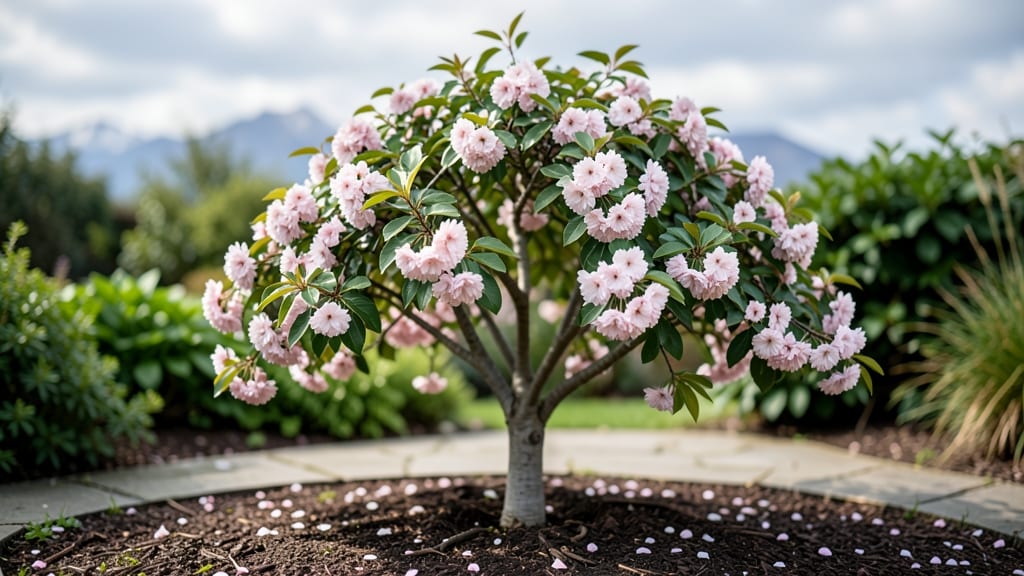
The Snow Fountain cherry tree size you end up with depends entirely on the variety you choose and where you plant it.
Picture this: a 15-foot tree bursting with pink blossoms in your backyard, its branches cascading like a springtime waterfall. But if you’re working with a small yard, that same tree could become a space-crunch nightmare. The difference? Variety and zone.
From compact 8-foot dwarf versions to towering 25-foot standards, the Snow Fountain cherry tree’s mature height varies wildly. In Zone 6a, where it thrives, proper spacing and pruning can mean the difference between a showstopper and a headache.
Below, I break down the exact height ranges by variety, how climate affects growth, and 5 pro tips to keep your tree in check—whether you’ve got a postage-stamp patio or a half-acre lot.


Snow Fountain cherry tree mature height by variety: compact vs. standard sizes
Choosing the right Snow Fountain cherry tree variety can make all the difference in your garden's layout. The classic 'Snow Fountain' cultivar typically reaches 15-25 feet tall, but newer compact varieties like 'Royal Burgundy Snow Fountain' stay between 8-12 feet.
Understanding these differences helps you avoid overcrowding while maximizing springtime blooms.
For small yards, the compact varieties are game-changers—they fit neatly in suburban landscapes without requiring pruning to control size. Meanwhile, standard varieties suit larger properties where they can showcase their full spring floral display and summer foliage.
Let's break down the key differences so you can plan your planting strategy with confidence.
Mature height isn't the only consideration—canopy spread matters too. Most Snow Fountain varieties develop a spread equal to their height, meaning a 20-foot tree will occupy a 20-foot diameter space. This circular growth habit makes them ideal for centerpiece planting in lawns or as focal points in garden beds.
| Variety | Mature Height (ft) | Canopy Spread (ft) | Growth Rate | Best For |
|---|---|---|---|---|
| 'Snow Fountain' | 15-25 | 15-25 | Moderate | Large gardens, lawns |
| 'Royal Burgundy Snow Fountain' | 8-12 | 8-12 | Slow | Small yards, containers |
| 'Kwanzan Snow Fountain' | 12-18 | 12-18 | Moderate | Medium gardens, urban spaces |
| 'Snowgoose' | 10-15 | 10-15 | Slow | Small yards, patios |
| 'Stella Compacta' | 6-10 | 6-10 | Very slow | Containers, balconies |
If you're working with a small urban garden, the 'Stella Compacta' variety is my top recommendation. It stays under 10 feet tall and thrives in containers, making it perfect for balconies or courtyard planting.
For a classic ornamental look without sacrificing space, the 'Snowgoose' variety offers a balanced 10-15 feet height that fits well in suburban backyards.
When planning your planting distance, always account for the tree's mature spread. A general rule is to plant 5-10 feet away from structures like fences or houses, depending on the variety.
For example, the 'Snow Fountain' standard needs 15 feet of clearance on all sides, while the 'Royal Burgundy' compact version only requires 8-10 feet.
One common mistake I see is underestimating how quickly these trees grow in their first 5 years. Even compact varieties can add 3-5 feet per year during their youthful growth spurt.
To prevent future pruning headaches, measure your space twice before planting—especially if you're working with power lines or sidewalks nearby.
For container growing, choose dwarf varieties like 'Stella Compacta' and use a 24-inch pot with drainage holes. Remember that even compact trees need full sun exposure and well-draining soil to reach their potential. In containers, you'll need to repot every 2-3 years as the roots outgrow their space.
Don't overlook the seasonal interest when selecting a variety. While all Snow Fountain cherries offer stunning spring blooms, some like 'Kwanzan Snow Fountain' provide additional fall color with their burgundy foliage. This extra
How climate zones affect Snow Fountain cherry tree growth and size
The Snow Fountain cherry tree thrives in diverse climates, but its growth rate and mature size shift dramatically across USDA hardiness zones 5-9. In colder zones (5-6), these trees grow slower but develop stronger root systems, while warmer zones (8-9) accelerate growth but may reduce winter hardiness.
Understanding these patterns helps you choose the right location and care routine for your tree’s long-term health.
Your climate zone directly influences how tall your Snow Fountain cherry will grow. For example, in Zone 5, mature trees typically reach 15-18 feet, while in Zone 9, they can exceed 20 feet without proper pruning.
Even the bloom intensity varies—cooler climates produce more abundant spring flowers, while warmer zones may experience fewer but larger blossoms.
In Zone 5, your Snow Fountain cherry will need extra winter protection, like wrapping the trunk with burlap or using tree guards. These trees grow slower here, so patience pays off—wait until late spring to prune, as early cuts can expose tender wood to late frosts.
In contrast, Zone 9 gardeners should focus on summer care, like regular pruning to manage rapid growth and prevent overcrowding.
Your tree’s spread also varies by zone. In cooler climates (5-6), expect a 12-15 foot canopy, while warmer zones (8-9) can see spreads up to 18 feet. To control size, plant in full sun and space at least 10 feet from structures or other plants.
In Zone 7 or warmer, consider staking young trees to prevent wind damage during their faster growth phases.
Seasonal growth patterns shift too. Trees in Zones 5-6 burst into bloom 2-3 weeks earlier than those in Zone 9, thanks to cooler winters. To maximize blooms, fertilize in early spring (March-April) with a balanced 10-10-10 formula.
In warmer zones, apply a slow-release fertilizer in late winter to avoid burning roots during heatwaves.
Regardless of your zone, consistent mulching (3-4 inches of organic mulch) keeps roots cool in summer and insulated in winter. For Zone 8-9, add shade cloth during peak summer to protect leaves from scorching.
With the right zone-specific care, your Snow Fountain cherry will thrive for decades, becoming the centerpiece of your garden’s springtime spectacle. 🌸