
Trees
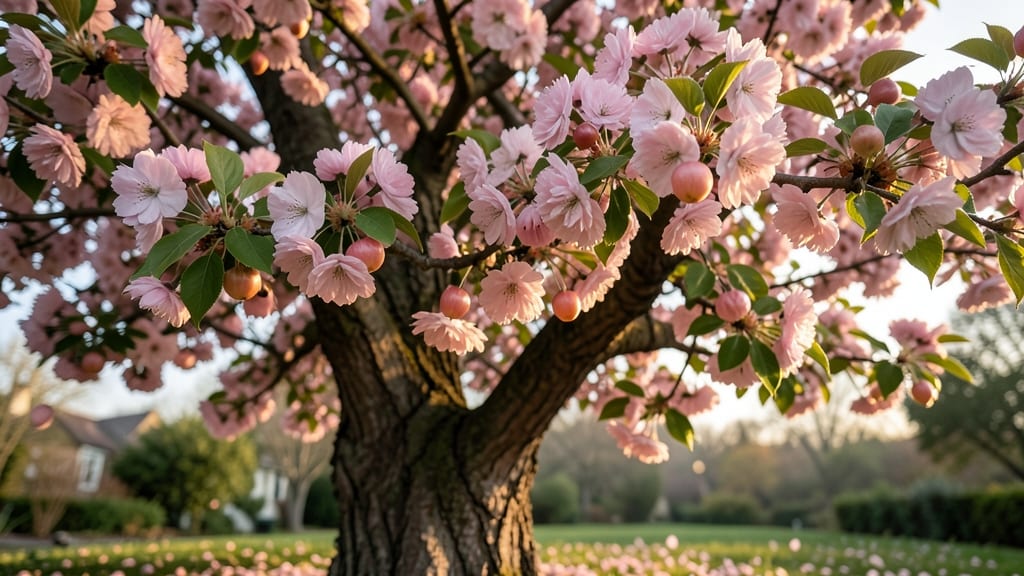
Transform your garden into a pollinator paradise with these 10 stunning pink-flowering trees. From early spring blooms to late-season color, these varieties attract bees, butterflies, and hummingbirds while adding year-round visual interest.
Japanese Cherry Blossom Trees
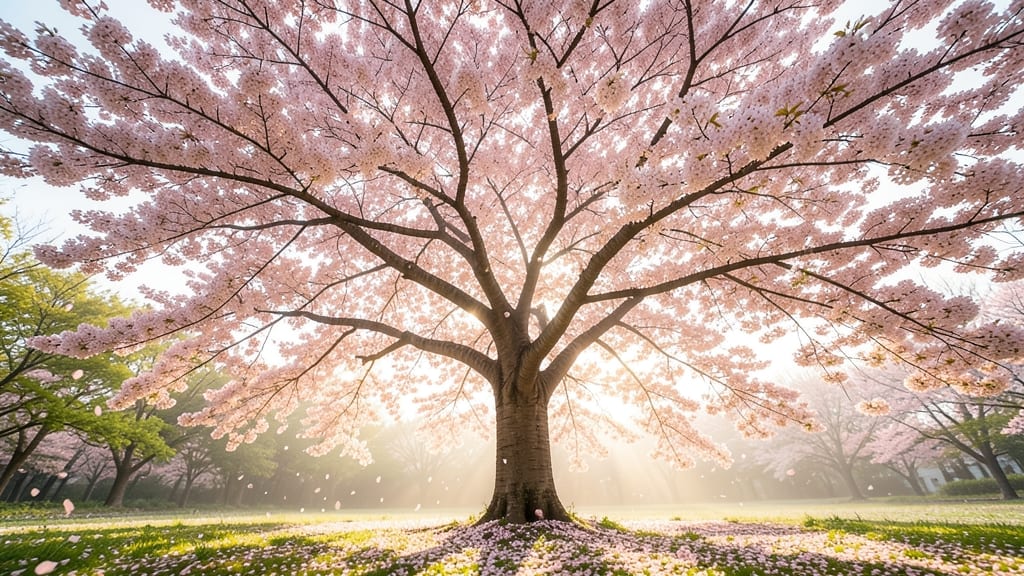
Imagine waking up to a soft pink canopy drifting over your yard—this is the magic of Japanese cherry blossom trees (Prunus serrulata). Their ethereal blooms create a breathtaking focal point that transforms urban sidewalks and traditional gardens alike into dreamy spring landscapes.
These trees thrive in full sun to partial shade and adapt well to both urban pollution and rural settings, making them ideal for city dwellers and countryside gardeners. Plant them near patios or walkways to enjoy their fragrant blooms up close, which also attract early-season bees and butterflies before other flowers emerge. Prune lightly after flowering to maintain their graceful shape.
Perfect for those who want low-maintenance beauty with high impact, these trees offer a fleeting but unforgettable spring spectacle. 🌷
Bradford Pear Trees
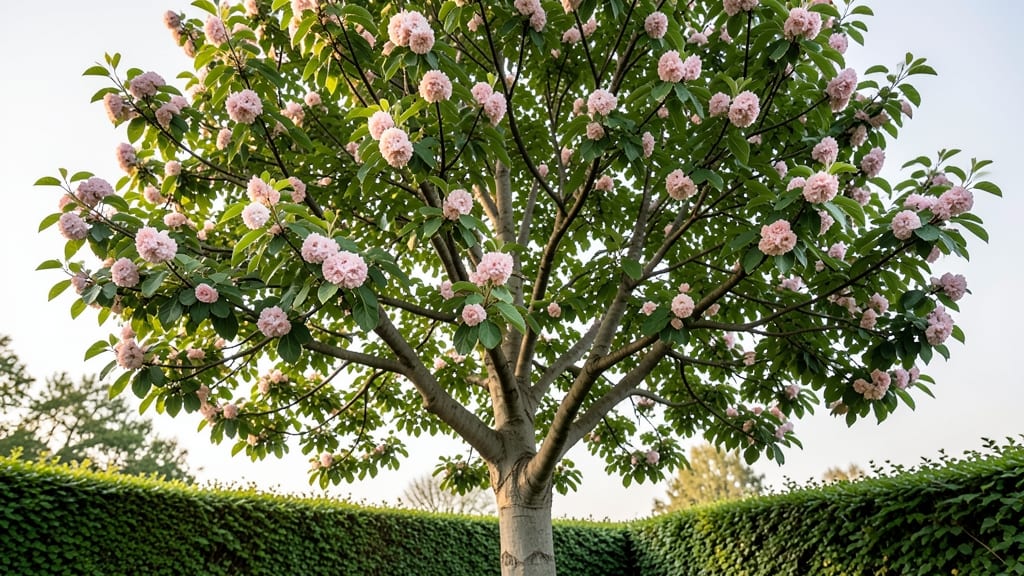
Looking for a fast-growing tree that delivers pink-white blooms in early spring while doubling as a privacy screen? The Bradford pear is your answer—it matures in just 10-15 years, making it ideal for small yards or tight spaces.
These trees burst into fragrant clusters of flowers before leaves emerge, providing a critical food source for bees when other plants are still dormant. Plant them in full sun with well-drained soil, and they’ll reward you with 3-4 weeks of showy blooms followed by small pears that birds love. Their compact size (25-40 feet tall) and dense foliage also make them excellent for urban gardens or as focal points in suburban landscapes.
Perfect for beginners or busy gardeners, Bradford pears require minimal care once established and thrive in a variety of climates. Just be sure to plant them away from sidewalks—their roots can be aggressive. 🌿
Crape Myrtle Trees
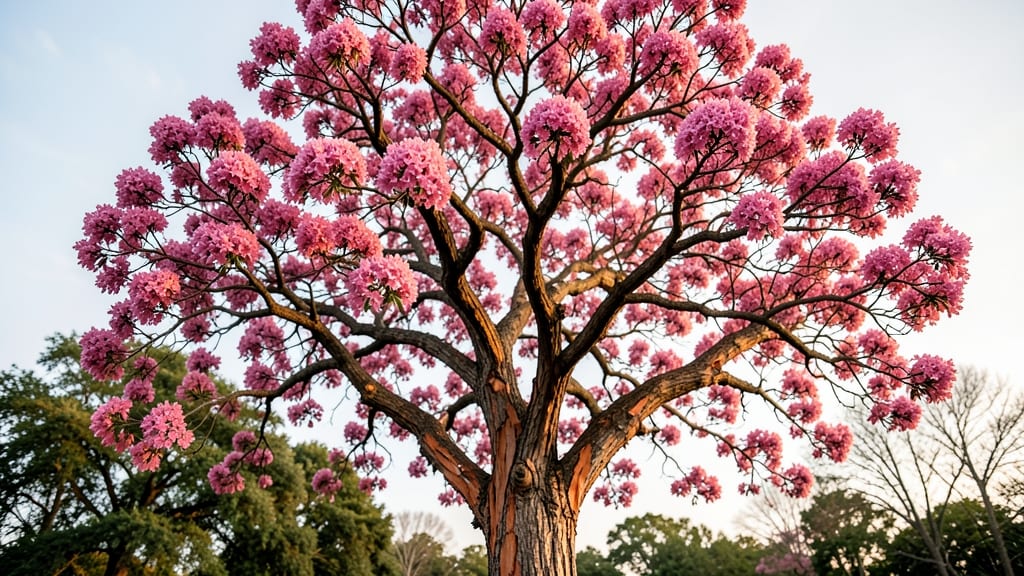
If you crave year-round interest from a single tree, crape myrtle delivers with a double punch: bold summer blooms and striking winter bark. While spring bloomers like cherry blossoms steal the show briefly, crape myrtles extend their pink spectacle from June through September—often longer with proper care.
These drought-tolerant trees thrive in full sun and well-drained soil, making them ideal for hot climates or low-maintenance gardens. Their unique bark—peeling in papery layers—becomes a winter focal point when flowers fade. Choose from varieties like 'Muskogee' for deep pink blooms or 'Tonto' for compact growth, perfect for small spaces. Plant in late winter to give roots time to establish before summer heat arrives.
Perfect for urban gardeners or those seeking pollinator-friendly trees, crape myrtles attract bees and butterflies while requiring minimal water once established. Their adaptability makes them a standout for both novice and experienced gardeners alike. 🌻
Pink Dogwood Trees
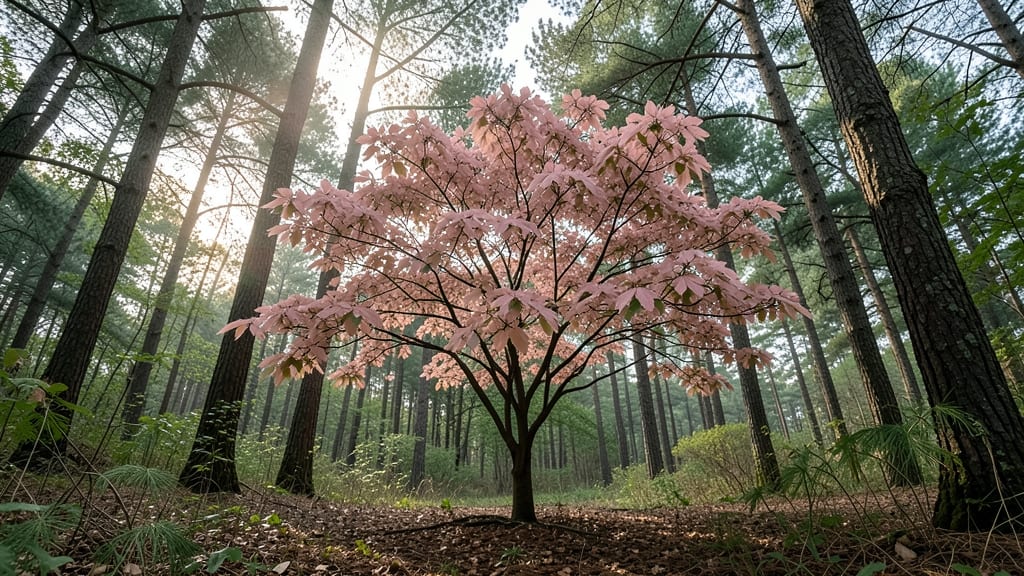
If you're dreaming of a woodland garden that feels like a secret spring retreat, pink dogwood trees are your perfect partner. Unlike their flashier cousins, these trees thrive in dappled shade where sunlight barely touches the forest floor, making them ideal for understory planting or shaded backyard corners.
Their signature pink bracts (modified leaves) emerge before the true white flowers, creating a layered bloom that lasts for weeks and draws in hummingbirds with its nectar. For best results, plant in moist, well-draining soil with a touch of organic matter—think leaf mold or compost. While they tolerate shade, they’ll reward you with the most vibrant blooms in partial sun (3-6 hours daily).
Perfect for gardeners who love low-maintenance beauty with high pollinator impact, these trees also handle urban pollution better than many flowering species. 🌟
Hibiscus Trees
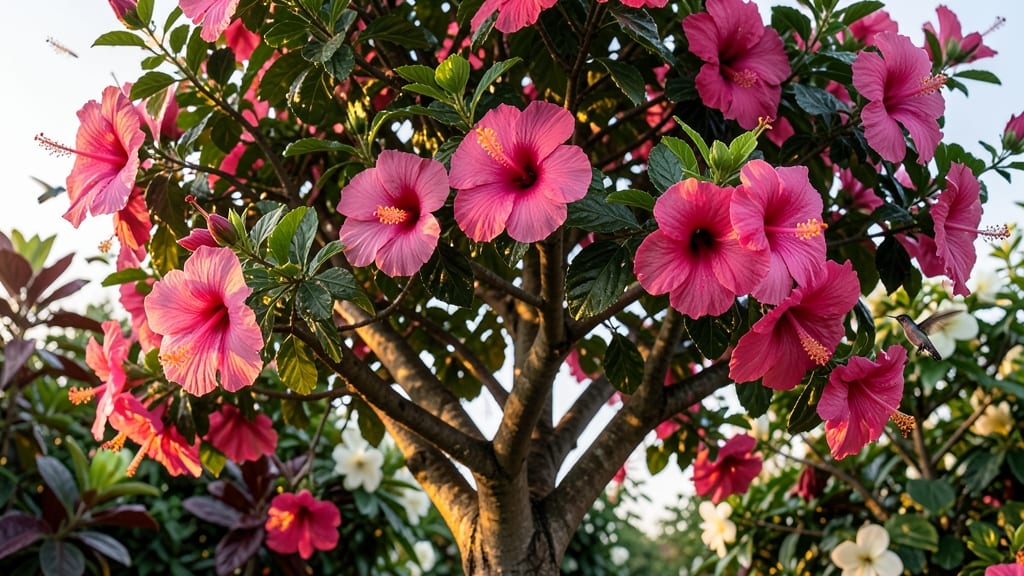
Want a dramatic centerpiece that turns heads and feeds hummingbirds all summer? Hibiscus trees deliver oversized pink blooms that rival tropical paradises—even in your backyard. These aren’t your average shrubs; their 5-8 inch flowers create a bold statement that outshines most garden plants.
Thriving in USDA zones 8-11, hibiscus trees need full sun (6+ hours daily) and well-draining soil to prevent root rot. Feed them monthly with a balanced fertilizer during bloom season (spring-fall), and deadhead spent flowers to encourage more blooms. Their fast growth (3-5 feet per year) makes them perfect for filling empty corners or creating privacy screens in warm climates.
Best for gardeners in southern states or coastal regions, hibiscus trees also bring joy to container gardeners with dwarf varieties. Plant near patios or decks to enjoy their fragrant blooms up close—and watch hummingbirds and butterflies descend like a living rainbow. 🌻
Pink Magnolia Trees
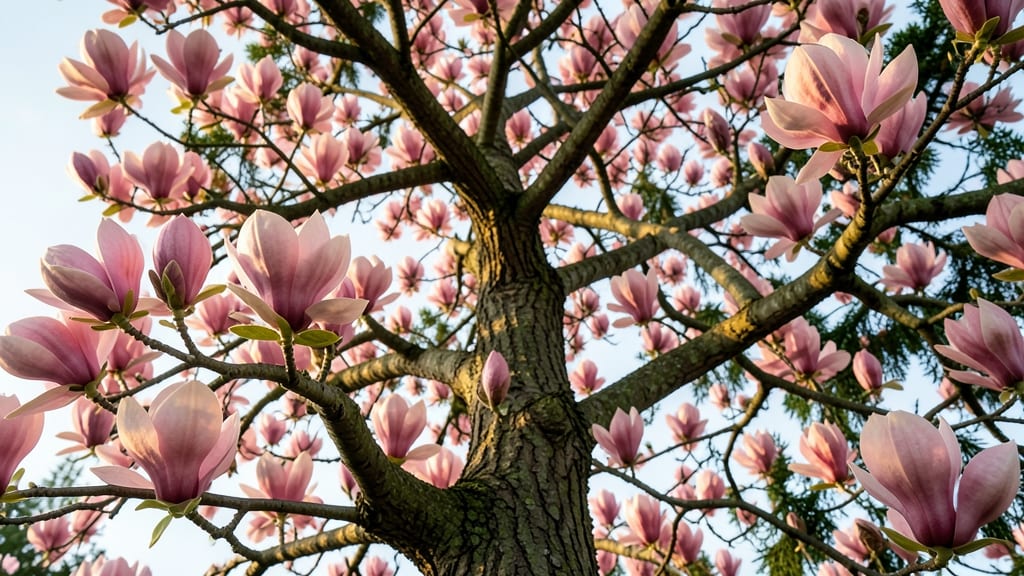
If you love the idea of a fragrant, evergreen tree that blooms before its leaves appear, pink magnolias are your perfect match. These stunning trees offer a rare combination of delicate pink flowers and glossy evergreen foliage, making them a standout feature in any garden.
Their blooms emerge in early spring, often before the leaves unfurl, creating a breathtaking display that lasts for weeks. Southern gardeners will especially appreciate their heat tolerance and ability to thrive in well-drained soil, while pollinators adore their sweet fragrance. Varieties like 'Ann' magnolia or 'Jane' magnolia are compact enough for smaller spaces yet still make a bold statement.
Perfect for those who want year-round interest, these trees provide both beauty and practicality—ideal for pollinator-friendly landscapes where you can enjoy their flowers while supporting local wildlife. 🌿
Pink Butterfly Bush Trees
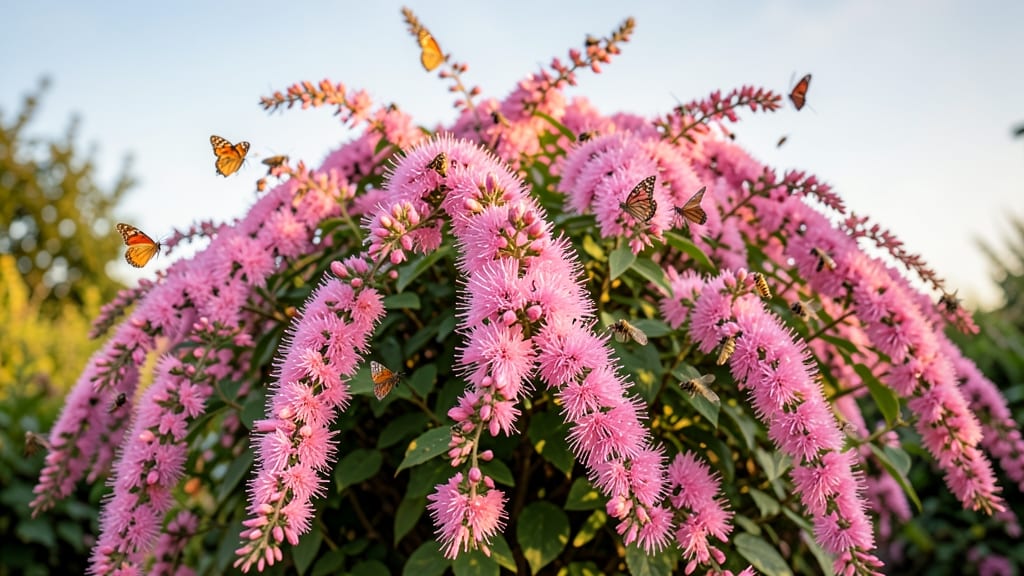
Want a garden buzzing with butterflies and bees all season long? The pink butterfly bush (Buddleja davidii) delivers non-stop pink blooms that keep pollinators visiting from early summer through fall. Unlike spring-flowering trees, this shrub-like tree reblooms repeatedly, giving you months of color and wildlife activity.
Plant it in full sun with well-drained soil, and expect fragrant, spiky flower clusters that attract monarchs, swallowtails, and honeybees. Prune back by one-third in late winter to encourage bushier growth and more blooms. This drought-tolerant plant thrives in cottage gardens, meadows, or even containers—making it perfect for small spaces or urban yards.
Perfect for wildlife enthusiasts and pollinator gardeners, the pink butterfly bush turns any landscape into a living butterfly sanctuary. 🌻
Fringe Tree Varieties
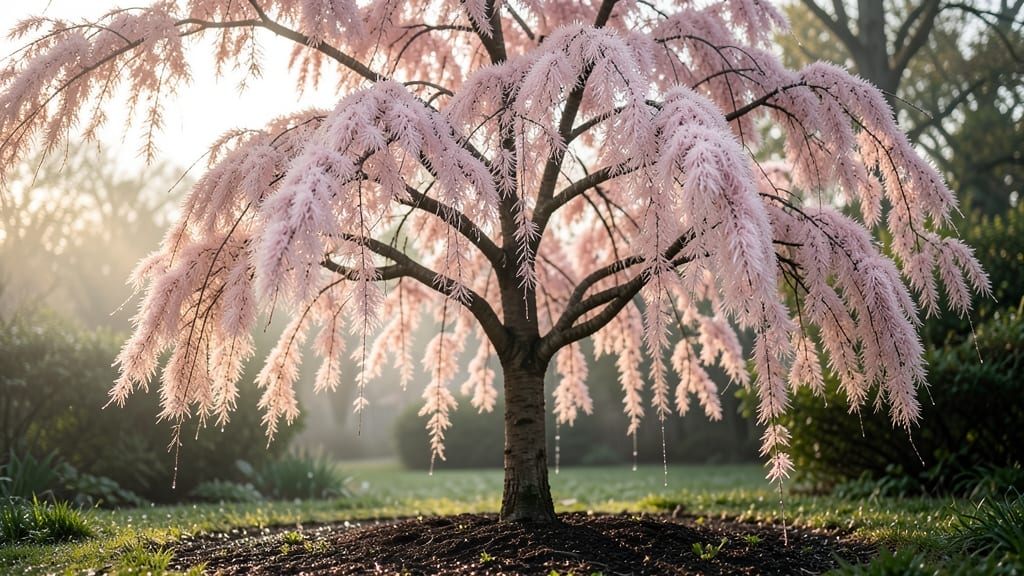
Want a tree that feels like a dreamy pink cloud in your garden? Fringe trees (Chionanthus) deliver ethereal, fringe-like blooms that flutter in late spring, creating a soft, romantic backdrop for your landscape.
These underrated beauties thrive in moist, even wet soil—making them perfect for rain gardens or near ponds—while their early blooms feed bees and butterflies before other trees leaf out. Varieties like 'Big Red' and 'Gray Shadow' offer contrasting foliage, and their airy branches create natural movement in the breeze.
Ideal for gardeners seeking low-maintenance pollinator powerhouses, fringe trees add vertical interest without the fuss of pruning. Their delicate charm makes them a standout for cottage gardens and woodland edges. ✨
Pink Flowering Quince Trees
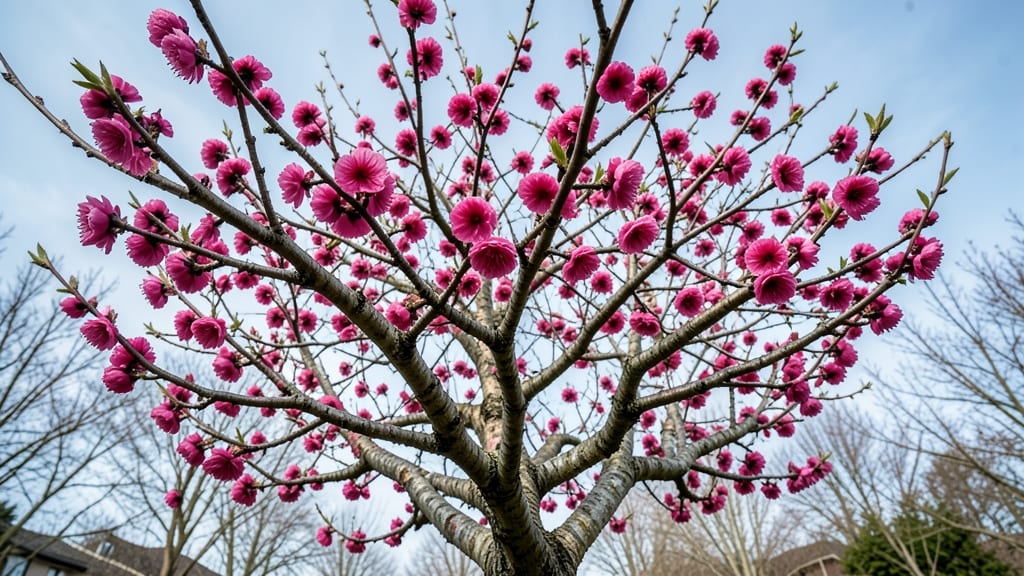
If you love the idea of a garden bursting with color before most plants even think about waking up, pink flowering quince is your early-season secret weapon. These compact trees burst into vibrant pink blooms in late winter or early spring, often before their leaves appear, creating a stunning visual display that brightens up even the coldest months.
Perfect for small spaces, quince trees thrive in containers and can be pruned into hedges or espaliered against walls. Their fragrant blossoms are a magnet for bees, providing crucial early-season nectar when other flowers are still dormant. Unlike many spring bloomers, quince is also drought-tolerant once established, making it a low-maintenance choice for busy gardeners.
Urban gardeners and cottage-style enthusiasts will love quince's versatility—its compact size (typically 8-12 feet tall) makes it ideal for patios, borders, or even as a striking focal point in a small garden. The bonus? Their fruit, while not edible for humans, adds ornamental interest in autumn. 🌷
Pink Flowering Crabapple Trees

Looking for a tree that delivers two seasons of beauty in one package? Pink flowering crabapple trees are the ultimate multitaskers, offering stunning spring blooms followed by decorative fruit that feeds birds through fall. Unlike other pink bloomers, they provide year-round interest with their colorful foliage and persistent ornamental apples.
These trees thrive in urban landscapes where space is limited, adapting well to containers or small yards. Their compact size (typically 15-25 feet tall) makes them perfect for patios or as focal points in pollinator gardens. Plant them in full sun for maximum blooms, and choose disease-resistant varieties like 'Dolgo' or 'Adirondack' for low-maintenance beauty.
Bird lovers and city gardeners will appreciate how these trees support wildlife while adding curb appeal. The small apples may not be edible for humans, but they create a buffet for songbirds that keeps your garden alive with activity long after the flowers fade. 🌻