
How To
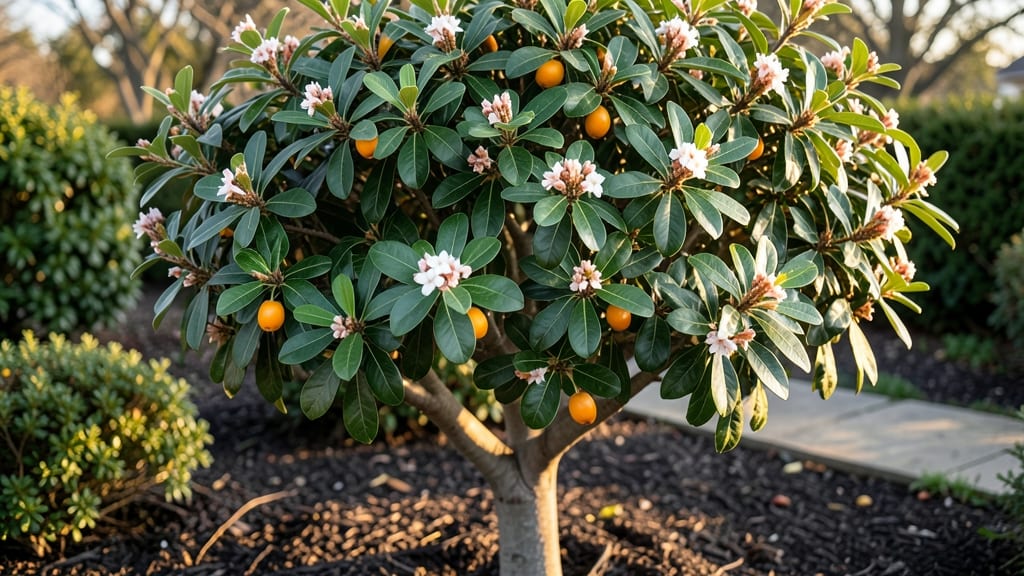
A loquat tree grows how tall does a loquat tree grow between 10 and 25 feet at maturity, depending on variety and growing conditions—so yes, it can outgrow your patio if you don’t plan ahead.
If you're dreaming of a loquat tree in your backyard but worried about whether it’ll tower over your house or stay neatly contained, you’re in the right place—height matters more than you think for fruit production and space planning.
In warmer climates like USDA zones 8–11, these evergreen trees can reach their full 20-foot potential, while in cooler zones like 6a–7, they often stay shorter or grow more slowly. Pruning and dwarf varieties can also keep them manageable for smaller gardens.
Below, I’ll break down how to control its height, the best compact varieties for containers, and why knowing its mature size is the key to avoiding a fruitless (or overgrown) tree.


Loquat tree height by climate zone: mature size expectations
If you're considering adding a loquat tree (Eriobotrya japonica) to your landscape, understanding its mature height is crucial for planning. These evergreen trees thrive in USDA zones 8–11, but their growth patterns vary dramatically depending on your climate.
In warmer zones like 10–11, loquats can reach 20–30 feet tall, while in cooler zone 8, they often stay between 10–15 feet due to slower growth. Knowing these expectations helps you choose the right variety and space for your garden.
Loquat trees grow fastest in tropical climates where they experience minimal winter stress. In zone 11, for example, they can grow 3–5 feet per year under ideal conditions. Meanwhile, in temperate zones (8–9), growth slows during winter, resulting in a more compact, semi-dwarf appearance.
Even with slower growth, proper care can encourage healthier, more manageable heights—especially if you're working with limited space.
For gardeners in small yards or urban settings, dwarf varieties like 'Big Jim' or 'Champagne' are excellent choices. These stay between 8–12 feet tall at maturity, making them perfect for container growing or tight spaces.
However, even standard varieties can be pruned to control height, which we’ll explore further in the next section. The key is balancing your climate zone with your space constraints to ensure both beauty and productivity.
🌱
In zone 8, where winters can dip below 10°F, loquat trees often struggle to exceed 15 feet unless protected. Young trees benefit from winter mulch and windbreaks to prevent cold damage, which can stunt growth.
Conversely, in zone 11, these trees grow almost like vines in ideal conditions, requiring regular pruning to maintain a manageable shape. If you live in a coastal or urban heat island, expect even faster growth due to warmer microclimates.
One common misconception is that loquat trees always need full sun to reach their maximum height. While 6–8 hours of sunlight is ideal, trees in partial shade (e.g., zone 9 coastal areas) may grow slightly slower but still produce fruit. The trade-off?
Shadier conditions can lead to longer, leggier growth, so supplement with pruning to keep the tree compact. For example, a loquat in Los Angeles (zone 10) might grow 2 feet taller per year in full sun versus 1.5 feet in partial shade.
For container growing, even standard loquat trees can be kept under 10 feet tall with annual pruning and root restriction. Use a large pot (20+ gallons) with drainage holes and repot every 2–3 years to refresh the soil.
In containers, growth rates slow naturally, making it easier to control height. Just ensure your pot is at least 18 inches deep to accommodate root development. This method is perfect for balconies, patios, or small urban gardens where space is limited.
Another factor affecting height is soil quality. Loquat trees prefer well-draining, slightly acidic soil (pH 5.5–6.5). Poor soil can lead to stunted growth or weak branches, making the tree more susceptible to wind damage. Amend heavy clay soils
Factors that influence loquat tree height growth (and how to control it)
Your loquat tree's height isn't just about genetics—it's a mix of care choices and environmental factors. Without control, a standard variety can reach 20-25 feet tall, dwarfing even medium-sized backyards.
But with the right pruning techniques and growing conditions, you can keep it compact enough for urban gardens or container growing.
The soil quality plays a surprising role too. Loquat trees thrive in well-draining, slightly acidic soil (pH 5.5-6.5). Poor soil forces the tree to work harder, often resulting in vertical growth rather than bushy, productive branches.
I've seen trees in nutrient-rich soil stay 30% shorter than their counterparts in depleted soil.
Here's how you can manage your loquat tree's height through practical strategies:
One common mistake I see is over-pruning in summer. This stresses the tree and can lead to sprouting vigorous vertical shoots to compensate. Always prune during dormant season (late winter) when the tree can heal quickly.
For container-grown trees, I recommend annual root pruning—simply trim 10% of roots each year to encourage bushier growth.
Your loquat tree's height is completely manageable with these techniques. I've kept container-grown loquats under 6 feet tall for over 5 years using these methods, while still enjoying plenty of fruit.
The key is consistency—regular pruning, proper sunlight, and smart fertilizing will keep your tree at your desired height while maximizing fruit production.
Remember, even standard varieties can be kept under 12 feet with diligent care. Start with the right dwarf variety if space is limited, and don't underestimate the power of proper soil preparation—healthy roots mean controlled growth. 🌱