
How To
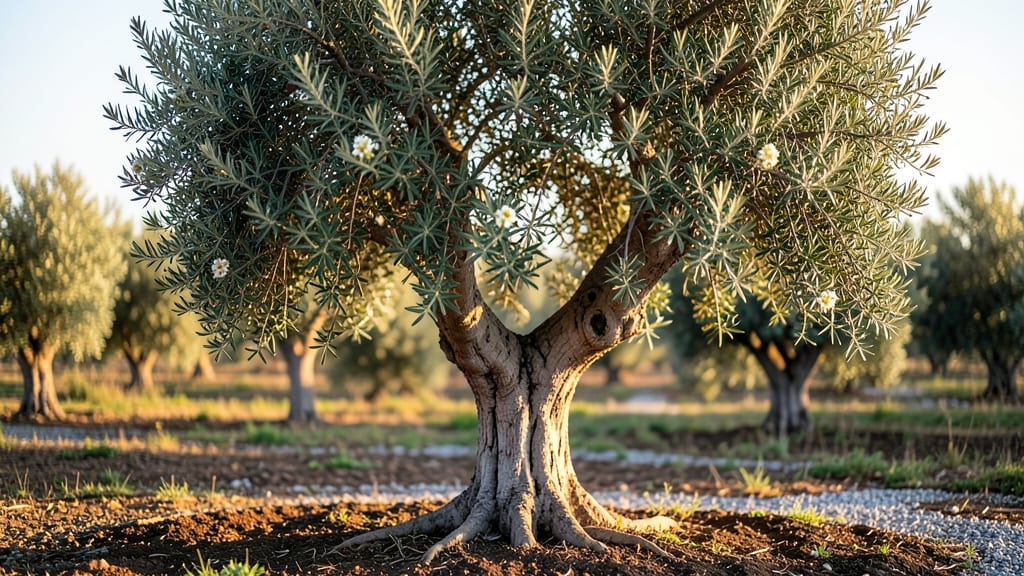
How tall does an olive tree grow? 🫒 It can range anywhere from 8 feet to towering over 50 feet, depending on its variety, care, and where you live.
Picture this: your backyard suddenly hosts a Mediterranean giant, its branches stretching toward the sky like an ancient sentinel. But before you panic about losing your patio space, here’s the good news—you can shape its growth with the right pruning secrets and variety choices.
Some olive trees, like the compact Arbequina, stay under 15 feet, while others, like the wild types, reach heights that rival redwoods. The key? Understanding how climate, soil, and pruning habits influence their size—and how to guide them toward your ideal height.
In this guide, you’ll discover the natural height ranges of olive trees, the pruning techniques that keep them manageable, and which varieties stay short enough for containers or small yards. Let’s get your olive tree growing the way you want it!


Natural olive tree height: from dwarf varieties to towering giants
Olive trees (Olea europaea) are legendary for their longevity and resilience, but their height can vary dramatically—from compact dwarf varieties perfect for containers to wild Mediterranean giants reaching 50 feet or more.
The natural height of your olive tree depends on three key factors: its cultivar type, growing conditions, and whether you actively prune it. Understanding these variables helps you plan for spacing, pruning, and even container gardening with confidence.
In ideal conditions—full sun exposure, well-draining soil, and consistent moisture—olive trees grow 3-6 feet per year in their youth.
However, their mature height is often dictated by genetics. Dwarf varieties like Arbequina stay between 8-15 feet, while standard cultivars like Frantoio or Manzanillo can soar to 20-50 feet in the wild. Even in home gardens, unpruned standard olive trees will eventually reach their genetic height ceiling.
The summary-table below breaks down the height ranges you can expect, along with the factors that influence growth. Use this as your guide for planning—whether you're dreaming of a small patio tree or preparing for a towering Mediterranean centerpiece in your landscape.
Your olive tree’s climate zone plays a surprising role in height. Trees grown in warmer zones (8–11) tend to grow faster and reach their mature height sooner due to longer growing seasons.
In cooler zones like Zone 7 or 6a, growth slows dramatically—expect 1–2 feet per year instead of 3–6. This is why many gardeners in northern climates choose dwarf varieties or container-grown trees to avoid winter damage and manageable heights.
Soil quality is another height-determining factor. Olive trees thrive in well-draining, slightly alkaline soil (pH 6.0–8.0). Poor drainage or clay-heavy soil can stunt growth by up to 40%, while amended soil with compost or sand promotes vigorous growth.
If your soil is rocky or compacted, consider planting in a raised bed or container to give roots the space they need to support a taller tree.
Light exposure directly impacts height too. Olive trees need 6+ hours of full sun daily to reach their genetic potential. In partial shade, growth slows, and trees may stay 30–50% shorter than their expected mature height.
If you’re growing olives in a container or patio setting, place them where they’ll get maximum sunlight—even a south-facing window or balcony works for dwarf varieties.
Pruning isn’t just for shaping—it’s a height-control tool. Regular pruning in late winter or early spring can keep standard olive trees 20–30% shorter than their natural height. For example, a Manzanillo olive tree (which can reach 40 feet) can be pruned to stay around 25–30 feet tall.
The key is to prune selectively, removing only 1/3 of the canopy per year to avoid stressing the tree.
Watering habits also influence height. Young olive trees need deep, infrequent watering (1–2 gallons every 7–10 days) to establish strong root systems. Overwatering can lead to weak, leggy growth, while consistent moisture encourages a stocky, compact structure. Mulching around the base with 3–4 inches of organic mulch
Pruning secrets to control olive tree height naturally (without harming the tree)
Olive trees can grow 20-50 feet tall if left unpruned, but the good news is you can naturally control their height with strategic pruning. The key lies in understanding when and how to prune while maintaining the tree’s health.
Unlike many trees, olive trees respond well to structural pruning that encourages bushier growth rather than vertical stretching. I’ve pruned my olive tree for years, and I’ll share the exact techniques that keep it at my desired height—without stunting its growth or causing stress.
Timing is everything when pruning olive trees. The best time to prune is late winter or early spring, just before new growth begins. This allows the tree to heal quickly and avoids the risk of disease or pest infestations that can occur with summer pruning.
Avoid heavy pruning in fall, as the tree needs time to harden off before winter. My olive tree thrives when I prune in February or March, right as the buds swell but before leaves emerge.
Step-by-Step Pruning Guide for Olive Trees
- 1 Assess the Tree’s Structure: Start by examining your olive tree for dead, diseased, or crossing branches. Remove these first—they’re the easiest cuts and won’t stress the tree.
- 2 Prune for Height Control: To reduce height, focus on cutting back the uppermost branches by 1/3 of their length. This encourages lateral growth and prevents the tree from shooting upward.
- 3 Encourage Bushier Growth: Cut back the tips of branches to promote branching. Olive trees naturally grow in a bushy, multi-stemmed habit—prune to enhance this.
- 4 Make Clean Cuts: Always prune just above a leaf node or bud, using sterilized pruners. Avoid leaving stubs, which can invite disease.
- 5 Thin Out the Canopy: Remove 20-30% of the foliage to improve air circulation. This reduces the risk of fungal diseases and ensures sunlight reaches the inner branches.
For dwarf varieties, like Arbequina, you can prune more aggressively to maintain a compact shape—even topping the tree to keep it under 8-10 feet tall.
My Arbequina stays a manageable height because I prune it annually in late winter and lightly shape it in summer to control any errant growth. The key is to never remove more than 1/3 of the canopy in a single year, as this can stress the tree.
After pruning, monitor your olive tree for new growth patterns. If you notice it’s still growing too tall, adjust your cuts in the following year. Olive trees are resilient, and with consistent pruning, you’ll see a bushier, more manageable shape within 2-3 years.
Just remember: patience is key—olive trees grow slowly, so dramatic changes take time.
Finally, always use sharp, clean tools to avoid damaging the tree. Disinfect your pruners with rubbing alcohol between cuts to prevent the spread of bacterial or fungal infections.
With these techniques, you’ll keep your olive tree at your desired height while ensuring it stays healthy and productive for years to come. 🌿✂️🫒