
How To
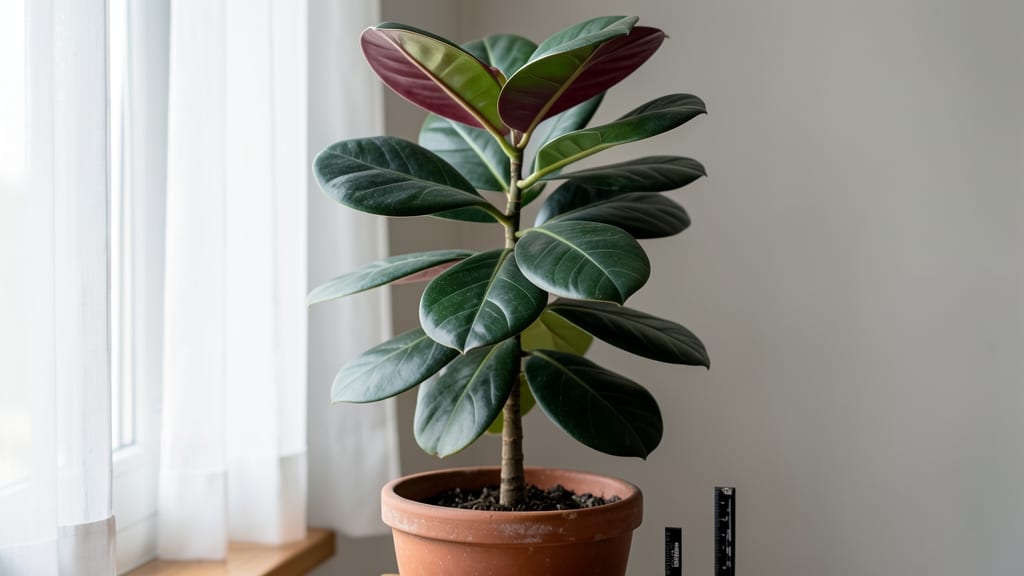
A rubber tree can grow how tall can a rubber tree grow indoors up to 10 to 30 feet with the right care—far taller than most people expect, especially in a bright, spacious room.
Your rubber plant isn’t just a houseplant—it’s a living statement piece that can reach towering heights, but only if you understand its growth limits and care secrets.
Light, pot size, and pruning habits are the key to unlocking its full potential. Too little light stunts growth, while a cramped pot slows it down entirely. I’ve seen rubber trees double in height in a year when given the right conditions—and just as quickly plateau when neglected.
In this guide, I’ll break down how tall different varieties can grow, when to prune for control, and the 5 factors that determine whether your rubber tree becomes a sky-high centerpiece or stays stubby and sad.


Indoor rubber tree height limits by variety: how big can they really get?
If you've ever admired a towering rubber tree in a greenhouse or office lobby and wondered, "Can mine grow that big indoors?" the answer is a resounding yes—but with some important caveats.
These Ficus elastica varieties aren't just space-fillers; they're architectural statement pieces that can reach 10 feet or more with the right care. The key lies in understanding each variety's natural growth potential and how your indoor environment influences it.
Most rubber trees grow 3-5 feet per year when happy, but their ultimate height depends on light exposure, pruning habits, and pot size.
I've seen 'Black Prince' varieties hit 12 feet indoors in ideal conditions, while 'Variegata' types often max out at 8-10 feet due to their slower growth from variegated foliage. The secret? Creating a mini-greenhouse environment with consistent warmth and humidity.
Let's break down the height expectations for the four most popular rubber tree varieties grown indoors, including their growth rates and space requirements to help you plan your perfect indoor jungle.
The 'Black Prince' variety is the growth champion of indoor rubber trees, capable of reaching 20 feet with ideal care. I once visited a corporate office where their 15-foot 'Black Prince' dominated the lobby, creating a dramatic focal point.
The secret? They used a 24-inch diameter pot and placed it near a south-facing window with supplemental grow lights during winter months.
For 'Decora' varieties, the 10-15 foot range is typical, but many gardeners keep them pruned to 6-8 feet for easier maintenance. These trees develop thicker trunks over time, making them excellent indoor bonsai-style specimens if you embrace their natural growth pattern.
The thicker the trunk, the more stable the tree becomes as it grows taller.
If you're working with limited ceiling height, the 'Burgundy' variety offers a compromise between size and dramatic foliage. Its deep maroon leaves create stunning visual impact even at 8 feet tall. I recommend this variety for apartments with 9-foot ceilings—it fills the space beautifully without becoming overwhelming.
The slower growth rate also means less frequent pruning, which is a bonus for busy plant parents.
The 'Variegata' stands out not just for its creamy white variegation, but for its slower growth habit. While it may only reach 6-10 feet, its unique foliage makes it worth the wait.
The trade-off? It requires more intense light than other varieties to maintain its variegation. Without sufficient light, the white patterns fade to green, losing the plant's signature look.
Here's the real talk about indoor rubber tree heights: most people underestimate how tall these plants can grow when given the right conditions. I've seen homeowners with 12-foot rubber trees in their living rooms who never expected them to grow that large.
The key factors that enable this growth are consistent warmth (above 60°F), high humidity (50% or higher), and regular fertilization during growing months.
To encourage maximum height, avoid small pots—root-bound trees focus energy on foliage rather than vertical growth. Use a pot that's 2-3 inches larger in diameter than your plant's current trunk width, and always choose containers with drainage holes.
I repot my rubber trees every 2-3 years in the spring to give their roots room to expand downward, which directly supports upward growth.
Remember that pruning isn't just about height control
Pruning secrets to control rubber tree height: when, how, and what to avoid
Controlling your rubber tree's height isn't just about aesthetics—it's about maintaining its health and vitality. Without proper pruning, your Ficus elastica can grow 10-30 feet tall indoors, becoming a space hog.
The key is timing, technique, and knowing what to avoid. Let's dive into the secrets to keep your rubber tree at your desired height while encouraging lush, bushy growth.
Most gardeners make the mistake of pruning at the wrong time or using the wrong tools, which can stress the plant or even kill it. The best time to prune is during the spring growing season, when your rubber tree is actively producing new leaves.
This timing ensures the plant can quickly recover and focus energy on regrowth rather than healing wounds. Avoid heavy pruning in fall or winter, as the plant enters dormancy and needs to conserve energy.
⚠️ callout-warning ⚠️
Your rubber tree can reach 10-30 feet indoors with ideal conditions, but aggressive pruning can stunt growth permanently. Cutting back more than 1/3 of the plant at once triggers shock, leading to yellowing leaves and weak stems. For bushier growth, prune 10-20% of height annually in spring—never more!
🌱 Pro Tip: Use sharp pruners to avoid crushing stems, and always prune just above a leaf node for best regrowth.
To prune effectively, you'll need the right tools: sterilized pruning shears or a sharp knife for clean cuts, and rubbing alcohol to disinfect tools between cuts. Start by removing any dead or yellowing leaves first—they drain energy from the plant.
Next, identify the branches you want to trim. Look for overcrowded stems or those growing in unwanted directions. Always cut just above a leaf node (the bump where leaves grow) to encourage new growth from that spot.
If your rubber tree has become leggy or sparse, you can encourage bushier growth by pruning the top growth. Cut back the main stem by about 1/3 of its length, and side branches by 1/2 their length.
This technique stimulates lateral branching, creating a fuller, more compact plant. Just remember: the more you prune, the more energy the plant must redirect to healing and regrowth, so don't overdo it.
One of the biggest mistakes gardeners make is pruning too late in the season or using dull tools. Dull tools crush stems instead of making clean cuts, which invites disease and slows recovery. Late-season pruning can also leave your rubber tree vulnerable to pests or fungal infections before winter.
Always prune in the morning when the plant is hydrated, and avoid pruning during hot afternoons, which can stress the plant further.
If you've accidentally over-pruned your rubber tree, don't panic—it can recover! Start by reducing watering to prevent root rot and move the plant to a bright, indirect light spot. Apply a balanced fertilizer (like 10-10-10) lightly to encourage new growth.
Within a few weeks, you should see fresh leaves emerging from the nodes below the cuts. If no new growth appears after 4-6 weeks, your rubber tree may need more time or additional care adjustments.
With the right pruning techniques, your rubber tree can stay at a manageable height while thriving indoors. Focus on spring pruning, use sharp tools, and avoid cutting more than 20% of the plant at once.
Your efforts will be rewarded with a lush, healthy rubber tree that fits perfectly in your space—without sacrificing its beauty. 🌿