
How To
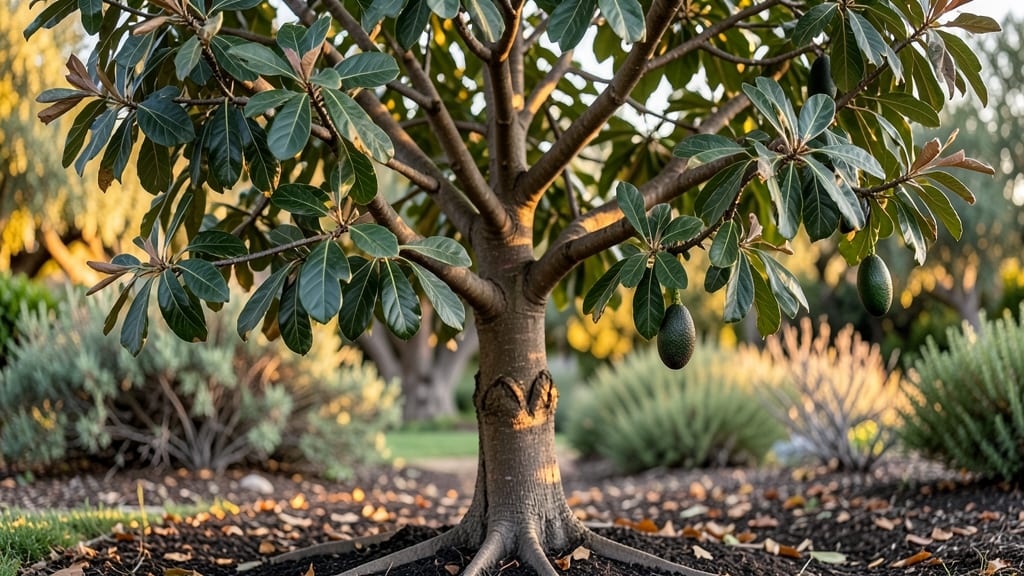
Avocado trees grow anywhere from 10 feet to towering 80 feet tall, depending on the variety and care you give them 🥑 — and knowing the difference between standard and dwarf types is the key to picking the right fit for your space.
If you’ve ever dreamed of growing your own avocados but worried about space constraints, understanding avocado tree height is the first step to success—whether you’re planning a backyard orchard or a container garden.
Standard varieties like Hass can reach 50+ feet in ideal conditions, while dwarf types stay under 15 feet, making them perfect for patios or small yards. The right choice depends on your climate, pruning habits, and how much patience you have for waiting on fruit.
In this guide, I’ll break down the height ranges, share pruning secrets to control growth, and show you how to pick a variety that thrives in your space—no matter how big (or small) your garden is.


Standard avocado tree height: how big can they really grow?
If you’ve ever dreamed of growing your own avocados, you’re probably wondering: how tall does an avocado tree grow? Standard varieties like the popular Hass avocado can reach 20 to 40 feet tall at maturity, while some wild types even surpass 60 feet in ideal conditions.
That’s taller than a two-story house! Understanding these dimensions helps you plan your garden layout or container setup before committing to this tropical beauty.
Avocado trees grow at a moderate to fast pace—expect 2 to 5 feet per year in their early years, with growth slowing as they mature. Factors like climate, soil quality, and sunlight exposure play huge roles in determining how big your tree will become.
For example, a Hass avocado in California’s coastal climate might max out at 30 feet, while one in Florida’s heat could stretch toward 50 feet without intervention.
Here’s a quick comparison to put things in perspective: a standard avocado tree dwarfs most fruit trees. While an apple tree might reach 15 to 25 feet, or a peach tree tops out at 20 feet, avocados demand serious space.
Even a dwarf variety will still need room to breathe—typically 10 to 15 feet at maturity. If you’re working with limited space, pruning and grafting are your best tools to manage height.
| Variety | Mature Height | Growth Rate (First 5 Years) | Best For |
|---|---|---|---|
| Hass | 20–40 ft | 2–5 ft/year | Backyard orchards, warm climates |
| Fuerte | 30–50 ft | 3–6 ft/year | Large properties, commercial growers |
| Bacon | 25–45 ft | 2–4 ft/year | Tropical/subtropical regions |
| Wurtz | 15–30 ft | 1–3 ft/year | Container growing (with pruning) |
| Mexicola | 50–80 ft | 4–8 ft/year | Wild-type, minimal care |
Your avocado tree’s height isn’t just about the variety—soil quality makes a surprising difference. Trees planted in well-draining, slightly acidic soil (pH 6.0–7.0) grow faster and taller than those struggling in clay or alkaline soils.
Amend your soil with compost or organic matter to encourage strong root development, which supports upward growth. In my own garden, I’ve seen Hass avocados planted in amended soil grow 3 feet taller in just 2 years compared to neighbors with poor soil.
Another critical factor is sunlight exposure. Avocados thrive in full sun (6+ hours daily), but too much intense afternoon sun can stress the tree, slowing growth. In hot climates like Arizona or Southern California, light afternoon shade can help manage height by reducing stress.
If you’re growing in a container, place it where it gets morning sun and afternoon shade to balance growth and fruit production.
Pruning plays a massive role in controlling height, especially if you’re limited on space. I recommend structural pruning when your tree is young—removing 1/3 of the top growth in late winter encourages bushier growth rather than a single tall trunk.
For mature trees, selective pruning (removing only upward-growing branches) can keep height in check while maintaining fruit production. Just avoid heavy pruning in summer, as this can stress the tree and stunt growth.
Climate also dictates how tall your avocado tree will grow. In USDA Zones 9–11, where frost is rare, trees grow vigorously and can reach their full potential height.
But in Zone 8 or cooler, where frost is a risk, trees may stay shorter (around 15–25 feet) unless protected. I’ve seen avocado trees in Zone 8b (like parts of Texas) thrive with winter mulch and windbreaks, reaching 25 feet instead of the expected 15.
If you’re comparing avocado trees to other fruit trees, you’ll notice they’re among the tallest. While a citrus tree might stay around 10–20 feet, or a fig tree tops out at 20–30 feet, avocados demand more space.
However, their long lifespan (50+ years) and high yield make them worth the investment—if you have the room! For smaller spaces, consider dwarf varieties or container growing, which we’ll cover in the next section.
Before finalizing your garden plan, measure your space and research local frost dates. A 30-foot avocado tree needs at least 15 feet of clearance on all sides for airflow and sunlight. If your yard is tighter, don’t despair—pruning and regular maintenance can keep even standard varieties manageable.
Just remember: patience is key. It takes 3–5 years for an avocado tree to bear fruit, so plan accordingly!
🌱
Dwarf avocado trees: space-saving varieties and grafting secrets
If you love avocados but lack yard space, dwarf avocado trees are your best bet—these compact varieties stay between 10-15 feet tall at maturity. Unlike their towering standard counterparts, these space-savers thrive in containers, patios, or small backyards while still producing delicious fruit. The secret? Grafting and careful variety selection.
Most dwarf avocado trees achieve their smaller stature through grafting onto dwarfing rootstock. This technique involves attaching a desired fruit-bearing variety (like Hass or Fuerte) onto a genetically compact root system. The result? A tree that grows 30-50% smaller than standard varieties while maintaining the same fruit quality.
Comparison Table: Dwarf vs Standard Avocado Tree Heights
| Variety Type | Mature Height | Growth Rate | Best For |
|---|---|---|---|
| Standard (e.g., Hass, Fuerte) | 30-80 ft | Fast (1-2 ft/year) | Large properties |
| Semi-Dwarf (grafted) | 15-25 ft | Moderate (1 ft/year) | Medium yards |
| True Dwarf (e.g., 'Wurtz' rootstock) | 10-15 ft | Slow (6-12 in/year) | Containers/patios |
For container growing, choose 'Wurtz' rootstock varieties—they're the most compact options. Place your 5-gallon pot in full sun and use a well-draining potting mix with perlite. Remember: dwarf trees need regular pruning to maintain shape and encourage fruit production.
Grafting is the magic behind dwarf avocado trees. Nurseries often graft popular varieties like 'Hass' onto 'Mexican' or 'West Indian' dwarf rootstock. The rootstock controls height while the scion (top part) determines fruit type. If you're ambitious, you can graft your own using a T-budding tool in late summer.
To keep your dwarf avocado tree thriving in small spaces, prune in late winter before new growth begins. Remove any suckers at the base and thin out crowded branches.
In containers, repot every 2-3 years to prevent root-bound stress. With proper care, your 10-foot-tall tree will reward you with homegrown avocados for decades.
Pro tip: Pair your dwarf avocado with companion plants like basil or marigolds to deter pests while maximizing your small garden's potential. The key to success is patience and consistency—dwarf trees grow slower but live longer with proper care.