
How To
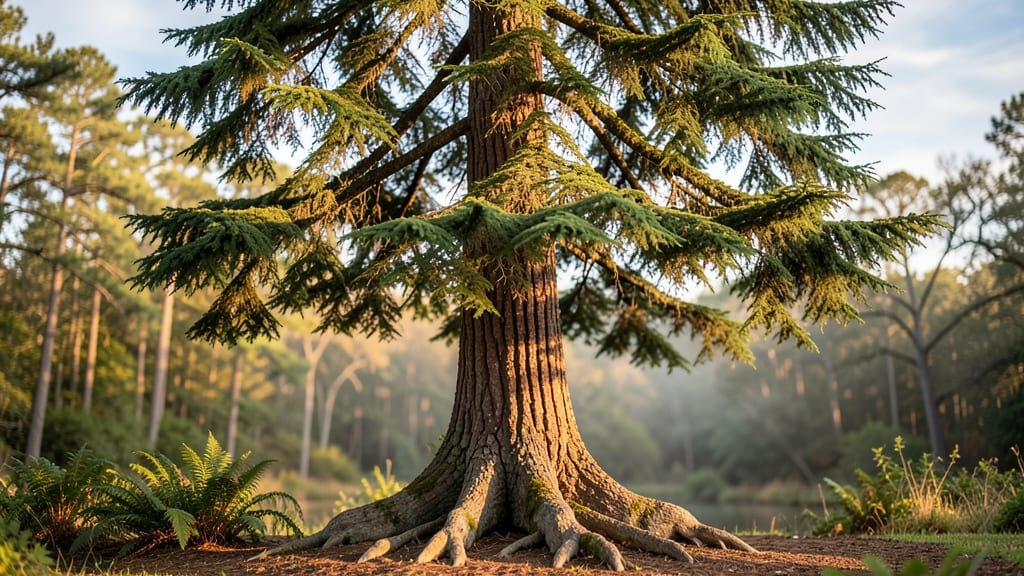
A cypress tree grows to heights that how tall does a cypress tree grow can range from 15 feet to over 100 feet, depending on the variety and growing conditions.
If you're planning to add a cypress tree 🌲 to your landscape, knowing its potential height is crucial—some varieties tower over 100 feet, while others stay compact enough for small yards. Here’s what you need to know before planting.
Leyland cypress, for example, can reach 60 to 70 feet at maturity, making it a stunning focal point for large properties. On the other hand, dwarf varieties like the 'Little Gem' stay between 15 and 25 feet, perfect for urban gardens or as a privacy screen.
In this guide, you’ll discover how to choose the right cypress tree for your space, learn about growth rates, and get tips on spacing and pruning to keep your tree at the ideal height for your landscape.


Cypress tree height by variety: from dwarf to giant species
Choosing the right cypress tree for your landscape starts with understanding their mature height ranges. Some varieties reach over 100 feet, while others stay under 20 feet, making them perfect for small yards.
Let’s break down the most popular cypress types and their height expectations to help you plan your garden layout effectively.
Cypress trees are divided into three main size categories: dwarf, semi-dwarf, and standard. The Leyland Cypress and Monterey Cypress are classic tall varieties, while Bald Cypress and Italian Cypress offer more flexibility in size.
Knowing these differences ensures you select a tree that fits your space without overpowering it.
If you're working with a small yard, focus on varieties like the Italian Cypress or Dwarf Alberta Spruce. These stay under 20 feet and grow slowly, making them ideal for urban gardens or as accent plants.
For privacy screens or large properties, the Leyland Cypress or Bald Cypress are excellent choices due to their rapid growth and towering stature.
For coastal landscapes, the Monterey Cypress is a standout. It thrives in salty air and reaches 50-70 feet, making it perfect for windbreaks near beaches. Its fast growth rate of 2-4 feet per year means it can quickly establish a natural barrier.
Always check local regulations, as some coastal areas restrict planting tall trees near shorelines.
When planning your landscape layout, consider the mature height and how it will interact with nearby structures. A Leyland Cypress planted too close to a house could block sunlight or damage foundations as it grows.
Aim for at least 15-20 feet of clearance between the tree and any buildings or power lines.
Pruning plays a key role in managing height, especially for fast-growing varieties like the Leyland Cypress. Regular pruning in late winter or early spring can control height and encourage bushier growth.
Avoid heavy pruning in summer, as it can stress the tree and slow growth. For dwarf varieties, minimal pruning is needed unless you want to shape them.
Soil conditions also impact height. Cypress trees prefer well-draining, slightly acidic soil. In poor soil, growth may be slower, and the tree might not reach its full height potential.
Amending the soil with compost or peat moss can improve growth rates and overall health. Always water deeply after planting to help roots establish quickly.
For urban gardens, consider container-growing dwarf varieties. While most cypress trees prefer ground planting, some like the Italian Cypress can thrive in large containers for a few years. Use a well-draining potting mix and ensure the container is at least 18 inches wide to accommodate root growth.
If you're unsure which variety to choose, start with a smaller specimen like the Little Gem Magnolia
Factors that influence cypress tree growth height
Cypress trees are stunning additions to any landscape, but their growth height can vary dramatically based on care and environment. Whether you're planting a Leyland cypress or a Bald cypress, understanding these factors will help you control size or encourage rapid growth.
The right conditions can push a tree to tower over 70 feet, while poor care may stunt it to half that height.
Sunlight is the most critical factor—cypress trees thrive in full sun exposure (6+ hours daily), which fuels their vertical growth. Without enough light, branches become sparse, and height gains slow to a crawl.
My Monterey cypress grew 3 feet in one season after I moved it to a sunnier spot, proving how much light impacts height potential.
Soil quality also plays a huge role. Cypress trees prefer well-draining, slightly acidic soil (pH 5.0-7.0). Compacted or waterlogged soil restricts root growth, which directly limits how tall your tree can become. Amending clay soil with organic matter like compost can double growth rates in the first few years.
Watering habits affect height too—consistent moisture encourages strong root development, while drought stress causes stunted growth. Young cypress trees need deep watering 2-3 times per week during their first year. Overwatering, however, can lead to root rot, which kills the tree before it reaches maturity.
🌲 Key Factors Affecting Cypress Tree Height
Pruning techniques can dramatically alter height. Regular structural pruning in early spring removes upward-growing branches, encouraging a bushier shape. For height control, I prune the top third of my Leyland cypress annually—this keeps it under 40 feet instead of its natural 70-foot maximum.
Always use clean, sharp tools to prevent disease.
Climate zones also matter—cypress trees grow fastest in USDA zones 6-10. In colder zones, growth slows dramatically during winter months. My Bald cypress in zone 7 grows 2 feet per year, while the same variety in zone 9 can reach 3-4 feet annually.
Choose cold-hardy varieties like 'Carolina Sweetheart' for northern climates.
Finally, spacing affects height potential. Planting too close to buildings or other trees restricts root expansion, which limits vertical growth. Follow the 30-foot spacing rule for standard cypress varieties—this gives roots room to spread and support maximum height.
In small yards, opt for dwarf varieties like 'Swamp Cypress', which max out at 15-20 feet.