
Blooming
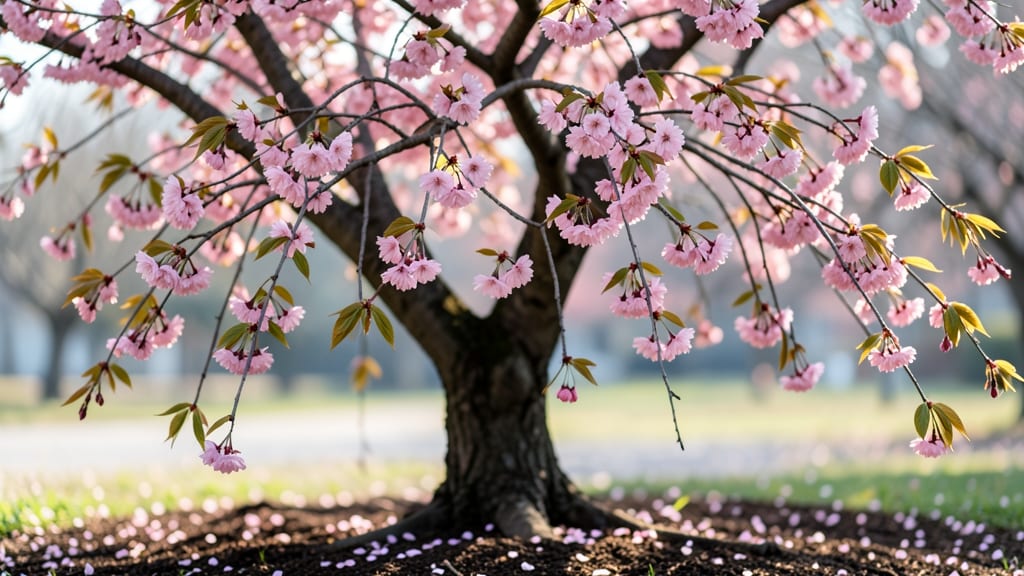
The lifespan of a cherry blossom tree could span 50–100 years—or just 15—depending on care, luck, and the right variety. 🌸 I’ve watched my 30-year-old tree still burst into pink clouds every spring, and it’s taught me that longevity starts with understanding the tree’s needs before it even leaves the nursery.
Ornamental cherry blossoms (like Prunus serrulata) live longest when planted in well-draining soil, with full sun exposure and consistent watering. Fruiting varieties, like Prunus avium, often last shorter lives because they’re more vulnerable to pests and diseases. The key difference?
Ornamental trees focus all their energy on those showstopping blooms, while fruiting types divert resources to fruit production. You’ll know your tree is aging when branches thin out, bark cracks, or blooms become sparse.
But with regular pruning (every 2–3 years) and disease monitoring, you can extend its life dramatically. My tree’s secret? A deep mulch layer and avoiding overwatering—both common mistakes that shorten lifespan. Even in their later years, cherry blossoms reward patience with spectacular spring displays and that unmistakable fresh-bloom scent.
The oldest recorded specimen, Japan’s Someiyoshino tree, is over 130 years old—proof that with the right care, your tree can become a legacy.
📚 In This Guide
- What you need
- Instructions
- Tips and common mistakes
- Wrapping up and next steps
What you need
- ● Cherry Blossom Tree: Choose a Prunus serrulata (or similar species) from a reputable nursery. Opt for a 1-3 year old sapling (5–6 ft tall) for best establishment.
- ● High-Quality Soil: 6–8 bags of well-draining garden soil (e.g., Miracle-Gro Garden Soil or Espoma Organic Soil).
- ● 2–3 bags of compost (e.g., Black Kow) to enrich nutrients.
- ● Fertilizer: 1 bag of balanced 10-10-10 fertilizer (e.g., Scotts Lawn Food) for planting.
- ● 1 bag of slow-release granular fertilizer (e.g., Osmocote Smart-Release) for seasonal feeding.
- ● Mulch: 2–3 cubic feet of organic mulch (e.g., pine straw or wood chips) to retain moisture.
- ● Watering Supplies: 1 hose with adjustable nozzle (e.g., Flexzilla).
- ● 1 watering can (5-gallon) for young trees.
- ● Digging Tools: 1 shovel (e.g., Fiskars Steel Digging Shovel).
- ● 1 garden fork for aerating soil.
- ● Pruning Tools: 1 pair of bypass pruners (e.g., Felco F2).
- ● 1 pruning saw (e.g., Fiskars X27) for thicker branches.
- ● Safety Gear: 1 pair of gloves (e.g., Wright & McGill).
- ● 1 safety glasses for pruning.
- ● Tree Stake: 1–2 wooden or metal stakes (e.g., Tree Stake Kit) for young trees in windy areas.
- ● Tree Guard: 1 plastic tree collar (e.g., Tree Collar Guard) to protect the trunk from mowers.
- ● Soil pH Test Kit: 1 LaMotte Soil pH Test Kit to ensure optimal 6.0–7.0 pH.
- ○ Drip Irrigation System: (Optional for large gardens) to automate watering.
How to maximize a cherry blossom tree's lifespan through strategic care
Here's how I've learned to extend these iconic trees from decades to centuries with simple, science-backed practices.
🌱 Step 1: Select the Right Cultivar for Your Climate
Not all cherry blossoms thrive equally—choose a cultivar matched to your USDA hardiness zone. Prunus serrulata varieties like 'Kwanzan' handle zones 5-8 beautifully, while 'Yoshino' excels in zones 5-9. I always verify the tree's mature height (typically 20-30 feet) against my space—these trees need room to develop their iconic canopy structure.
Young trees sold in nurseries often come from zone 6+ climates, so if you're in zone 5, ask for cold-hardy selections like 'Autumn Royal' or 'Royal Celebration'. The first sign of poor cultivar choice? Yellowing leaves by early summer or stunted growth after winter. This isn't just about survival—it's about ensuring that signature pink or white spring blooms appear reliably for generations.
☀️ Step 2: Position for Full Sun and Proper Airflow
Cherry blossoms demand 6-8 hours of direct sunlight daily—no compromises. I plant mine where they'll receive morning sun and afternoon light, avoiding spots where buildings or mature trees create shade after noon. The tree's cambium layer (the growth-producing tissue just under the bark) needs this light to produce strong buds for next year's flowers.
Equally critical is airflow—space trees 30-40 feet apart to prevent fungal diseases like powdery mildew. I notice the healthiest specimens in urban parks are often planted along streets where gentle breezes circulate through the canopy. Watch for dark brown spots on leaves in humid summers—a clear sign airflow is insufficient.
💧 Step 3: Water Deeply and Infrequently During Establishment
Newly planted cherry blossoms need 1-1.5 inches of water weekly for the first 2-3 years, delivered through deep watering (soaking the root zone to 18 inches deep). I use a soaker hose for 20-30 minutes twice weekly rather than daily shallow watering, which encourages shallow root systems vulnerable to drought.
Mature trees are drought-tolerant once established, but I still water during extended dry spells (no rainfall for 2+ weeks). The key sensory checkpoint is soil 6 inches down—it should feel slightly damp but not soggy. Overwatering causes root rot, visible as wilting leaves that don't recover even after watering, paired with a foul smell at the base.
✂️ Step 4: Prune Strategically in Late Winter
Prune 3-4 weeks before bud break (typically late February to early March) when the tree is still dormant. Remove dead, crossing, or inward-growing branches first, then thin the canopy to open it to sunlight—this prevents disease and encourages strong floral displays. I never remove more than 25% of the canopy in one season to avoid stress.
The goal is to maintain an open vase shape that showcases the blossoms. Look for water sprouts (fast-growing vertical shoots) and suckers (shoots from the base)—these divert energy from flowering. Prune these aggressively in late winter. If you see bleeding sap after pruning, it's normal but indicates you pruned too late—wait until next dormant season.
🪴 Step 5: Fertilize and Mulch for Long-Term Health
Apply a balanced 10-10-10 fertilizer in early spring (just as buds swell) and again in early summer, using ½ pound per inch of trunk diameter. I've found organic options like composted manure or fish emulsion work well too, though they require more frequent applications. The key is consistency—cherry blossoms are light feeders and respond poorly to heavy fertilization.
Mulch with 3-4 inches of wood chips, keeping it 6 inches away from the trunk to prevent rot. Replenish mulch annually in early spring. The mulch should feel dry on top but retain moisture below—this indicates proper decomposition. Over-mulching (more than 4 inches) smothers roots and invites pests like voles.
Tips & tricks for perfect cherry blossom tree care
Here's what nobody tells you about keeping these iconic trees thriving for generations.
Cultivar Selection: When choosing your tree, verify the nursery's growing conditions match your climate. I've seen 'Kwanzan' trees in zone 5 nurseries that struggled because they were grown in warmer zones. Ask for zone-tested trees—look for labels indicating they've been grown in your specific hardiness zone. This simple step prevents years of frustration with stunted growth or poor flowering.
Sunlight Strategy: The 6-8 hours of daily sunlight requirement is non-negotiable, but timing matters just as much. Position your tree to receive morning sun first—this helps dry dew quickly, reducing fungal risks. I've noticed trees planted on the north side of buildings often develop brown spots by mid-summer because they never receive afternoon light. Consider installing a sunlight tracker app to monitor your planting location's light exposure throughout the day.
Watering Wisdom: For those first critical 2-3 years, think of watering as a root-building investment. The 20-30 minutes of soaker hose time twice weekly isn't just about moisture—it's about encouraging deep root development. I test soil moisture by pushing a screwdriver 6 inches down; if it comes out clean, you need more water. This method prevents both underwatering and the root rot that comes from soggy soil.
Pruning Precision: When pruning those 3-4 weeks before bud break, focus on creating an open vase shape—this isn't just about aesthetics. The goal is to maximize air circulation and sunlight penetration to the inner branches, which is where next year's blossoms form. I use a 3-cut method for larger branches: first make an undercut, then the main cut, and finally remove the branch. This prevents bark tearing and speeds healing.
Pro Tips for Cherry Blossom Tree Lifespan
- Here's what nobody tells you about keeping these iconic trees thriving for generations.
- Cultivar Selection: When choosing your tree, verify the nursery's growing conditions match your climate. I've seen 'K...
- Sunlight Strategy: The 6-8 hours of daily sunlight requirement is non-negotiable, but timing matters just as much. Po...
Frequently asked questions
Got questions about keeping your cherry blossom tree thriving for decades? Here are answers to the most common concerns—so you can enjoy that dreamy springtime magic year after year!
How long do cherry blossom trees typically live?
With proper care, most cherry blossom trees (like Prunus serrulata) live 25–50 years, while some varieties can reach 100+ years! Urban trees often have shorter lifespans due to pollution or poor soil, but rural or well-maintained trees thrive longer. Dwarf varieties may live slightly less but still offer decades of blooms.
Why did my cherry blossom tree stop blooming?
Lack of blooms usually signals stress from over-pruning, poor nutrition, or environmental factors. Prune only after flowering, fertilize in early spring, and ensure full sun (6+ hours/day). If the tree is young (<5 years), it may still be maturing—patience is key!
Can cherry blossom trees survive harsh winters?
Most cherry blossoms are hardy to USDA Zones 5–8, but young trees or tender varieties (like Prunus × yedoensis) need winter protection. Mulch the base, wrap the trunk with burlap, and avoid pruning late in the season. Ever-blooming types may struggle in cold snaps—check your local climate zone!
What’s the best alternative for short-lived cherry blossoms?
If you want long-lasting blooms with less fuss, consider Japanese maples (30–100 years) or ornamental cherries like ‘Autumn Brilliance’, which live 40+ years. For smaller spaces, Prunus ‘Kwanzan’ (hybrid) is hardy and reliable. Always match the tree to your climate and space!
Are cherry blossom trees high-maintenance?
Not necessarily! They thrive with minimal care: water deeply 1–2x/week (newly planted trees need more), mulch annually, and prune only to shape. Watch for pests like borers or aphids—neem oil or insecticidal soap helps. With basic attention, they reward you with decades of effortless beauty.
| Quick Tip | Do This! |
|---|---|
| Soil Test | Test soil pH (ideal: 5.5–6.5) and amend with compost if needed. |
| Bloom Boost | Apply a balanced fertilizer (10-10-10) in early spring before buds swell. |
| Winter Prep | Wrap young trunks with tree guard to prevent sunscald. |
Wrapping up and next steps
Whether you’re a seasoned gardener or a blossom enthusiast, understanding the cherry blossom tree lifespan empowers you to nurture these stunning trees for decades of springtime splendor. 🌸 With the right care—from soil prep to pruning—your tree can thrive for 50 to 100 years, gifting you (and future generations) with breathtaking blooms.
Ready to plant the seeds of beauty? Start by choosing the perfect variety for your climate and soil, then roll up your sleeves for the rewarding journey ahead!