
Pruning
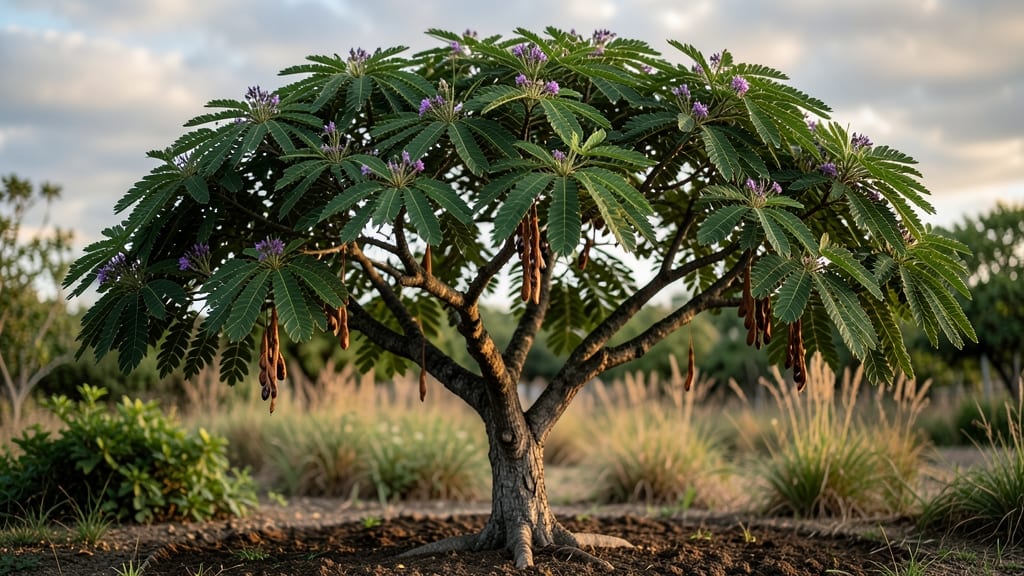
Stink tree pictures show you how to spot this tree by its glossy, lance-shaped leaves with jagged edges, rough gray bark with deep furrows, and foul-smelling yellow fruits. The pungent odor from crushed fruit is the tree’s most distinctive trait.
Stink trees get their name from those distinctive yellow fruits, which release a skunk-like stench when damaged. 🌳 The leaves grow 6-12 inches long and turn yellow in fall, while the bark develops pronounced vertical ridges as the tree matures.
Unlike similar trees, stink trees lack the distinctive white bark of sycamores or the tulip-shaped buds of poplars—making these visual cues your best identification tools.
This tree thrives in disturbed soils and urban areas, often spreading aggressively. While its unique scent makes it easy to spot, its rapid growth can crowd out native plants. Many gardeners learn to recognize stink trees early to prevent them from becoming invasive pests in their landscapes.
💡 In This Article
- Key Visual Characteristics of Stink Tree Leaves, Bark, and Fruit
- How to Use Stink Tree Identification for Gardening and Pest Control
Key visual characteristics of stink tree leaves, bark, and fruit
The stink tree's leaves are its first giveaway, featuring 6-12 inch long lance-shaped blades with serrated edges that create a saw-tooth pattern.
These leaves grow alternately along the branches, creating a layered canopy effect. 🌿 What sets them apart is their glossy, dark green surface that reflects light, making them stand out against similar trees like sycamore (which has lighter, rougher leaves) or tulip poplar (with smoother, heart-shaped leaves).
The bark reveals another key identifier: it starts smooth when young but develops deep vertical ridges as the tree matures, resembling alligator skin. This texture contrasts sharply with sycamore's patchy white bark or tulip poplar's smoother, more uniform surface.
The bark's dark gray color remains consistent year-round, providing a reliable visual marker even in winter when leaves are absent.
The fruit is where the stink tree earns its name. These pea-sized, round fruits begin green but ripen to bright yellow in late summer. What makes them unmistakable is the intense, skunk-like odor released when crushed—this happens due to the tree's chemical defense mechanism that repels herbivores.
The scent contains methyl mercaptan, the same compound found in skunk spray, which triggers your nose's olfactory receptors for sulfur compounds.
Seasonal changes offer additional clues: leaves turn yellow-green in fall before dropping, while new growth in spring appears slightly lighter green. The tree's rapid growth rate (up to 3 feet per year) also helps distinguish it from slower-growing native species.
These visual and olfactory cues create a comprehensive identification profile that's hard to confuse with other trees.
For comparison, sycamore trees have lighter, mottled bark and broader leaves, while tulip poplars feature tulip-shaped buds and heart-shaped leaves. The stink tree's combination of glossy leaves, ridged bark, and foul-smelling fruit creates a unique signature that becomes immediately recognizable after close examination.
This visual diversity extends to the tree's branch structure, which often grows in a pyramidal shape when young but develops a more rounded canopy with age. The alternate branching pattern (leaves growing singly at nodes) further differentiates it from compound-leafed trees like honey locust.