
Blooming
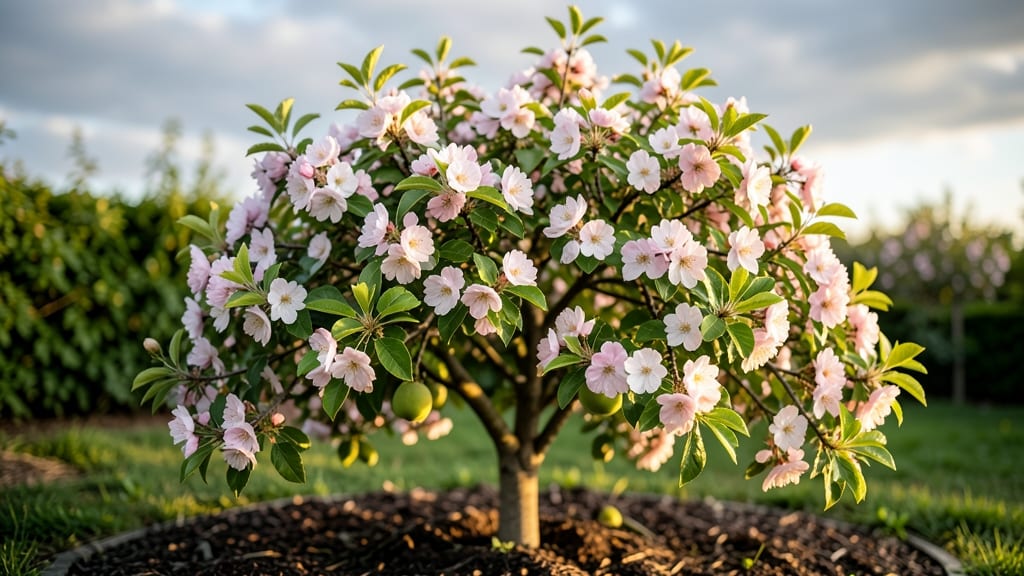
Peach trees bloom in late spring 🍑, but the exact timing depends on your USDA zone, variety, and even last year’s weather.
Wondering when your peach tree will bloom this spring? Timing is everything for a bountiful harvest—and getting it wrong could mean lost fruit. Here’s how to predict your peach tree’s bloom window down to the week using USDA zone data, climate trends, and expert insights.
In Zone 6a, where many gardeners live, blooms typically appear between mid-April and early May, just as the last frost passes.
But in warmer zones like 8b or 9a, early varieties may burst into color as early as February, while late bloomers in Zone 5 might not show signs until June.
Below, I’ll break down how to read your tree’s cues, adjust for frost risks, and even shift bloom timing with simple pruning. By the end, you’ll know exactly when to expect those showstopping pink blossoms—and how to turn them into a harvest of juicy peaches.
Peach tree bloom time by USDA Zone: exact week-by-week predictions
Peach trees (Prunus persica) are finicky about timing—bloom too early, and a late frost can wipe out your fruit set. Too late, and you miss the harvest window. Knowing your USDA zone helps pinpoint when buds will burst, so you can plan frost protection or pruning.
Here’s how bloom dates shift from Zone 3 to Zone 10, plus which varieties play by which rules.
Most peach trees need 300–1,000 chill hours (below 45°F) to bloom, but heat accumulation after dormancy triggers the show. In cooler zones, blooms arrive 4–6 weeks earlier than in warm zones.
For example, a Zone 5 tree might bloom in late April, while a Zone 9 tree waits until mid-May. Varieties like ‘Redhaven’ (mid-season) or ‘Suncrest’ (late-season) further tweak the schedule.
Use this zone-by-zone chart to predict bloom weeks, then watch for bud swell (a sign blooms are 2–3 weeks away). Early bloomers are riskier—if your zone has late-spring frosts, consider late-season varieties or microclimate adjustments (like planting near a south-facing wall).
Notice how Zone 3–4 blooms align with late May–June, avoiding early frosts? That’s why ‘Hale Haven’ thrives there—it’s bred for short seasons. In Zone 5–6, where late April frosts are common, ‘Elberta’’s mid-season bloom gives fruit time to mature before fall.
Meanwhile, Zone 9–10 trees bloom early to escape summer heat stress.
Your local microclimate can shift bloom time by 1–2 weeks. For example, a south-facing slope warms faster than a north-facing yard, pushing blooms earlier. To test your tree’s readiness, check for bud break (when buds swell and turn pink).
Once you see 50% bud break, blooms are 7–10 days away. Use this to time frost protection or pollination aids (like hand-pollinating if bees are scarce).
Pro tip: Late-season varieties (like ‘Suncrest’) are safer in Zone 5–6 because they
How climate and variety affect peach tree bloom timing
Peach trees don’t bloom on a single schedule—some varieties burst into pink blossoms in early March, while others wait until May. This variation depends on two key factors: chilling hours and heat accumulation.
Chilling hours are the number of hours below 45°F (7°C) a tree needs during winter dormancy to trigger blooms. Without enough, buds stay dormant. Meanwhile, heat accumulation after dormancy signals the tree it’s safe to bloom.
For example, ‘Redhaven’ peaches need 500–700 chilling hours, while ‘Early Red’ thrives with just 300–400 hours. If you’re in USDA Zone 7 or warmer, choose low-chill varieties like ‘Contender’ or ‘Sanguinelle’—they bloom earlier and avoid late frost damage.
In colder zones, high-chill varieties like ‘Elberta’ (600+ hours) shine.
Heat accumulation after dormancy also shifts bloom timing. Trees in Zone 9 or warmer may bloom 2–3 weeks earlier than those in Zone 6 because they accumulate heat faster.
For example, a ‘Redhaven’ in Zone 9 might bloom in early April, while the same variety in Zone 6 waits until late April. Track your local growing degree days (GDD) to predict blooms accurately.
Pro tip: If your tree blooms too early, consider delayed dormancy techniques like wrapping the trunk with burlap or using anti-desiccant sprays to extend dormancy. Conversely, if blooms are late, ensure your tree gets enough winter chilling—avoid heating sources near the trunk during cold months.
A well-timed bloom means a reliable harvest 120–170 days later, depending on the variety.
Understanding your local microclimate is crucial. Urban areas with heat islands can push blooms earlier, while rural spots with cold air pockets may delay them. Use a home weather station to monitor chilling hours and adjust your variety choices accordingly.
For instance, if you’ve had late frosts in May, opt for late-blooming varieties like ‘Halehaven’ to avoid frost damage.
Finally, remember that young peach trees (under 3 years old) often bloom later because they’re still building energy reserves. Patience pays off—once established, a healthy tree will sync its blooms with your climate’s rhythm, rewarding you with juicy, sun-ripened peaches every summer. 🍑