
How To
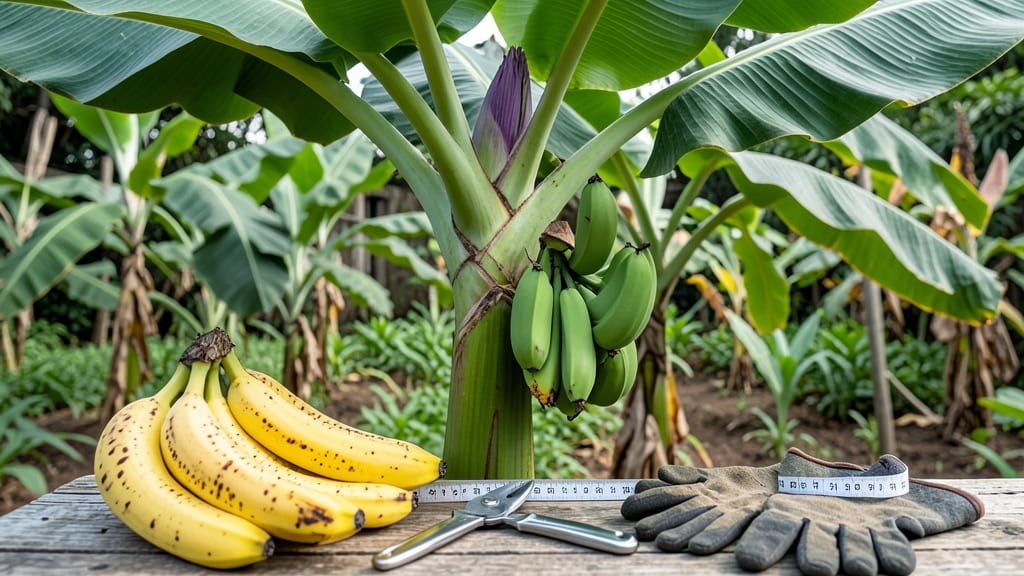
To pick a Florida banana tree 🍌 at the perfect moment means catching fruit when it’s sweetest—not too soon, not too late.
Picking bananas at the perfect moment transforms a simple harvest into a flavor explosion—especially in Florida’s warm climate, where timing can make or break your crop’s sweetness.
Most growers miss the window because they focus on color alone, but texture and the stem’s condition are just as critical. A slightly firm, mostly yellow banana with a few brown spots is your best bet for peak flavor.
Below, I’ll walk you through the 3 key ripeness signs to harvest bananas at their sweetest, plus Florida-specific tips to avoid common mistakes like premature ripening or overripe fruit.


3 Visual ripeness signs to harvest Florida bananas at peak flavor
Harvesting bananas at the right moment is an art—especially in Florida’s warm, year-round growing conditions. Unlike grocery store bananas, which are picked green and ripened artificially, Florida-grown bananas like Dwarf Cavendish or Red Dacca should be harvested when they’re naturally ripe for maximum sweetness and texture.
Missing these cues can mean starchy, underripe fruit or overripe, mushy bananas. Let’s break down the three key visual signs that tell you your bananas are ready to pick.
First, pay attention to the fruit’s color. Green bananas are unripe and lack sweetness, while fully yellow bananas with brown spots are ideal for eating fresh. For varieties like Red Dacca, the skin may develop a reddish hue before turning yellow.
Florida’s warm climate speeds up ripening, so check your bananas every 3-5 days during peak growing months (spring through early fall) to catch them at their sweetest.
Visual Ripeness Checklist for Florida Bananas
Look for 75% yellow with small brown spots (for sweet bananas). Red Dacca varieties may show reddish-purple tones before yellowing. Avoid fully green or entirely brown fruit.
Gently press the banana—it should feel slightly soft but not mushy. A ripe banana will leave a faint dent when pressed, while unripe bananas feel rock-hard. Overripe bananas will feel squishy or leak liquid.
Check the stem where the banana attaches—it should turn brown and dry. Twist the banana gently; if it detaches easily with a slight tug, it’s ready. A green or moist stem means it’s too soon.
Florida’s humid climate can trick growers into thinking bananas are ripe when they’re not. For example, bananas may develop yellow patches due to sun exposure or pests, not ripeness.
Always combine the three signs above to avoid mistakes. Pro tip: Harvest in the morning when temperatures are cooler—this preserves flavor and reduces bruising during transport.
If you’re growing plantains (a starchy banana variety), aim for a fully green skin with a slight softness. These are typically harvested younger than sweet bananas and cooked afterward.
For Dwarf Cavendish, which is popular in Florida home gardens, focus on the yellow-with-spots stage for the best balance of sweetness and firmness.
Overlooking these ripeness cues can lead to underripe bananas, which are hard and bland, or overripe bananas, which turn mushy and ferment quickly in Florida’s heat.
Once picked, store bananas at room temperature to ripen naturally, or refrigerate to slow the process if you’re not ready to eat them. For Red Dacca, which ripens faster, act quickly once you spot the color change!
Timing your harvest also depends on your Florida climate zone. In North Florida (Zone 8a), bananas may take longer to ripen due to cooler winters, while South Florida (Zone 10a-11) can produce bananas year-round with faster ripening cycles.
Always adjust your checks based on your local microclimate—this ensures you never miss the peak flavor window.
For first-time growers, I recommend marking your calendar 3-4 months after flowering as a rough estimate for harvest time. However, always rely on the visual cues over guesswork. Florida’s unpredictable summer rains can also accelerate ripening, so stay vigilant during monsoon season (June-September)** when humidity spikes.
Once you master these signs, harvesting becomes second nature. The reward? Homegrown bananas that are sweeter, firmer, and more flavorful than store-bought varieties. Plus, you’ll avoid the disappointment of soggy or bland bananas that come from picking too early or too late.
With practice, you’ll develop an eye for the perfect moment—transforming your Florida banana harvest into a tropical treat every time. 🍌
Best time of year to pick bananas in Florida’s climate zones
Florida’s year-round growing season makes banana harvesting a year-long adventure, but peak production varies dramatically across three climate zones. In North Florida (Zones 8a-9a), cooler winters slow growth, while Central Florida (Zones 9b-10a) enjoys near-continuous fruiting, and South Florida (Zones 10b-11) thrives with minimal seasonal shifts.
Understanding these zones helps you time harvests for maximum sweetness and avoid frost-related losses.
Unlike tropical regions where bananas ripen predictably, Florida’s microclimates create unique flowering cycles. Trees in North Florida may produce one main flush in late spring, while South Florida trees can flower year-round with 2-3 harvests annually.
Pay attention to bunch development—each hand of bananas takes 90-120 days to mature after flowering, but environmental stress can delay this.
Frost risks are your biggest enemy in North Florida, where unexpected cold snaps (below 30°F) can damage flowering buds or young fruit. Central Florida sees rare frost, but heatwaves above 95°F can stress trees, slowing ripening. South Florida’s consistent warmth means fewer interruptions, but hurricane season (June-November) can knock down heavy bunches.
| Climate Zone | Peak Harvest Window | Key Risks | Flowering Cycle |
|---|---|---|---|
| North Florida (Zones 8a-9a) | Late April-July (main flush) | Frost (<30°F), drought stress | 1-2 cycles/year; delayed by cold |
| Central Florida (Zones 9b-10a) | Year-round; peaks March-October | Heat stress (>95°F), hurricanes | 2-3 cycles/year; continuous growth |
| South Florida (Zones 10b-11) | Year-round; peaks May-November | Hurricane wind, flooding | 3+ cycles/year; rapid regrowth |
Adjust your harvest timing based on early or late blooms. If your tree flowers in January (unusual for North Florida), expect fruit to ripen by April-May. Conversely, a September bloom in South Florida will yield bananas by December-January.
Use a harvest calendar to track flowering dates—mark them on your tree trunk with a waterproof marker for reference.
For dwarf varieties like Dwarf Cavendish, harvest 3-4 months after flowering, while taller varieties (e.g., Red Dacca) may take 5-6 months. Always twist gently to detach bunches—never pull.
If you miss the window, unripe bananas can ripen off the tree, but they’ll lack peak flavor. Store them in a paper bag with an apple to speed ripening.
Pro tip: Prune spent pseudostems (the large leaf stalks) immediately after harvest to redirect energy to new growth. This keeps your tree productive year-round, especially in Central and South Florida, where multiple harvests are possible. Just remember—patience pays off! 🍌