
Flowers
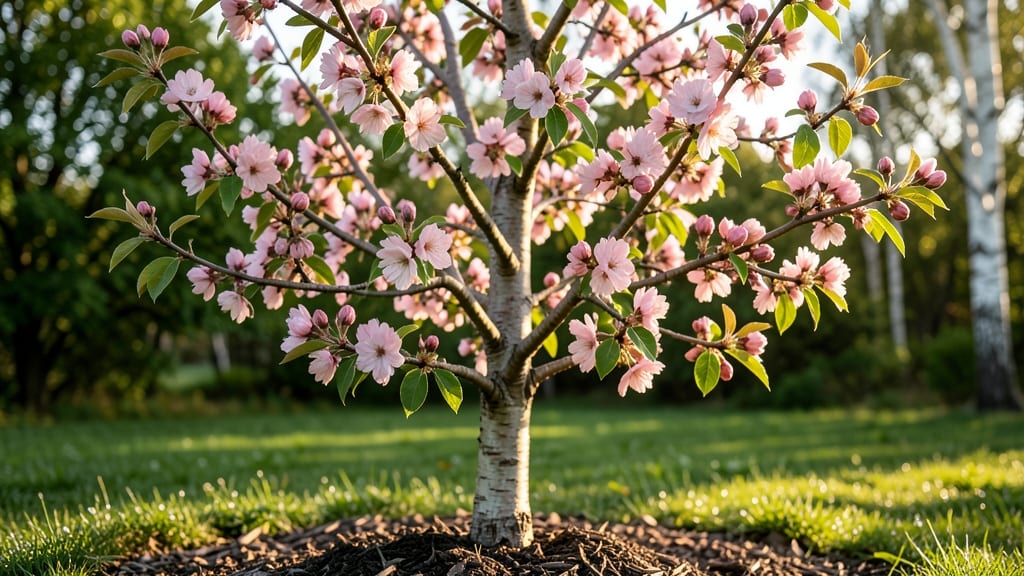
Fruit tree flowers identification is the first step to knowing when to prune, which blooms will bear fruit, and how to support pollinators. 🌸 Last spring, I mistook my peach tree's delicate pink blossoms for invasive weeds—until I saw the bees swarming them. That moment taught me how critical these flowers are for both harvest and ecosystem health.
Apple trees burst into white clusters, while citrus trees like lemons and oranges produce fragrant, solitary blossoms. Peaches and plums showcase soft pink or white flowers in clusters, often with a subtle sweet scent.
Each type has unique timing: apples bloom early, peaches follow, and citrus often flowers in spring or fall depending on climate. Healthy blooms stand firm, smell sweet, and attract pollinators—diseased ones may droop, smell foul, or have spots.
Recognizing these flowers helps you time pruning for maximum fruit production. Prune after blooms fade but before new growth hardens—usually in late spring. This ensures the tree directs energy to fruit rather than extra branches.
You'll also spot pollinator-friendly trees, like cherries with their showy white clusters, and avoid over-pruning varieties that rely on cross-pollination, like apples.
Seasonal cues matter too: early bloomers (like pears) need protection from late frosts, while late bloomers (like figs) thrive in warmer climates. Keep an eye on flower shape, color, and scent—they’re your clues to a bountiful harvest ahead.
This knowledge turns guesswork into strategy, and your fruit trees into reliable producers.
The Hidden Triggers Behind Blooms
Fruit tree flowers don’t just appear by magic—they’re the result of a delicate dance between genetics, environment, and care. Understanding why your tree blooms (or doesn’t) helps you fine-tune pruning, pollinator support, and seasonal timing.
Here’s a breakdown of the key factors that shape when—and how—your fruit tree puts on its floral show.
Every fruit tree species has an inherent bloom window hardwired into its DNA. For example:
- Early bloomers: Peach, nectarine, and apricot trees often flower in late winter to early spring (February–March in most climates), when chilling hours (30–500+ hours below 45°F) trigger budbreak. Miss the chill? Buds may fail to open, leaving you staring at bare branches.
- Mid-season stars: Apple and pear trees typically bloom in April–May, requiring 500–1,000+ chilling hours to sync their cycles. Varieties like ‘Honeycrisp’ apples need consistent cold to avoid sporadic blooming.
- Late bloomers: Citrus (like oranges) and figs flower in spring or summer, often in response to warmth and day length rather than cold. Figs, for instance, may produce multiple flushes if conditions are ideal.
Actionable tip: Check your tree’s chill-hour requirements (found on nursery tags or extension service guides). If your region’s winters are warming, you might need to choose low-chill varieties or use artificial chilling (like refrigeration for potted trees) to reset dormant buds.
Fruit trees are temperature-dependent, and climate shifts—whether natural or human-caused—can disrupt blooming. Here’s how:
| Climate Factor | Effect on Blooms | How to Adapt |
|---|---|---|
| Late frosts (after buds swell) | Kills delicate petals and pollen, leading to poor fruit set or deformed blooms. Example: A 28°F frost in April can devastate peach blossoms. |
|
| Unusually warm winters | Breaks dormancy too early, then refreezing damages buds. Trees may produce sparse or weak blooms. |
|
| Drought stress | Limits energy for flower production. Trees may skip blooming or produce small, infertile flowers. |
|
Flowers are energy-intensive, and a tree that’s malnourished will prioritize leaves over blooms. Common culprits:
- Low nitrogen (N): Too little = fewer blooms; too much = leafy growth at the expense of flowers. Aim for a balanced 10-10-10 fertilizer in early spring.
- Phosphorus (P) deficiency: Critical for root and flower development. Yellowing leaves with purple stems? Boost P with bone meal or superphosphate.
- Potassium (K) shortages: Weakens cell walls, leading to drooping or deformed blooms. Use greensand or wood ash for a natural K boost.
- Micronutrient gaps (zinc, boron): Even tiny deficiencies can prevent pollination. Spray with a chelated micronutrient mix if you see stunted flowers or cracked fruit.
Pro tip: Test your soil before fertilizing—overdoing it can lead to salt buildup, which stresses roots and reduces blooming.
Pruning is a double-edged sword: Done right, it encourages flowers; done wrong, it starves your tree of blooming potential. Common blunders:
- Pruning at the wrong time:
- ❌ Late winter/early spring (before blooms open): Removes next year’s flower buds (which form on old wood in most fruit trees).
- ✅ Dormant season (late fall to early winter): Safe for structural pruning.
- Over-pruning: Removing >25% of canopy in one go reduces energy reserves for blooming. Stick to 10–20% annual cuts.
- Top-heavy cuts: Trimming too many branches from the top shifts growth upward, leaving lower branches bare of flowers.
- Shearing (like a hedge): Encourages weak, leafy growth and few flowers. Use open-center pruning for fruit trees.
✨ Key insight: Some trees (like stone fruits) bloom on spurs (short shoots). Avoid cutting these wooden knobs—they’re your tree’s flower factories!
Even if your tree is covered in blossoms, lack of pollinators can mean no fruit. Here’s why:
- Declining bee populations: Pesticides (even neonicotinoids) can kill bees before they reach your tree. Solution: Plant bee-friendly companion flowers (like lavender or borage) near your
Fixing Common Flower ID Mistakes
Identifying fruit tree flowers can be tricky, especially when blooms look similar or environmental factors muddle their appearance. But don’t worry—most issues have simple fixes! Below, we’ve mapped common problems to practical solutions, so you can confidently prune, pollinate, and protect your trees.
---
Issue: Your fruit tree’s blooms resemble those of a neighboring plant, making identification confusing.
How to Fix It: - 🔍 Examine the Leaves & Branches Compare the leaf shape, size, and arrangement (alternate vs. opposite) of the tree in question. For example, apple tree leaves are oval with jagged edges, while cherry leaves are narrower with smooth edges.
- 🌿 Check the Bud Shape Before flowers open, buds can reveal clues. Apple blossoms have five petals with a distinctive "cup" shape, while peach blossoms are more rounded and delicate.
- 📸 Take Close-Up Photos Snap images of the flower structure, stem, and leaves. Use apps like PictureThis or PlantNet to cross-reference with a database.
Prevention Tip: 💡 Label your trees with stakes or tags during planting. Include the variety name (e.g., "Honeycrisp Apple") to avoid future guesswork.
---
Issue: Your tree’s flowers appear earlier or later than expected, throwing off pollination schedules.
How to Fix It: - 🌡️ Monitor Temperature & Weather Extreme cold snaps or late frosts can delay blooming. Use a thermometer to track temperature shifts and protect young flowers with frost cloth if needed.
- 💧 Adjust Watering & Fertilizer Overwatering or nutrient deficiencies can stress trees. Water deeply once a week (unless drought-stricken) and apply balanced fertilizer (10-10-10) in early spring.
- ☀️ Ensure Full Sun Exposure Most fruit trees need 6–8 hours of sunlight daily. Prune nearby shade trees or relocate the tree if it’s in a low-light spot.
Prevention Tip: ✨ Plant cold-hardy varieties suited to your USDA zone (e.g., "Zestar!" apple for zones 3–8) to sync blooming with local pollinators.
---
Issue: Bees and butterflies avoid your tree, reducing fruit set.
How to Fix It: - 🌼 Plant Companion Flowers Add native pollinator-friendly plants like lavender, borage, or clover near your fruit tree. These provide nectar and attract bees year-round.
- 🚫 Avoid Pesticides Skip chemical sprays during bloom time. Instead, use neem oil or soapy water sprays for pests, and apply them after sunset to protect pollinators.
- 🌿 Create a Water Source Place a shallow dish of water with pebbles (so insects can land safely) near the tree. Bees and butterflies need hydration too!
Prevention Tip: 🎯 Time pruning for late winter/early spring before flowers appear. Heavy pruning during bloom removes flower clusters and deters pollinators.
---
Issue: Blossoms fall off prematurely, often due to stress or poor pollination.
How to Fix It: - 🌧️ Check for Overwatering or Drought Both extremes stress trees. Water deeply but infrequently (1–2 inches per week) and mulch to retain moisture.
- 🐝 Hand-Pollinate if Needed If bees are scarce, use a soft paintbrush to transfer pollen from flower to flower on cloudy or windless days.
- 🍄 Rule Out Fungal Issues Look for black spots or powdery mildew on leaves. Treat with baking soda spray (1 tbsp baking soda + 1 quart water + a drop of dish soap) or copper fungicide.
Prevention Tip: 💡 Thin out excess flowers in early spring to reduce competition for nutrients. Aim to leave 1 cluster per spur (for apples) or 1 flower per stem (for peaches).
---
Issue: Aggressive pruning removes next year’s blooms, leading to fewer flowers.
How to Fix It: - 📅 Prune at the Right Time - Dormant season (late winter): Remove dead wood and shape the tree. - Post-harvest (summer): Lightly thin out crowded branches to improve airflow.
- 🌿 Focus on "Open-Center" Structure Train young trees to have an open vase shape with branches spreading outward. This maximizes sunlight and air circulation for buds.
- 🔪 Use Sharp, Clean Tools Dull shears crush branches. Sterilize pruners with rubbing alcohol between cuts to prevent disease spread.
Prevention Tip: 🌡️ Never prune when the tree is wet—this spreads bacterial infections. Wait for dry, sunny days.
--- Final Pro Tip: 📊 Keep a blooming journal! Note the date, flower color, and tree variety each year. Over time, you’ll recognize patterns and troubleshoot faster.
With these fixes, you’ll master fruit tree flower ID—and enjoy bountiful harvests for years to come! 🌳🍒🍎
Frequently asked questions
How can I tell the difference between apple and pear tree flowers?
Apple tree flowers have 5 white or pink petals arranged in a cup shape with 10 stamens (pollen-bearing parts). Pear blossoms are similar but often have a more delicate, drooping appearance with 5 petals and 5 stamens. Look closely at the flower structure—apple blooms are sturdier and more upright, while pears tend to have softer, more flexible stems.
Why do some fruit tree flowers smell sweet while others don't?
Sweetly scented flowers like citrus or peach trees produce fragrance to attract pollinators like bees and butterflies. Trees with less noticeable scents (like some apple varieties) often rely on visual cues or wind pollination. The scent intensity also depends on the variety—‘Lemon’ trees are famously fragrant, while ‘Granny Smith’ apples have minimal aroma.
Can I identify fruit trees by their flowers alone, or do I need to check leaves too?
While flowers provide key clues, leaf shape and arrangement are essential for accurate ID. For example, cherry blossoms are similar to apple flowers but grow on trees with smooth-edged, lance-shaped leaves. Always examine both flowers and foliage—use a plant identification app if unsure, as it cross-references both features.
What should I do if my fruit tree flowers look diseased?
Healthy blooms stand upright with vibrant colors, while diseased flowers may droop, develop spots, or emit foul odors. First, check for powdery mildew (white powder) or black spot (dark lesions). Remove affected flowers immediately and treat with neem oil or copper fungicide. Avoid watering flowers directly to prevent fungal spread.
Do all fruit trees need bees to produce fruit?
Most fruit trees require pollination, but some (like figs or pomegranates) can self-pollinate. For cross-pollinated varieties (like apples), plant two compatible varieties nearby. If bees are scarce, hand-pollinate using a soft brush on cloudy days when pollen transfer is less efficient.