
Trees
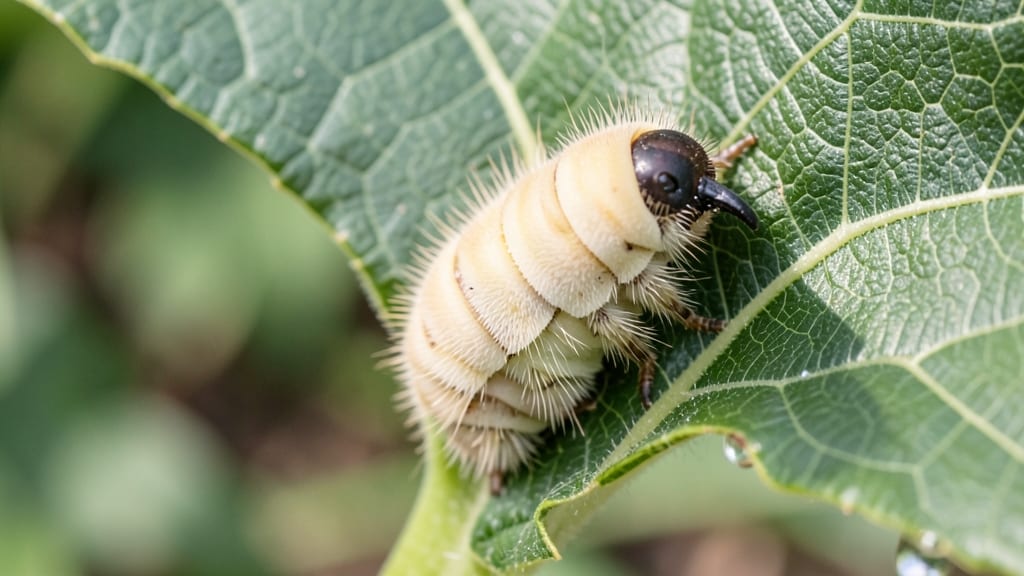
The moment you spot sawdust-like frass around your fig tree’s trunk, your heart sinks—fig tree borers are already at work. 🌳 I’ve battled these silent destroyers, and the key to saving your tree isn’t harsh chemicals but smart, organic interventions that actually stop the cycle.
These pests thrive in stressed trees, so your first move is to strengthen the tree’s defenses: deep watering, balanced soil, and pruning to improve airflow. Once they’re established, manual removal (yes, it’s messy) combined with neem oil or kaolin clay creates a barrier they can’t penetrate.
By acting fast, you’ll see new growth within weeks—no more wilting branches or hollowed-out trunks. The secret is consistency: check for fresh frass every season, and you’ll keep these borers from turning your fig tree into a skeleton. Works for backyard figs, container trees, and even mature specimens.
Let’s get your tree back to thriving!
Root Causes Of Wood-Boring Threats
The presence of wood-boring pests like the fig tree borer isn’t random—it’s the result of specific environmental and biological triggers. Understanding these causes helps you take proactive steps to protect your trees. Below, we break down the key factors that create the perfect conditions for these destructive insects to thrive.
Stressed trees are like neon signs for wood-borers. When a fig tree struggles—whether from drought, poor soil, or disease—its natural defenses weaken, making it an easy target. Borers detect these stress signals through:
- Volatile organic compounds (VOCs): Trees under stress emit chemical cues that attract borers, acting as a dinner bell.
- Reduced sap flow: Healthy sap resists borer larvae, but stressed trees offer little resistance, allowing larvae to burrow deeper.
- Cracked bark: Stress often leads to bark splits, creating entry points for adult borers to lay eggs.
Actionable fix: Monitor your fig tree’s health year-round. Water deeply during dry spells, mulch to retain moisture, and prune to improve airflow—all of which reduce stress signals.
Bark damage—whether from physical trauma, improper pruning, or hail—exposes the tree’s vulnerable inner layers. Wood-borers exploit these openings to:
- Lay eggs: Adult borers insert eggs into cracks, ensuring larvae hatch directly into a protected food source.
- Bypass defenses: Smooth, intact bark deters borers, but rough or split bark provides ideal entry points.
- Spread rapidly: Once one borer infests a tree, others follow, turning a small issue into a full-blown invasion.
Actionable fix: Inspect your fig tree’s trunk and branches regularly for wounds. Seal minor cracks with organic tree wound paste, and avoid aggressive pruning that tears bark.
Improper pruning doesn’t just harm aesthetics—it creates perfect borer highways. Common mistakes include:
- Flared cuts: Jagged edges leave exposed wood, inviting borers to colonize.
- Over-thinning: Removing too many branches stresses the tree, weakening its immune response.
- Pruning during wet seasons: Moisture-laden cuts slow healing, giving borers more time to invade.
Actionable fix: Prune during dry, dormant seasons (late fall/winter) using clean, sharp tools. Make cuts just outside the branch collar to promote fast healing.
Wood-borers are opportunistic, and their activity peaks under specific conditions:
| Factor | How It Helps Borers |
|---|---|
| 🌞 Warm, dry spells | Drought-stressed trees produce less sap, making them easier to penetrate. |
| 🌧️ Heavy rainfall | Softens bark, allowing adult borers to chew through more easily. |
| 🍂 Fall leaf drop | Nutrient loss weakens the tree’s ability to fight off infestations. |
Actionable fix: Mulch heavily in summer to retain moisture, and avoid overwatering in fall. Install tree guards to deter adult borers during peak activity (spring/summer).
Borers thrive when their natural predators—like birds, parasitic wasps, and beetles—are scarce. Common disruptors include:
- Pesticide overuse: Broad-spectrum chemicals kill beneficial insects along with pests, leaving borers unchecked.
- Monoculture planting: Single-species groves (like fig orchards) offer borers a buffet with fewer predators.
- Urbanization: Loss of native habitats reduces predator populations near your tree.
Actionable fix: Introduce predator-friendly plants (e.g., lavender, marigolds) near your fig tree. Avoid synthetic pesticides—opt for targeted organic sprays like neem oil or kaolin clay.
Fixing Fig Tree Damage Naturally
Now that you understand why fig tree borers wreak havoc on your trees, let’s tackle the solutions—without toxic chemicals. These methods focus on prevention, early intervention, and organic treatments to keep your fig trees thriving.
Below, we’ve mapped common causes to practical fixes, so you can act fast and effectively.
---
Before diving into fixes, spot the red flags early: - Sawdust-like frass near the trunk or branches (borer poop = bad news). - Wilting leaves or sudden dieback, even if the tree seems healthy otherwise. - Small holes in the bark or oozing sap (a sure sign of tunneling). - Weak growth or stunted fruit production.
💡 Pro Tip: Check your tree twice a year—spring (when borers are most active) and late summer (before winter hibernation).
---
Once you confirm an infestation, attack the borers at their weak spots:
#### 1. 👨🍳 Beneficial Nematodes (The Silent Killer) - How it works: Microscopic nematodes (Heterorhabditis bacteriophora) infect and kill borer larvae. - How to apply: - Mix 5–10 million nematodes per gallon of water (follow package instructions). - Water deeply around the base of the tree at dusk (they die in sunlight). - Repeat every 4–6 weeks during borer season (spring to fall). - Best for: Early-stage infestations (larvae are soft and vulnerable).
#### 2. 🥘 Mineral Oil or Horticultural Spray (Smother the Eggs) - How it works: A light coating of mineral oil suffocates eggs and young larvae before they bore in. - How to apply: - Mix 2 tbsp mineral oil + 1 tsp dish soap per gallon of water. - Spray the trunk and branches thoroughly, focusing on cracks and crevices. - Reapply every 2–3 weeks during active borer season. - Best for: Prevention and light infestations.
#### 3. 🔪 Manual Removal (For the Brave DIYer) - How it works: Physically prune out infested branches and dig out larvae from tunnels. - How to do it: - Use sterilized pruning shears to cut 2–3 inches below the exit holes. - Burn or bag the cuttings (do not compost—they may still harbor larvae). - Drill or chisel into larger tunnels to kill larvae (wear gloves!). - Best for: Moderate infestations where chemical-free removal is possible.
---
A weak tree is an open invitation for borers. Strengthen your fig tree’s defenses:
#### 1. 💪 Improve Soil Drainage (Borers Love Wet Wood) - Why? Poor drainage weakens roots, making trees more susceptible. - Fix it: - Amend soil with compost or perlite to improve aeration. - Mulch properly (3–4 inches deep, keep mulch 6 inches away from the trunk). - Avoid overwatering—borers target stressed trees.
#### 2. 🍎 Boost Tree Vitality (Healthy Trees Fight Back) - Fertilize smartly: - Use organic, slow-release fertilizer (like fish emulsion or worm castings) in early spring. - Avoid nitrogen overload—it encourages soft, borer-loving growth. - Prune correctly: - Remove dead or crossing branches to improve airflow. - Seal pruning wounds with pruning sealant (optional but helpful for large cuts).
#### 3. 🎯 Attract Natural Predators (Let Nature Do the Work) - Birds & bats eat borers! Install: - Birdhouses near the tree. - Bat boxes (if you’re in a bat-friendly area). - Ladybugs & parasitic wasps also help—plant companion flowers (like marigolds or dill) to attract them.
---
Borers follow a predictable schedule. Outsmart them with these timely tactics:
| Season | Threat Level | Your Move | |-------------|----------------|--------------| | Spring | 🚨 High (Adults emerge, lay eggs) | Apply nematodes + mineral oil spray. Prune and seal wounds. | | Summer | ⚠️ Moderate (Larvae tunnel) | Monitor for frass/sap.
Reapply nematodes if needed. | | Fall | 🟢 Low (Larvae pupate) | Deep water to flush out weak larvae. Clean up debris. | | Winter | ❄️ Dormant (Borers hibernate) | Inspect for egg masses (remove by hand). Plan spring treatment. |
---
- ❌ Over-fertilizing → Makes trees soft targets. - ❌ Ignoring small holes → Tiny tunnels = big problems later. - ❌ Using chemical pesticides → Kills beneficial insects and harms the tree long-term. - ❌ Skipping mulch → Moist, rotting mulch attracts borers.
--- Final Thought: 🌟 Prevention is your best weapon—healthy trees + consistent organic treatments will keep fig tree borers at bay. Start with nematodes and mineral oil, then boost tree health, and watch your fig tree bounce back!
Frequently asked questions
How do I know if my fig tree has a borer infestation?
Look for these key signs: sawdust-like frass (borer droppings) near the trunk or branches, small holes in the bark, oozing sap, or sudden wilting despite proper care. Tap the trunk—if it sounds hollow, larvae are likely tunneling inside.
Can I save my fig tree if the borers are already inside?
Yes, but act fast! Start with manual removal of infested branches (cut 2-3 inches below exit holes) and drill into tunnels to kill larvae. Combine this with beneficial nematodes applied at dusk for best results. Repeat treatments every 4-6 weeks during active seasons.
What’s the best organic treatment for fig tree borers?
The most effective organic solutions are beneficial nematodes (for larvae) and mineral oil spray (to smother eggs). For prevention, apply kaolin clay as a physical barrier. Always combine treatments with tree health boosters like proper pruning and mulching to create an inhospitable environment.
Will pruning help prevent fig tree borers?
Proper pruning reduces stress and removes entry points. Always prune during dormant seasons, use sterilized tools, and make clean cuts just outside the branch collar. Seal larger wounds with organic sealant to prevent borers from exploiting fresh cuts.
How often should I check my fig tree for borers?
Inspect your tree twice a year: once in spring (when adults emerge) and again in late summer (before winter). For severe-risk areas, add a monthly check during peak seasons (April-September). Focus on bark cracks, fresh frass, and unusual sap flow.