
Pruning
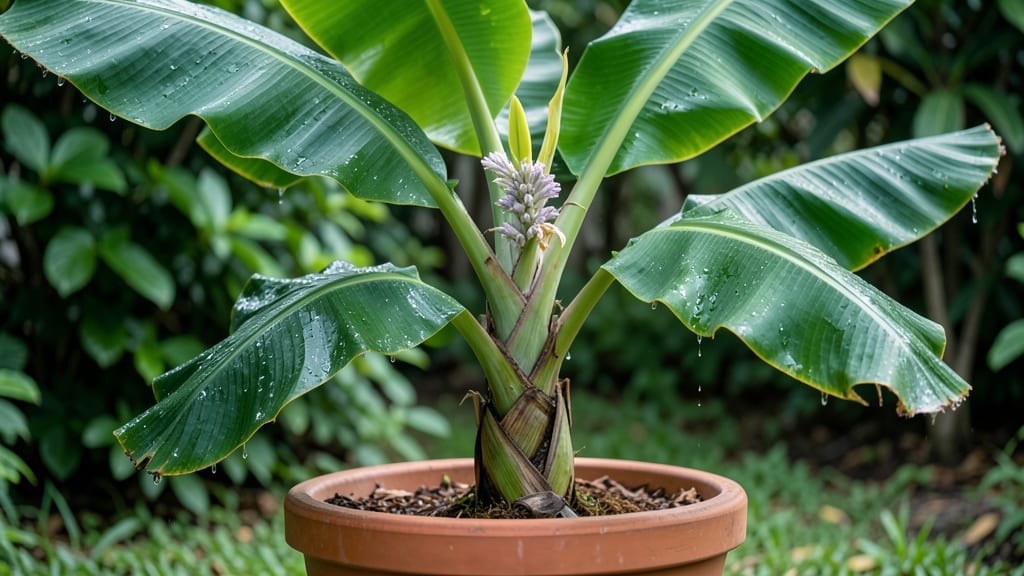
A Dwarf Cavendish banana tree stays under 12 feet in height with the right care—but many growers end up with a towering monster instead of the compact, fruit-bearing beauty they imagined.
You’re not alone if your 🍌 has shot up faster than expected. The key to keeping it manageable lies in understanding its natural growth patterns and when to step in with pruning.
Without control, even a "dwarf" variety can stretch toward 15 feet, crowding your space and reducing fruit quality.
In this guide, I’ll break down how climate, soil, and pruning habits affect height, plus the exact techniques to trim it back without harming productivity. By the end, you’ll know how to keep your banana tree at 8–12 feet while maximizing those sweet, familiar bunches.
Whether you’re growing in a container or a small garden, these strategies will help you avoid the common pitfalls that turn a manageable plant into a backyard giant.

Understanding Dwarf Cavendish banana tree height: natural growth vs. controlled pruning
If you’ve ever dreamed of growing your own bananas but worried about a towering tree taking over your yard, the Dwarf Cavendish banana is your perfect match.
Unlike its giant cousins that can reach 15-25 feet, this variety typically stays between 8-12 feet—making it ideal for smaller gardens or containers. But here’s the catch: its height isn’t set in stone.
With the right care, you can influence whether your tree hits the upper limit or stays more compact.
The Dwarf Cavendish’s height is influenced by three key factors: genetics, seasonal growth cycles, and human intervention (like pruning). While genetics set the baseline, your climate, soil, and pruning habits can push it toward the 8-foot or 12-foot end of the spectrum.
Understanding these factors is the first step to growing a banana tree that fits your space—and your fruit goals.
Let’s break down how each growth stage contributes to your tree’s final height, from its first sprouts to its mature fruit-bearing phase. The table below highlights what to expect at each stage and how to guide its growth naturally or through pruning.
The first year is all about establishing a strong pseudostem (the tree’s trunk-like structure). During this phase, your Dwarf Cavendish will focus energy on leaf growth, reaching 3-5 feet by its first birthday.
This is when soil quality and water consistency play the biggest role in setting the foundation for future height. Poor drainage or nutrient deficiencies can stunt early growth, while rich, moist soil encourages a sturdy, upright structure.
By year two, your tree enters its juvenile-to-mature transition, where height gains accelerate. This is the critical window for influencing final size. If you notice your tree shooting up too quickly, it’s likely responding to excess nitrogen or overcrowded roots.
The solution? Switch to a balanced 10-10-10 fertilizer and consider repotting if grown in containers. Pruning in early spring can also redirect energy toward bushier growth rather than vertical spikes.
Here’s where many gardeners make a costly mistake: assuming that more height equals more fruit. In reality, the Dwarf Cavendish produces its best yields when it’s well-pruned and balanced. Trees left unchecked often grow taller but weaker, with smaller fruit bunches.
The key is to prune strategically—removing only 1-2 mature leaves per session to maintain energy flow without shocking the plant. This approach keeps your tree at a manageable 8-10 feet while maximizing fruit production.
Seasonal growth cycles also play a surprising role in height control. In tropical climates, Dwarf Cavendish trees grow year-round, but in temperate zones, they enter a dormant-like slowdown in winter.
If you live in a cooler area, take advantage of this natural pause to prune back by 20-30% before spring. This prevents the tree from "catching up" with rapid growth once temperatures rise. Think of it as a reset button for height management.
For those growing Dwarf Cavendish in containers, height becomes even more manageable. Since root space is limited, the tree naturally stays shorter and bushier. Choose a pot that’s at least 18 inches wide to accommodate root spread, and use a well-draining potting mix with added compost.
Container-grown trees also benefit from regular repotting every 2-3 years, which helps control height by preventing root-bound stress.
If your goal is to keep your Dwarf Cavendish under 10 feet, focus on these three height-control strategies: prune in early spring, fertilize with potassium-rich formulas, and provide afternoon shade during peak summer months.
These adjustments work together to create a tree that’s compact, productive, and perfect for small spaces. With the right approach, you’ll enjoy homegrown bananas without sacrificing your garden’s layout.
🍌
Step-by-step pruning techniques to keep your Dwarf Cavendish under 12 feet
Pruning your Dwarf Cavendish banana tree isn’t just about trimming—it’s about guiding its growth to stay within your ideal height range of 8-12 feet. Without proper technique, even dwarf varieties can stretch taller, losing their compact charm.
The key lies in strategic cuts that encourage bushier growth while maintaining structural integrity. Start by timing your pruning sessions to align with the tree’s natural growth cycles, and always prioritize leaf health to avoid stressing the plant.
Before grabbing your pruners, gather the right tools: sterilized bypass pruners (to prevent disease), a sharp knife for larger cuts, and gardening gloves (those banana leaves pack a punch!). Safety first—large leaves can cause cuts, and the plant’s sap might irritate sensitive skin.
Work on a dry, sunny day when the tree is actively growing, and always disinfect your tools with rubbing alcohol to prevent bacterial spread. This preparation ensures cleaner cuts and healthier regrowth.
Step-by-Step Pruning Guide
- 1 Identify growth rings: Count 2-3 rings from the base of the pseudostem to determine your pruning height. These rings indicate where new growth will emerge.
- 2 Make clean cuts: Use sterilized pruners to cut at a 45° angle just above a leaf node. Avoid tearing the pseudostem to prevent disease entry points.
- 3 Remove 1-2 leaves max: Never remove more than 1-2 mature leaves per session. This maintains the tree’s ability to photosynthesize while encouraging bushier growth from lower nodes.
- 4 Fertilize post-pruning: Apply a banana-specific fertilizer (high in potassium) to support regrowth. Focus on the root zone to stimulate new sucker development.
- 5 Thin suckers: Monitor for new suckers (baby plants) and thin to 1-2 strongest. This directs energy toward fewer, healthier stems, reducing vertical growth.
Timing your pruning is critical. Aim for early spring (March-April in temperate zones) when the tree is just waking up from dormancy. This encourages new growth from lower nodes, creating a bushier habit and preventing the tree from shooting up vertically.
Avoid pruning in late summer or fall, as this can stunt root development and lead to uncontrolled height growth the following year. If you must prune later in the season, limit cuts to 10% of the foliage to minimize stress.
After pruning, keep a close eye on your tree’s response. Healthy regrowth should appear within 2-4 weeks, with new leaves emerging from the lower nodes. If you notice yellowing leaves or stunted growth, your cuts may have been too aggressive.
Adjust your approach for the next session—less is more when shaping a banana tree. Always prioritize leaf health over aggressive trimming, as stressed plants are more susceptible to pests and diseases.
For container-grown Dwarf Cavendish trees, pruning takes on extra importance. Since pots limit root space, your tree relies on strategic cuts to stay compact. Use the same techniques but reduce pruning intensity by 20-30% compared to in-ground plants.
Container trees also benefit from regular root pruning—gently tease the roots when repotting to encourage a denser, more controlled growth habit. This dual approach keeps your tree both fruitful and manageable, even in small spaces.
Remember, the goal isn’t just to keep your Dwarf Cavendish under 12 feet—it’s to create a thriving, productive plant that fits your space while delivering abundant fruit. With these techniques, you’ll enjoy a banana tree that’s as manageable as it is rewarding. Happy pruning! 🍌✂️🌿