
Pests and Diseases
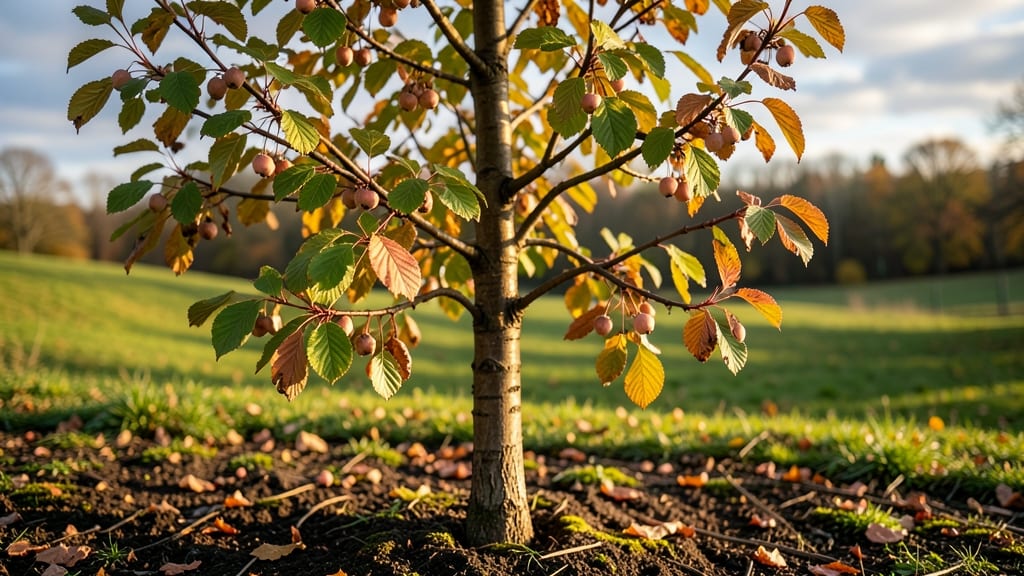
Your cherry tree’s leaves turning yellow and falling off aren’t just a seasonal quirk—they’re a cry for help. 🌳 I’ve seen this happen when trees get ignored, and the solutions are simpler than you’d think, but the timing matters.
The first step is figuring out whether it’s a nutrient problem, a fungal infection, or something else entirely.
Most yellowing starts with the older leaves—think of it like a tree’s way of saying, “I’m running out of energy.” But if the yellow spreads to new growth or you spot black spots, that’s a red flag for fungal diseases like leaf spot or powdery mildew.
Pests like spider mites can also suck the life out of leaves, leaving them crispy and yellow around the edges.
Here’s the good news: pruning out dead branches, adjusting watering habits, and applying the right fertilizer or fungicide can turn things around in just a few weeks. I’ve nursed back trees that looked like they were on their last legs—it’s all about acting fast and addressing the root cause.
If the problem keeps spreading despite your best efforts, it might be time to call in an arborist. Some issues, like bacterial infections, need professional treatment. But for most cases, a little detective work and targeted care is all you need to bring your tree back to full, vibrant life.
Root Causes Behind Leaf Loss
If your cherry tree’s leaves are turning yellow and dropping prematurely, don’t panic—there’s almost always a fix. The key is identifying the specific trigger behind the symptoms.
Below, we break down the most common culprits, from environmental stressors to hidden pests, with clear explanations of what’s happening at a biological level.
Cherry trees are sensitive to extreme conditions, and sudden changes in temperature, light, or water can trigger rapid leaf discoloration and drop. Here’s why:
- Heat or drought stress:
When soil moisture drops below 40-50% available water, cherry trees wiltingly respond by shedding leaves to conserve energy.
Yellowing (chlorosis) occurs because the tree can’t transport nutrients efficiently—water stress disrupts the xylem vessels that carry water and minerals from roots to leaves. Look for: Crispy leaf edges, wilting even in the evening, and soil pulling away from pot edges (if potted).
- Cold or frost damage:
Cherry trees (especially Prunus avium) are semi-tender in winter. Temperatures below 20°F (-6°C) can rupture cell membranes in leaves, causing them to turn yellow or brown before dropping. The damage is often irreversible because the leaf tissue is dead, but the tree may regrow foliage in spring.
- Excessive wind or sun scorch:
Young leaves are particularly vulnerable to photoinhibition—when intense sunlight overwhelms their photosynthetic capacity. Wind exacerbates this by drying leaves faster. Signs: Yellow patches on sun-exposed sides of leaves, with healthy green veins (a classic "scorch pattern").
💡 Pro Tip: Mulch with 2–4 inches of organic matter (like wood chips) to regulate soil temperature and retain moisture. For wind protection, consider temporary burlap screens during high-wind seasons.
Yellowing leaves often signal a mineral imbalance, particularly in cherry trees grown in poor or compacted soil. Each deficiency triggers distinct patterns:
| Deficiency | Leaf Symptoms | Why It Happens | Quick Fix |
|---|---|---|---|
| Nitrogen (N) | Uniform yellowing (pale green) starting at older leaves | Nitrogen is critical for chlorophyll production. Without it, leaves can’t photosynthesize, leading to premature senescence (aging) and drop. | Apply balanced fertilizer (e.g., 10-10-10) in early spring. Use compost tea for organic options. |
| Iron (Fe) | Interveinal chlorosis (yellow between veins, green veins) on young leaves | Iron is immobile in plants, so new leaves show symptoms first. High pH (>7.0) or calcareous soil locks iron out of root uptake. | Use chelated iron (e.g., iron sulfate or EDTA-iron) or acidify soil with sulfur/pine needles. |
| Potassium (K) | Yellowing at leaf margins, brown "scorch" edges, weak stems | Potassium regulates osmotic balance and stress responses. Deficiency makes leaves leaky, causing nutrient loss and drop. | Apply potassium sulfate or wood ash (sparingly). Banana peels composted into soil also help. |
| Magnesium (Mg) | Yellowing between veins on older leaves, purple stems | Magnesium is central to chlorophyll molecules. Deficiency disrupts photosynthesis, often due to over-fertilizing with nitrogen or acidic soil. | Spread Epsom salt (magnesium sulfate) around the base (1 tbsp per 10 sq ft) and water in. |
⚠️ Warning: Avoid over-fertilizing! Excess salts (from synthetic fertilizers) can burn roots, worsening nutrient uptake. Always water thoroughly after applying amendments.
Not all yellowing is environmental—pests and diseases can hijack your cherry tree’s resources, leading to rapid leaf loss. Here’s how to spot the culprits:
- Spider Mites (🕷️)
These tiny arachnids pierce cells to suck out sap, causing stippling (tiny yellow dots) that expand into large necrotic patches. Severe infestations trigger premature leaf drop as the tree conserves energy. Check: Webbing on undersides of leaves, especially in dry, hot conditions.
- Scale Insects (🐛)
Scale secrete honeydew, a sticky sugar-rich waste that attracts sooty mold (a black fungal growth). This blocks sunlight, causing leaves to yellow and drop. Look for brown, shell-like bumps on stems/leaves.
- Leaf Spot Fungi (🍄)
Fungi like Cercospora or Alternaria thrive in wet, humid conditions, creating target-like yellow/brown spots with dark borders. Infected leaves crisp and fall to limit spore spread. Prevent: Space trees for airflow; remove fallen leaves.
- Bacterial Leaf Spot (🧫)
Caused by Xanthomonas or Pseudomonas, this disease creates water-soaked yellow spots that turn brown and ooze bacteria. Leaves drop rapidly to contain the infection. No cure—prune and sterilize tools with 70% alcohol.
🔥 Emergency Action: For pests, blast leaves with water (disrupts mites/scale) and apply neem oil or insecticidal soap. For fungi, use copper fungicide (e.g., Bordeaux mixture) at first signs.
Sometimes the issue isn’t above ground. Root damage or systemic stress can manifest as yellowing foliage:
- Root Rot (🍄💀)
Overwatering or poorly draining soil leads to Phytophthora or Pythium fungi, which strangle roots. The tree can’t absorb water/nutrients, causing uniform yellowing and wilting.
Revive Your Cherry Tree Now
If your cherry tree’s leaves are turning yellow and dropping prematurely, don’t panic—there’s a solution for every cause. Below, we’ll walk you through practical fixes tailored to the most common culprits, from nutrient deficiencies to pests and diseases.
Each remedy is designed to be easy to implement, whether you’re a gardening pro or a beginner with a green thumb.
Yellowing leaves often signal your cherry tree isn’t getting the nutrients it needs. Here’s how to diagnose and correct the issue:
🔥 Iron Deficiency (Chlorosis)
- Symptoms: Bright yellow leaves with green veins, often on younger growth.
- Solution:
- Apply chelated iron (a fast-acting, plant-available form) to the soil or spray it on leaves.
- Lower soil pH slightly (aim for 6.0–6.5) by adding elemental sulfur or peat moss.
- Water deeply after application to help roots absorb nutrients.
- Prevention:
- Test soil annually and amend with iron supplements if needed.
- Avoid over-fertilizing with nitrogen, which can worsen deficiencies.
🍳 Nitrogen Starvation (General Pale Yellowing)
- Symptoms: Uniform yellowing across older leaves, stunted growth.
- Solution:
- Use a balanced fertilizer (10-10-10 or 20-20-20) in early spring.
- Add compost or well-rotted manure to enrich the soil naturally.
- Avoid synthetic fertilizers if soil is already nitrogen-rich—overdoing it can burn roots.
- Prevention:
- Mulch with organic matter (like wood chips) to slowly release nitrogen.
- Test soil every 2–3 years to monitor nutrient levels.
👨🍳 Potassium or Magnesium Lack (Yellow Edges or Spots)
- Symptoms: Yellowing at leaf edges or between veins, weak stems.
- Solution:
- Apply Epsom salt (magnesium sulfate) by dissolving 1 tbsp per gallon of water and spraying leaves monthly.
- Use a potassium-rich fertilizer (like greensand or wood ash) in late summer.
- Prevention:
- Avoid sodium-heavy fertilizers, which can block magnesium uptake.
- Prune to improve air circulation, reducing stress on the tree.
Pests like aphids, spider mites, and borers can drain your tree’s vitality, leading to leaf drop. Act fast with these targeted treatments:
🔪 Aphids & Spider Mites (Sticky Leaves, Curling)
- Solution:
- Blast pests off with a strong spray of water (early morning works best).
- Apply neem oil (1 tsp per quart of water) or insecticidal soap every 5–7 days.
- Introduce beneficial insects like ladybugs or lacewings for natural control.
- Prevention:
- Prune regularly to remove infested branches.
- Encourage predator plants (like marigolds) nearby to deter pests.
🥘 Borers & Beetles (Holes, Sawdust-Like Frass)
- Solution:
- Handpick adults (wear gloves!) and drop them in soapy water.
- Drill small holes in the trunk and inject benzene-free borax solution (1 tbsp borax + 1 quart water).
- Wrap the trunk with tree band traps coated in Tanglefoot to catch emerging beetles.
- Prevention:
- Inspect trees annually for early signs of boreholes.
- Keep grass short around the base to discourage beetle habitats.
Fungal infections (like powdery mildew or leaf spot) and bacterial issues (e.g., canker) can turn leaves yellow and cause premature drop. Here’s how to quarantine and treat them:
⏰ Powdery Mildew (White Fuzzy Coating, Yellow Spots)
- Solution:
- Spray with baking soda mix (1 tsp baking soda + 1 quart water + a drop of dish soap) weekly.
- Apply copper fungicide (like Bordeaux mixture) for severe cases.
- Prune infected branches and dispose of them in the trash (not compost).
- Prevention:
- Improve airflow by thinning dense foliage.
- Water at the base (not overhead) to keep leaves dry.
🎯 Bacterial Canker (Oozing Lesions, Wilting Branches)
- Solution:
- Remove and burn infected branches immediately (sterilize pruners with rubbing alcohol).
- Apply copper-based bactericide (like Copper Soap) every 2–3 weeks.
- Disinfect tools between cuts to prevent spread.
- Prevention:
- Avoid overhead watering during rainy seasons.
- Choose disease-resistant varieties (like ‘Stella’ or ‘Rainier’ cherries).
- 🌡️ Monitor soil moisture—overwatering or drought stress can mimic nutrient issues.
Aim for 1 inch of water per week. - ✨ Mulch properly—use 2–3 inches of organic mulch (like shredded bark) but keep it 6 inches away from the trunk to prevent rot. - 🎯 Prune in late winter/early spring to remove dead wood and improve sunlight penetration. - 🔥 Test for soil compaction—if roots struggle, aerate the soil with a garden fork.
By addressing the root cause (literally!) with these targeted fixes, your cherry tree should bounce back within 4–8 weeks. Keep an eye on progress, and don’t hesitate to repeat treatments if symptoms persist. Happy gardening! 🌿🍒
Frequently asked questions
Why do my cherry tree leaves turn yellow first at the edges?
Yellowing at the leaf edges usually signals a potassium deficiency or environmental stress like drought or wind damage. Potassium helps regulate water movement in leaves—when levels drop, cells lose moisture and die, creating those crispy brown edges. Check soil moisture and consider applying a potassium-rich fertilizer like wood ash or greensand.
Is it normal for cherry trees to lose leaves in early summer?
No, healthy cherry trees shouldn't drop leaves in summer unless it's extreme heat stress or pest infestation. Normal seasonal leaf drop happens in autumn, but summer loss often means root issues, fungal diseases (like leaf spot), or pests like spider mites. Inspect the undersides of leaves for webs or tiny dots—those are red flags.
How can I tell if my cherry tree has iron deficiency vs. fungal disease?
Iron deficiency shows as bright yellow leaves with green veins (chlorosis), often starting on new growth. Fungal diseases like leaf spot create dark brown/yellow spots with defined edges and may have white or black fuzzy patches. The key difference: iron deficiency affects the whole leaf evenly, while fungi create distinct spots. Test soil pH—if it's above 7.0, iron becomes unavailable.
Will pruning help my cherry tree if leaves are falling?
Yes, but only if you remove dead or diseased branches first. Prune in late winter/early spring to improve airflow and sunlight penetration. Never prune when leaves are actively yellowing from disease—this can spread pathogens. Use sterilized tools and dispose of infected branches in the trash, not compost.
How long does it take to see improvement after treating my cherry tree?
With proper care, you should see new green growth in 4-6 weeks. Nutrient deficiencies respond fastest (2-3 weeks), while fungal diseases may take 6-8 weeks to fully clear. Monitor progress weekly—if no improvement after 8 weeks, the issue might be root rot or a bacterial infection requiring professional treatment. Consistency is key!