
Trees
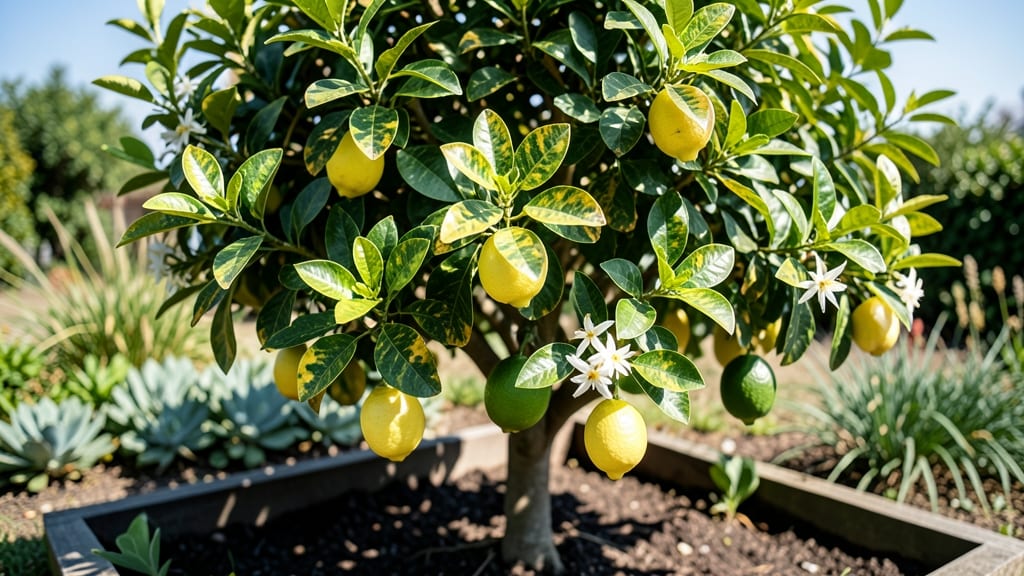
Your lemon tree’s yellow leaves with green veins scream one thing: nutrient deficiency—and it’s fixable. 🌿 I’ve nursed back more than my share of struggling citrus trees, and the first step is identifying whether it’s nitrogen, magnesium, or something else starving those leaves.
The good news? You can reverse this in weeks with the right adjustments.
Most of the time, it’s overwatering or poor drainage washing away essential nutrients like magnesium (that’s the classic yellowing with green veins). But it could also be pests like spider mites sucking the life out of leaves or a fungal infection hiding in the roots.
The key is checking the soil moisture and leaf texture—sticky, mushy leaves mean water issues; dry, brittle ones point to pests or disease.
Start by flushing the soil with water to clear excess salts, then feed your tree with a citrus-specific fertilizer (look for one with magnesium and iron). Prune any severely damaged leaves to redirect energy, and keep an eye out for spider webs or sap-sucking bugs.
Within 4-6 weeks, you’ll see those green veins darken back to vibrant green.
Prevention is simple: water deeply but only when the top 2 inches of soil are dry, and mulch to lock in nutrients. If your tree is in a pot, repot every 2-3 years to refresh the soil.
The goal? A tree so healthy it never shows those warning signs again.
Root Causes Behind Leaf Discoloration
When your lemon tree’s leaves develop vibrant yellow patches with striking green veins, it’s often a sign that something fundamental is amiss—usually tied to nutrient imbalances or environmental stressors. Let’s break down the most common culprits, why they happen, and what they mean for your tree’s health.
---
The most frequent cause of yellow leaves with green veins is a nutrient deficiency, particularly in nitrogen, magnesium, or iron.
These nutrients are essential for chlorophyll production, and when they’re lacking, the veins (which contain more robust vascular structures) stay green while the leaf tissue between them turns yellow.
#### 🌱 Nitrogen Deficiency: The Slow Fade
Nitrogen is the building block of chlorophyll, and a shortage causes uniform yellowing (chlorosis) that often starts at the older leaves and moves upward. Unlike other deficiencies, nitrogen issues rarely spare the veins entirely—though they may appear slightly paler. Over time, the leaves may also curl or drop prematurely.
- Why it happens: Poor soil quality, overwatering (which leaches nitrogen), or compacted roots that can’t absorb nutrients efficiently.
- Actionable fix: Test your soil’s pH (ideal for citrus: 6.0–7.0) and amend with organic matter like compost or a balanced fertilizer (e.g., 10-10-10). Avoid synthetic fertilizers high in salt, which can worsen root stress.
#### 💚 Magnesium Deficiency: The Interveinal Strike
Magnesium is critical for chlorophyll activation, and a deficiency causes yellowing between veins while the veins themselves remain green—a classic symptom called interveinal chlorosis. This often appears on older leaves first because magnesium is mobile in the plant and gets “stolen” from younger growth.
- Why it happens: Acidic soil (pH < 6.0) locks out magnesium, or excessive potassium/calcium in the soil competes with its uptake. Over-fertilization with nitrogen can also dilute magnesium levels.
- Actionable fix:
- Apply Epsom salt (magnesium sulfate)—mix 1 tablespoon per gallon of water and spray on leaves every 2 weeks until improvement is seen.
- Add dolomitic lime to the soil if pH is too low (test first!).
- Avoid heavy-handed potassium fertilizers (like banana peels or wood ash).
#### ⚛️ Iron Deficiency: The Young Leaf Warning
Iron is necessary for chlorophyll production, and a deficiency causes yellowing on new growth (unlike nitrogen/magnesium, which hit older leaves). The veins may stay green, but the yellowing can appear bronzy or reddish in severe cases. This is common in alkaline soils (pH > 7.0), where iron becomes unavailable.
- Why it happens: High soil pH, overwatering (which oxygenates roots poorly), or poor root health due to fungal infections or root rot.
- Actionable fix:
- Apply chelated iron (e.g., iron sulfate or iron EDTA) as a foliar spray or soil drench. Repeat every 4–6 weeks.
- Lower soil pH with elemental sulfur or peat moss if tests show alkalinity.
- Improve drainage—iron uptake requires aerated, slightly acidic soil.
---
Not all yellowing is due to nutrients—sometimes, your lemon tree’s leaves scream for help because of environmental factors that disrupt its ability to absorb or utilize what’s already in the soil.
#### 💦 Overwatering: The Silent Killer
While underwatering causes crispy edges, overwatering leads to yellow leaves with green veins because it drowns roots, preventing oxygen and nutrient uptake. The veins may stay green briefly because they’re part of the plant’s vascular system, but the tissue between them suffocates.
- Why it happens: Poor drainage, clay-heavy soil, or a pot without drainage holes. Lemon trees hate soggy feet!
- Actionable fix:
- Let the top 2–3 inches of soil dry out between waterings. Stick your finger in—if it’s damp, wait.
- Repot in well-draining citrus mix (add perlite or pumice).
- Check for root rot—if roots smell foul or are mushy, trim affected areas and repot.
#### ☀️ Sunburn or Heat Stress: Too Much of a Good Thing
Lemon trees love sunlight, but intense heat or sudden exposure to harsh rays can cause yellowing with green veins, especially on leaves facing west or south. The veins stay green because they’re slightly shaded by the leaf structure, while the exposed edges scorch.
- Why it happens: Newly transplanted trees, container-grown trees moved outside abruptly, or afternoon sun in hot climates.
- Actionable fix:
- Gradually acclimate trees to full sun over 1–2 weeks.
- Provide afternoon shade (30–50%) in extreme heat.
- Mulch the root zone to regulate soil temperature.
#### 🐛 Pests and Pathogens: The Silent Saboteurs
Certain pests and diseases block nutrient flow or damage roots/leaves, leading to yellowing with green veins. Common culprits include:
- Root-knot nematodes: Microscopic worms that pierce roots, reducing water/nutrient uptake. Leaves yellow but veins stay green.
- Scale insects or aphids: Sap-sucking pests that clog stomata, causing stress and chlorosis.
- Fungal infections (e.g., phytophthora): Rot roots or block vascular tissue, leading to nutrient starvation.
Why it happens: Poor soil health, overwatering, or lack of pest monitoring.
Actionable fix:
- Inspect roots/pots for galls (nematodes) or sticky residue (pests).
- Treat with neem oil (for pests) or fungicide (for root rot).
- Improve soil health with beneficial microbes (mycorrhizal fungi).
---
💡 Pro Tip: Before diagnosing, rule out one cause at a time. Test soil, check watering habits, and inspect for pests—your lemon tree’s symptoms are its way of telling you exactly what’s wrong!
Revive Your Lemon Tree Naturally
Now that you understand why your lemon tree’s leaves are turning yellow with green veins, it’s time to take action! The good news? Most of these issues are fixable with simple, targeted care.
Below, we’ve broken down practical solutions for each common cause, along with prevention tips to keep your tree thriving. Let’s get your lemon tree back to its vibrant, fruit-bearing best!
---
#### 1. Iron Chlorosis (Yellow Leaves, Green Veins) 🔥 If your lemon tree’s leaves are pale yellow with green veins, iron deficiency (iron chlorosis) is likely the culprit. This is especially common in alkaline soils or when roots struggle to absorb iron.
How to Fix It: ✅ 🍳 Apply Chelated Iron Supplement - Use a chelated iron fertilizer (like iron sulfate or iron EDTA) every 4–6 weeks during growing season (spring to fall). - Follow package instructions—overdoing it can harm roots. - Pro Tip: 💡 Mix with water and apply directly to the soil around the root zone (not the leaves).
✅ 🌡️ Adjust Soil pH (If Needed) - Test your soil’s pH (ideal for citrus: 6.0–7.0). - If it’s too alkaline (above 7.0), amend with elemental sulfur or peat moss to lower pH gradually. - Warning: ⚠️ Don’t raise pH—citrus hates acidic soil!
✅ 👨🍳 Improve Drainage & Aeration - Lemon trees hate waterlogged roots. Ensure pots have drainage holes and outdoor trees are planted on a slight slope. - Loosen soil around roots with a fork to encourage better nutrient uptake.
Prevention Tips: 🔹 Mulch with compost to retain moisture and nutrients. 🔹 Water deeply but infrequently—avoid soggy soil. 🔹 Use rainwater (if possible)—it’s naturally softer and better for iron absorption.
---
#### 2. Overwatering or Poor Drainage 💦 Yellowing leaves with green veins can also signal root stress from too much water or compacted soil.
How to Fix It: ✅ 🔪 Let the Soil Dry Out - Stick your finger 2 inches into the soil—if it’s damp, wait before watering. - Lemon trees prefer slightly dry soil over soggy conditions.
✅ 🏗️ Upgrade Your Pot or Soil - If potted, repot in fresh, well-draining citrus mix (add perlite or sand). - For outdoor trees, amend heavy clay soil with compost or coarse sand.
✅ ⏰ Check Drainage Holes - Ensure pots have multiple drainage holes—no exceptions! - Place pots on elevated trays to catch excess water.
Prevention Tips: 🔹 Water only when the top 1–2 inches of soil are dry. 🔹 Avoid saucers under pots—they trap water and rot roots. 🔹 Use a moisture meter for accuracy (especially in humid climates).
---
#### 3. Pests or Fungal Issues 🐜 Sometimes, spider mites, scale insects, or fungal diseases (like root rot) cause stress, leading to yellowing leaves.
How to Fix It: ✅ 👨🔬 Inspect for Pests - Check undersides of leaves for tiny webs (mites), sticky residue (aphids), or bumps (scale). - Blast off pests with a strong spray of water or use neem oil (1 tsp per quart of water, spray weekly).
✅ 🌿 Treat Fungal Issues - If leaves have black spots or a foul smell, it could be root rot. - Trim affected roots, repot in fresh, sterile soil, and reduce watering.
✅ 🌡️ Boost Tree Health - Fertilize lightly with a balanced citrus fertilizer (10-10-10) to strengthen immunity. - Prune dead/diseased branches with sterilized shears.
Prevention Tips: 🔹 Quarantine new plants for 2 weeks before introducing them to your lemon tree. 🔹 Keep the area around the tree clean—remove fallen leaves/debris. 🔹 Avoid overhead watering—water at the base to prevent fungal spores.
---
#### 4. Environmental Stress (Sun, Wind, or Temperature Shocks) 🌞 Sudden changes in light, wind exposure, or temperature can cause leaf discoloration.
How to Fix It: ✅ 🌿 Adjust Light Exposure - Lemon trees need 6+ hours of sunlight daily. - If indoors, move to a sunnier spot or use grow lights. - Pro Tip: 💡 Rotate the pot weekly for even growth.
✅ 🌬️ Protect from Harsh Winds - If outdoors, plant near a windbreak (like a fence or other trees). - For potted trees, place in a sheltered spot.
✅ 🌡️ Acclimate Gradually to Temperature Changes - Avoid sudden cold snaps—move potted trees indoors if temps drop below 40°F (4°C). - If moving outdoors, harden off slowly over 1–2 weeks.
Prevention Tips: 🔹 Use shade cloth in extreme heat (but ensure it’s still bright). 🔹 Mulch outdoor trees to regulate soil temperature. 🔹 Monitor weather forecasts and act early if frost is predicted.
---
Before you call it a day, run through this quick health audit: ✔ Soil: Well-draining, slightly acidic (pH 6.0–7.0). ✔ Water: Only when topsoil is dry—no soggy roots! ✔ Fertilizer: Balanced citrus feed + chelated iron if needed. ✔ Pests: None in sight (neem oil on standby). ✔ Light: Bright but not scorching (morning sun is ideal).
--- 🌟 Remember: Consistency is key! Lemon trees respond best to steady care rather than quick fixes. With these steps, your tree should regain its lush green leaves in 4–8 weeks. Stay patient, and soon you’ll be harvesting juicy, homegrown lemons! 🍋✨
Frequently asked questions
Why do my lemon tree leaves stay green along the veins but turn yellow?
This classic pattern is called interveinal chlorosis and usually signals a magnesium or iron deficiency. The veins stay green because they contain more vascular tissue, while the leaf tissue between them lacks chlorophyll due to nutrient starvation. Check if your soil is too alkaline (pH > 7.0) or if you've been overwatering—both can block nutrient uptake.
Can I fix yellow leaves with green veins just by adding Epsom salt?
Epsom salt (magnesium sulfate) helps for magnesium deficiency, but it’s just one piece of the puzzle. Mix 1 tablespoon per gallon of water and spray leaves every 2 weeks, but also test your soil pH and improve drainage. If the problem persists, you may need chelated iron or a balanced citrus fertilizer.
How long does it take to see improvement after treating nutrient deficiencies?
With proper care, you should see new growth returning to vibrant green in 4-6 weeks. Older leaves with severe yellowing may not recover, so prune those to redirect energy. Consistency is key—keep applying treatments (like Epsom salt or iron supplements) until you see 2-3 healthy new leaves forming.
Could my lemon tree's yellow leaves be from overwatering instead of nutrients?
Overwatering causes root suffocation, which prevents nutrient absorption—even if nutrients are present. Check if the soil stays soggy for more than 24 hours after watering. Improve drainage by repotting in well-draining mix and only water when the top 2 inches are dry.
What's the difference between nutrient deficiency and pest damage causing yellow leaves?
Pest damage (like spider mites or scale) often shows sticky residue, tiny webs, or curled leaves alongside yellowing. Nutrient deficiencies cause uniform yellowing with green veins without physical damage. Inspect leaves closely—pests leave visible signs, while deficiencies don't. For pests, neem oil is your best friend!