
Lawn
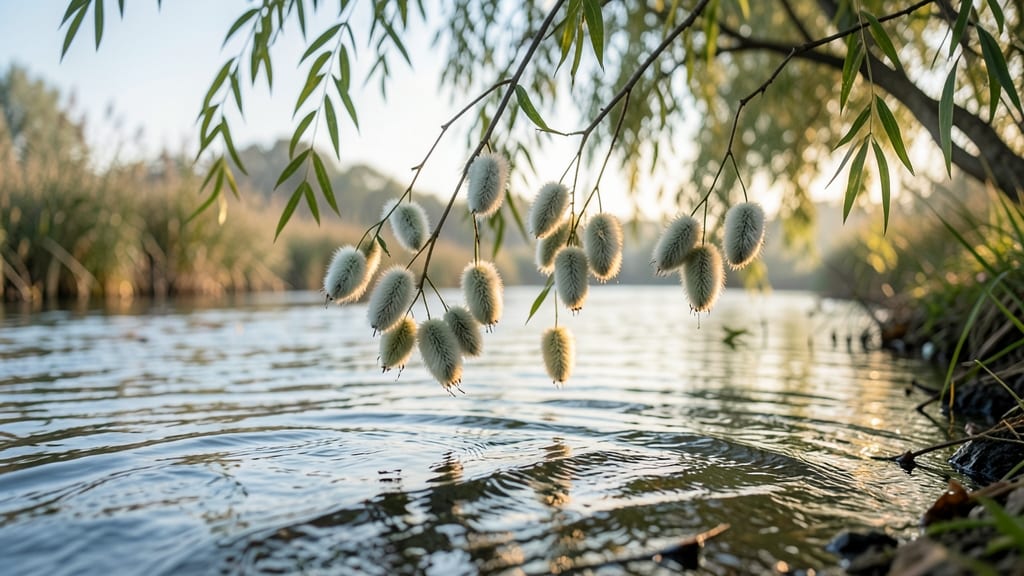
Struggling to identify that strange seed pod lying on your garden path? These 10 distinctive tree seed pods offer visual clues to help you name mystery trees with confidence, even if you're not a botanist.
Maple Helicoid Seed Pods
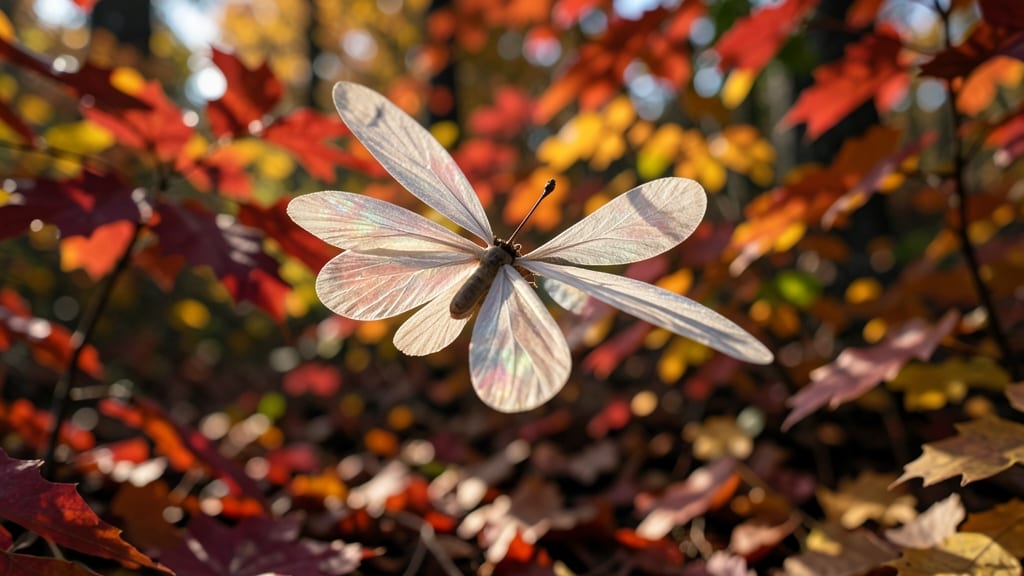
Spot those whirling "helicopters" in your yard? Those are maple helicoid seed pods, nature’s way of identifying sugar, red, or silver maples—and they’re a dead giveaway for fall’s most vibrant foliage.
Each pod has two wings that spin as they fall, carrying seeds away from the tree. The wing shape and size vary slightly: sugar maples have broader wings, while red maples’ are narrower. These pods also hint at the tree’s value—sugar maples are famous for their edible sap, perfect for tapping in early spring.
For beginners or urban gardeners, spotting these pods is your shortcut to knowing which maple species graces your neighborhood. Plus, they’re a fun autumn activity for kids to spot while learning about trees! 🌟
Oak Acorn Capsules
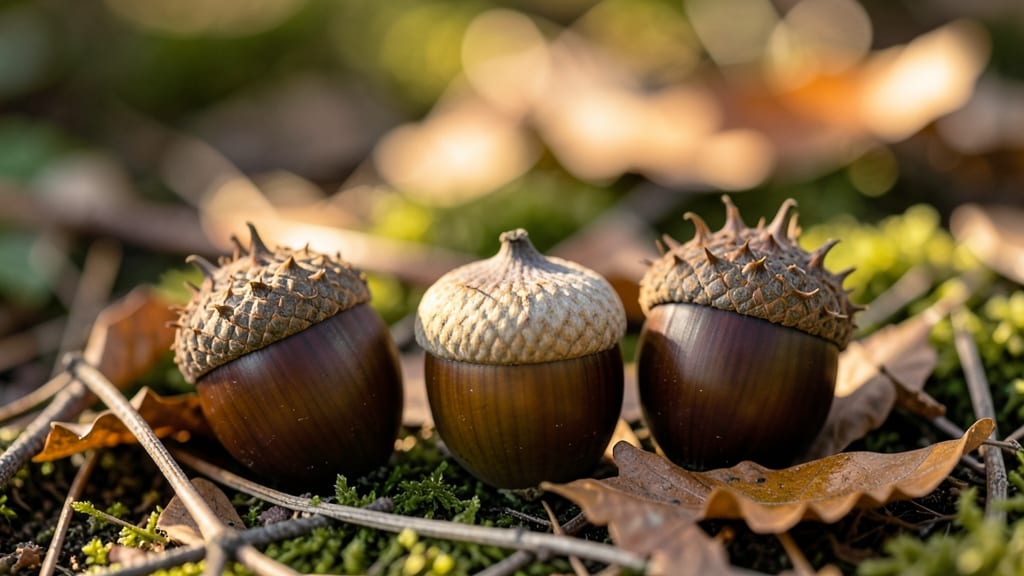
If you’ve ever spotted acorns with their signature spiky caps and wondered which oak tree they came from, those distinctive caps are your secret weapon for identification. Unlike other seed pods, oak acorns have protective caps that vary dramatically between species—white oak acorns feature flat, rounded caps, while red oak acorns have pointed, cone-like tips. This tiny detail is often the key to telling them apart.
These spiky caps aren’t just for show—they shield the acorn from wildlife like squirrels and deer, increasing the chances of successful germination. Collect acorns in late fall when caps are still attached, then use a magnifying glass to examine their shape. White oak caps are smoother, while red oak caps have a more pronounced, almost "hat-like" structure. This distinction helps you determine whether you’re dealing with a fast-growing red oak or a long-lived white oak.
For gardeners and nature enthusiasts, mastering this skill is invaluable—it helps you identify oak trees in your area, plan for future shade, or even propagate new trees. Plus, it’s a fun way to connect with the natural world around you. 🌿
Dandelion Seed Pods
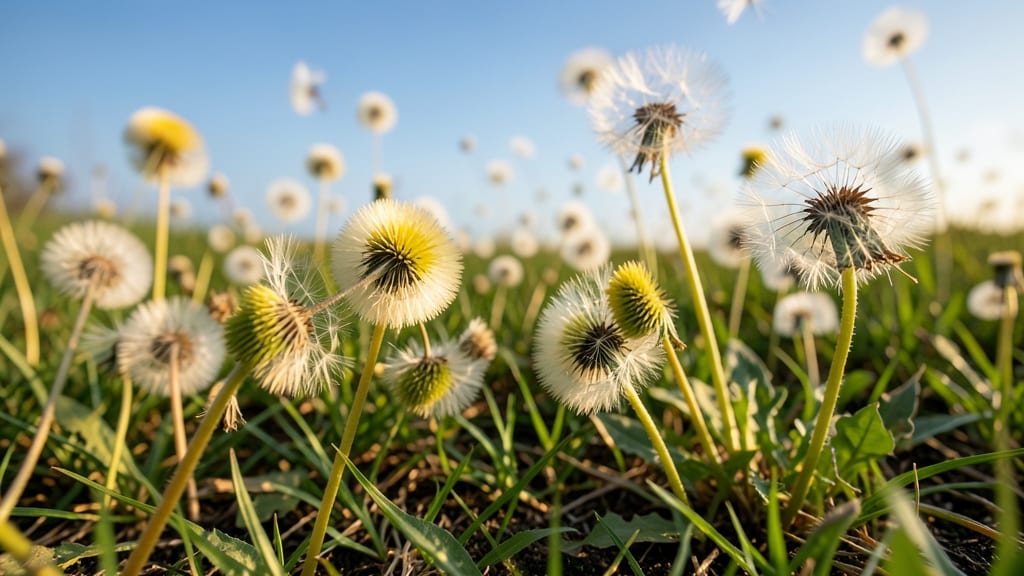
Those iconic white puffballs drifting through the air aren’t from a tree—but they’re often mistaken for them. Dandelion seed pods are nature’s way of signaling soil health and invasive species presence, making them a gardener’s secret soil detective.
The spherical seed heads transform from bright yellow flowers into fluffy white globes, each containing hundreds of tiny seeds. When mature, a gentle breeze releases these seeds, creating the classic dandelion "clock." Their presence often indicates compacted or nutrient-rich soil, while aggressive spread may suggest invasive species dominance in your landscape.
Urban gardeners and lawn care enthusiasts can use dandelion pods to assess soil quality—pulling them before they seed helps maintain balance. 🌱
Sweet Gum Spiky Seed Balls
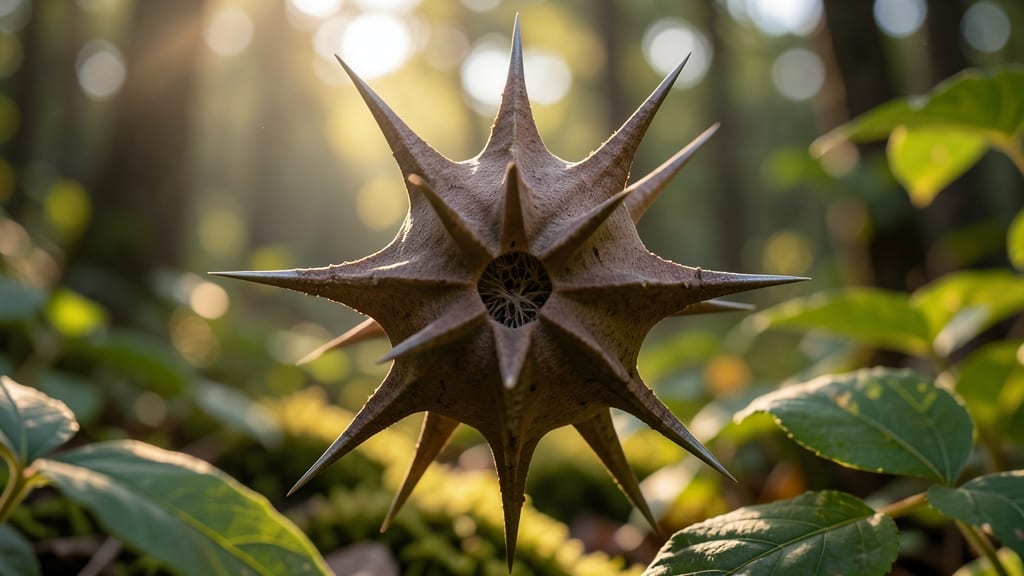
Spotting these star-shaped seed balls with sharp, rigid spikes is like finding a botanical puzzle—each one is a clue pointing to a fast-growing sweet gum tree thriving nearby. Unlike other seed pods, these aren’t soft or fluffy; they’re armored with 5-6 pointed projections, making them instantly recognizable even from a distance.
The sweet gum tree (Liquidambar styraciflua) produces these pods in late summer, and they often litter sidewalks and parks in cities where the tree is planted for its drought-tolerant shade. If you see them clustered on the ground, you’re likely near a tree that grows 60-75 feet tall with striking fall foliage—though those spikes can be messy to rake up! For urban gardeners, this is a great way to spot a tree that thrives in heat and poor soil. 🌟
Pine Cones with Seed Pods
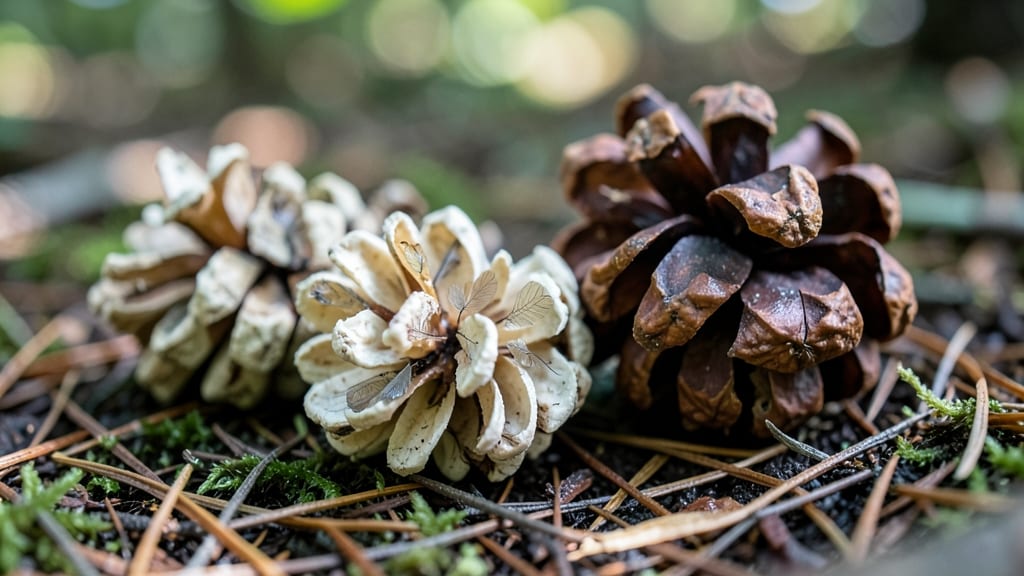
Ever wondered how to tell a white pine from a red pine just by looking at its seed pods? The answer lies in the pine cone itself—where each species has its own unique winged seed signature.
Pine cones hold tiny, winged seeds that vary in size and shape by species. White pine cones are smaller with softer, more flexible scales, while red pine cones are larger and stiffer. Ponderosa pine cones stand out with their massive size and thick, overlapping scales. These differences help you identify the tree without needing leaves or bark clues.
For gardeners or forest enthusiasts, mastering pine cone identification is a game-changer—especially when planning for shade trees or native plant restoration. 🌟
Honey Locust Seed Pods
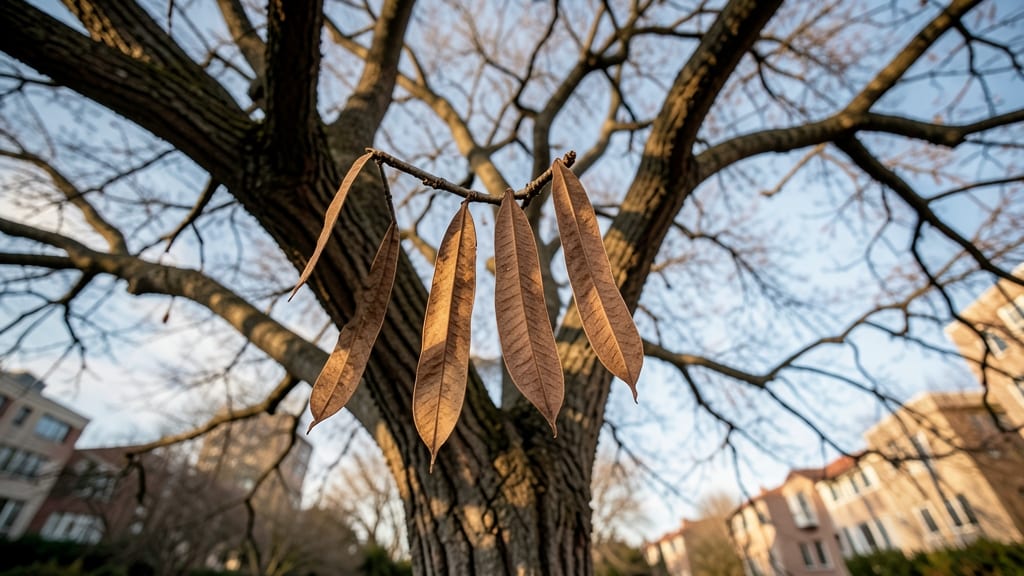
Spotting these flat, elongated pods clustered along branches? You’ve likely found a honey locust tree—a hardy urban favorite that thrives in tough conditions. Unlike other seed pods, honey locust pods are papery and brown, often 8–12 inches long, with tiny seeds inside that rattle when shaken.
These pods are a dead giveaway for identifying drought-resistant honey locusts, which are prized for their fast growth and ability to tolerate poor soil and urban pollution. They typically appear in late summer to fall, making them a seasonal clue for city gardeners and landscapers. The tree’s thorny branches and compound leaves further confirm the ID.
If you’re planting urban landscapes or restoring degraded soils, honey locusts are a low-maintenance choice that supports wildlife while requiring minimal care. 🌟
Ash Tree Samara Seed Pods
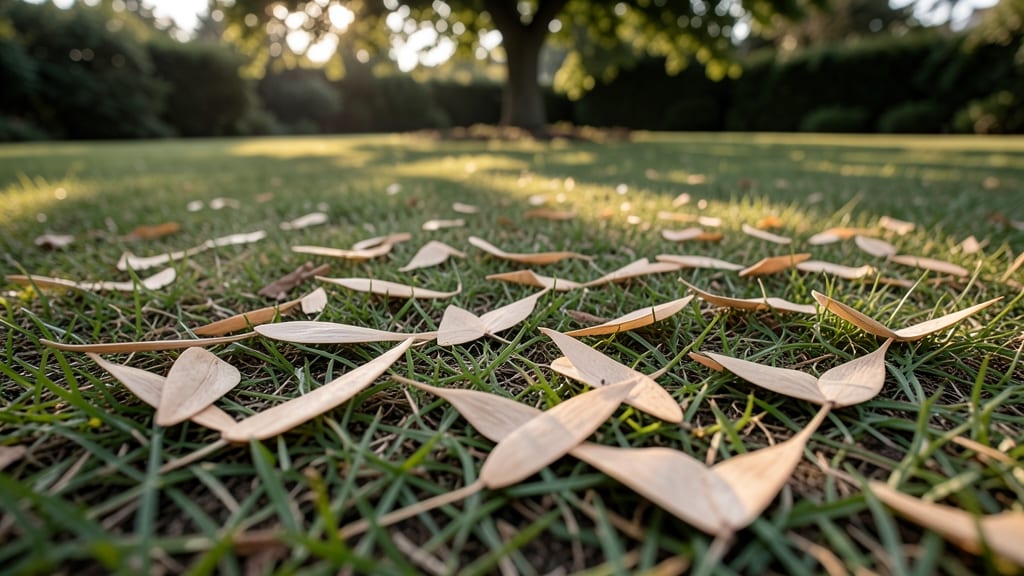
Spotting these light brown, elongated pods with single-seeded wings scattered on your lawn? You’ve likely found ash tree samaras—nature’s way of identifying these ecologically vital trees. Unlike maple pods, ash samaras are straighter and more papery, often found in clusters after summer.
Ash trees are a wildlife magnet, providing food for birds and mammals while their wood is prized for furniture and baseball bats. If you’re in an urban area, these pods may signal a drought-tolerant tree that thrives in city landscapes. Collect them in late summer for potential propagation, though note that some ash species are threatened by invasive pests.
Recognizing these pods helps you spot ash trees—critical for both ecosystems and timber industries. 🌱
Birch Winged Seed Pods
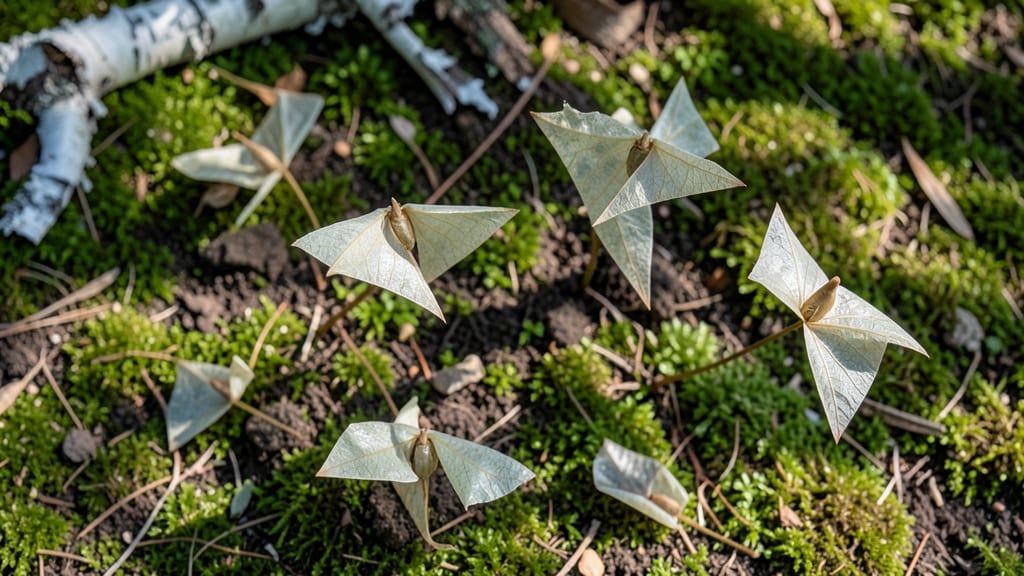
Ever spotted tiny, triangular-winged seed pods fluttering to the ground and wondered which tree they came from? These delicate birch winged seed pods are your clue—each one attached to a seed like a paper airplane, ready to drift away on the breeze.
Birch trees are easy to spot with their signature peeling bark, but their seed pods are the real giveaway. The triangular wings help the seeds disperse efficiently, while the pods themselves are small, papery, and often found in clusters. If you see these near a tree with white or silver bark, you’ve likely found a paper birch or yellow birch, both prized for their shade and wildlife benefits.
These pods are especially helpful for urban gardeners or nature lovers identifying trees in parks or forests. Plus, birch trees thrive in a variety of conditions, making them a great addition to any landscape. 🌱
Elm Seed Pods with Samaras
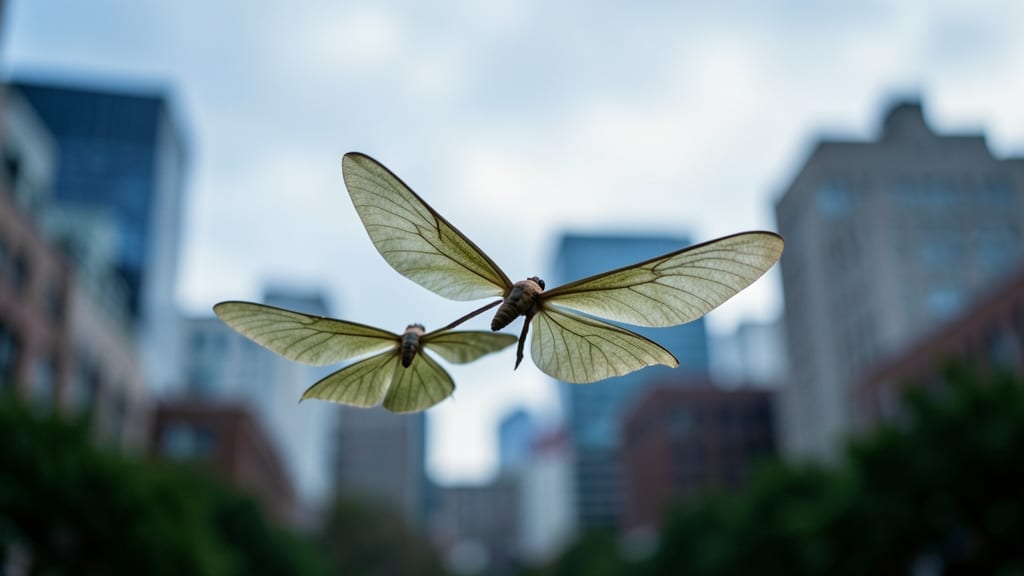
Ever spotted a seed pod that seems to glide through the air like a tiny helicopter? Those double-winged samaras belong to elm trees, which are the unsung heroes of urban forests. Their distinctive spinning motion makes them easy to spot in parks and city streets.
Elm samaras have two equal wings that create a balanced, symmetrical shape, unlike the single-winged pods of maples. These pods indicate the presence of elm trees, which provide critical shade and habitat for wildlife. However, be aware that many elms are susceptible to Dutch elm disease, so identifying them can help you monitor tree health in your area.
Urban gardeners and tree enthusiasts will appreciate knowing these pods—spotting them is your first clue to the presence of these majestic, disease-vulnerable trees. 🌱
Willow Catkin Seed Pods

If you’ve ever spotted soft, cotton-like clusters drifting near waterways, those aren’t dandelions—they’re willow catkin seed pods. These fuzzy, wind-dispersed pods are nature’s way of identifying willow trees, which are masters of erosion control and wetland stabilization.
The pods appear in late winter or early spring, hanging in drooping clusters before releasing tiny seeds on the breeze. Willow trees thrive in moist soil and along streambanks, making these pods a dead giveaway for their presence. Unlike other seed pods, willow catkins are non-woody and silky**, often mistaken for decorative fluff. Their unique texture helps distinguish them from maple or elm samaras.
For gardeners restoring shorelines or wetland areas, spotting these pods is a sign you’ve found a tree that stabilizes soil and supports wildlife. 🌿