Pests and Diseases
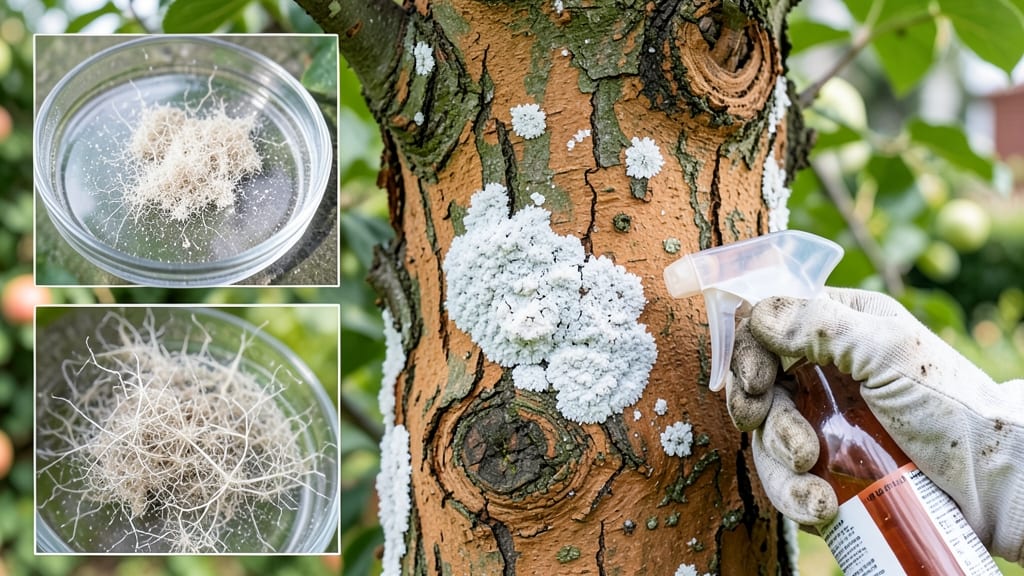
That white fungus creeping up your apple tree bark isn't just unsightly—it could be lichen or powdery mildew, and both need attention before they spread to leaves and fruit. 🌿 I've seen it turn a healthy orchard into a ghostly white mess if ignored, but the good news?
Most cases are treatable with simple organic methods before they become a major problem.
The culprit is usually too much moisture, poor airflow, or old bark that's trapped moisture against the trunk. Lichen is harmless but ugly, while powdery mildew can weaken branches and reduce fruit quality. The key difference? Lichen stays put, while mildew spreads like powdered sugar when you brush it.
You can scrub off lichen with a stiff brush and water, then seal the bark with pruning paint to prevent regrowth. For mildew, a neem oil spray or baking soda mixture (1 tablespoon per quart of water) applied every 7-10 days will stop it in its tracks within 2-3 weeks.
If the fungus keeps coming back year after year or you see black spots on leaves, it might be time to call an arborist—some deep-rooted issues need professional diagnosis. The sooner you act, the sooner your tree can bounce back to full health.
Understanding The Root Causes
White fungus on apple tree bark isn’t just an unsightly problem—it’s a sign of underlying stress or infection that can weaken your tree over time. Understanding why it happens is the first step to preventing it from spreading and damaging your orchard.
Below, we break down the most common culprits, from environmental factors to biological invaders, so you can take targeted action.
Fungi thrive in damp, humid conditions, and apple trees are particularly susceptible when their bark stays wet for prolonged periods. Here’s how moisture triggers white fungal growth:
- Overwatering or heavy rainfall: Apple trees need consistent moisture, but standing water on the bark creates the perfect breeding ground for fungal spores. Poor drainage in the soil or compacted roots can trap excess water near the trunk.
- High humidity: Fungi like Nectria or Botryosphaeria (common bark pathogens) spread rapidly when relative humidity stays above 75% for days. This is especially true in shaded or poorly ventilated orchards.
- Irrigation practices: Drip irrigation or overhead sprinklers that wet the bark (rather than the soil) can encourage fungal growth. Pro tip: Aim water at the base of the tree, not the trunk, and water early in the day to allow foliage to dry.
💡 Actionable fix: Improve soil drainage by amending with compost or sand, and prune branches to enhance airflow around the trunk. If possible, avoid watering in the evening.
Not all white fungi are created equal. Some are harmless (like lichens), while others are aggressive pathogens that can kill your tree if left unchecked. Here’s how they infect apple bark:
| Fungal Type | How It Spreads | Signs to Watch For |
|---|---|---|
| Nectria canker | Spores spread via wind, rain, or contaminated pruning tools. Weakened trees (from stress or injury) are prime targets. | White, fluffy fungal growth on cracks or wounds, followed by sunken, oozing cankers. |
| Silver leaf fungus (Chondrostereum purpureum) | Enters through pruning cuts or bark injuries. Common in older orchards with poor sanitation. | White mycelial mats on bark, then dark streaks in the wood. Leaves may turn silvery. |
| Botryosphaeria canker | Thrivess in hot, dry conditions. Spreads via infected nursery stock or splashing water. | White to gray fungal mats near branch unions, leading to dieback. |
🔥 Key takeaway: Fungal infections often start at wounds (from pruning, hail, or animal damage). Always sterilize tools with 70% rubbing alcohol to prevent cross-contamination.
Apple trees under stress are like open doors for fungi. When environmental conditions push a tree past its limits, its natural defenses drop, making it vulnerable to infection. Common stressors include:
- Extreme temperature swings: Sudden freezes or heatwaves can damage bark, creating entry points for fungi. Young trees or those recovering from winter are especially at risk.
- Nutrient deficiencies: Low nitrogen or potassium weakens cell walls, making bark more susceptible to fungal colonization. Test your soil! A simple at-home kit can reveal imbalances.
- Competition from weeds or grass: Roots competing for water and nutrients stress the tree, reducing its ability to fight off pathogens. A thick mulch layer (3–4 inches) helps retain moisture without smothering the trunk.
- Physical damage: Scratches from lawnmowers, animal rub marks, or even bird pecking can create wounds where fungi take hold.
✨ Preventative tip: Wrap young apple trees with tree guard (a flexible plastic wrap) in late winter to protect bark from sunscald and rodent damage.
Some fungi don’t act alone—they hitchhike on pests that weaken the tree first. Here’s how insects and animals pave the way for white fungal growth:
- Bark-boring insects (e.g., flatheaded borers): These pests tunnel into the cambium layer, creating wounds that fungi like Nectria exploit. Look for sawdust-like frass at the base of the tree.
- Rodents (mice, voles): Gnawing on bark for winter food strips protective layers, leaving raw tissue exposed to spores. Pro tip: Use hardware cloth wrapped around the trunk to deter chewers.
- Scale insects or aphids: While they don’t damage bark directly, their honeydew secretions can promote sooty mold—a black fungus that signals an underlying pest problem.
🎯 Solution: Monitor for pest activity with sticky traps or by inspecting bark for frass or eggs. Early intervention (like applying horticultural oil) can prevent fungal takeovers.
Quick Fixes for Tree Bark Fungus
If you’ve spotted that unsightly white fungus creeping up your apple tree bark, don’t panic—there are practical ways to tackle it before it spreads. The key is identifying the root cause (whether it’s environmental, fungal, or pest-related) and applying the right treatment.
Below, we break down cause-specific solutions, from immediate fixes to long-term prevention, so you can restore your tree’s health without stress.
---
Fix: Improve airflow and reduce excess moisture around the tree.
White fungal growth often thrives in damp, shaded conditions. To combat this:
- 🌬️ Prune nearby branches to increase airflow and sunlight exposure. Aim for a balanced canopy—thin out dense foliage to let light and air circulate.
- 💦 Adjust watering habits—water at the base of the tree (not the bark) in the morning so foliage dries quickly. Avoid overhead sprinkling.
- 🌳 Mulch properly—use 3–4 inches of organic mulch (like wood chips) but keep it 6 inches away from the trunk to prevent moisture buildup.
Pro Tip: 🌡️ If your region has high humidity, consider installing a tree guard (a mesh wrap) to shield the bark from prolonged dampness.
---
Fix: Apply targeted fungicides and clean the bark.
If the white fungus is a powdery mildew or lichen infection, act fast:
- 🧼 Scrub gently—use a soft brush or cloth dipped in a mix of 1 part water + 1 part hydrogen peroxide (3%) to remove surface growth. Avoid harsh scrubbing to prevent bark damage.
- 💊 Use fungicidal sprays—opt for neem oil, copper fungicide, or sulfur-based sprays (follow label instructions). Reapply every 7–10 days during wet seasons.
- 🌿 Boost tree immunity—fertilize with balanced organic fertilizer (like 10-10-10) in early spring to strengthen the tree’s defenses.
Pro Tip: ✨ For lichen, avoid chemical treatments—it’s usually harmless and dies back on its own when conditions dry out.
---
Fix: Eliminate pests and repair damage.
If insects like aphids, scale, or bark beetles are the culprit, they may leave sticky residue that fuels fungal growth. Here’s how to handle it:
- 🐜 Identify the pest—check for tiny holes, sawdust-like frass, or webbing on the bark. Common offenders include apple borers or woolly aphids.
- 🔥 Apply horticultural oil or insecticidal soap—spray in early morning or late evening to avoid harming bees. Reapply as needed.
- 🛠️ Seal minor wounds—if bark is peeling or cracked, apply pruning sealant to prevent entry points for pests and fungi.
Pro Tip: 🎯 For severe infestations, consult a local cooperative extension service for targeted treatments.
---
Fix: Create an unwelcoming environment for fungi and pests.
Once your tree is healthy, keep it that way with these low-maintenance habits:
- 🌞 Maximize sunlight—plant sun-loving companions (like lavender or thyme) near the base to deter moisture buildup.
- 🍂 Clean up debris—remove fallen leaves, fruit mummies, and dead branches in autumn to reduce fungal spores.
- 📅 Monitor regularly—inspect the bark monthly, especially after rain. Early detection = easier fixes!
- 🌱 Improve soil drainage—if your tree sits in a low spot, consider raising the soil level slightly or installing a French drain.
Pro Tip: 💡 Compost tea (brewed from worm castings) can be a natural fungicide—spray it on leaves and bark as a preventive measure.
---
Remember: Most white fungus issues are manageable with consistent care. The sooner you act, the healthier your apple tree—and your future harvest—will be! 🍏🌿
Frequently asked questions
Is white fungus on apple tree bark always harmful?
Not all white growth is dangerous. Lichen is harmless and often just a sign of moisture-loving conditions, though it can look alarming. The real concern is powdery mildew or canker fungi like Nectria, which spread aggressively and can weaken your tree. Check for other symptoms like oozing bark or leaf discoloration to determine if action is needed.
How do I tell if the white fungus is spreading to my tree's fruit?
Watch for powdery white patches on leaves or fruit first—this is the classic sign of mildew spreading. If you see black spots developing on apples or stunted growth in branches, the fungus has likely moved beyond just the bark. Remove affected fruit immediately and treat the tree with neem oil or copper fungicide to prevent further spread.
Can I use vinegar to remove white fungus from apple tree bark?
White vinegar can help in small doses—mix 1 part vinegar with 3 parts water and spray lightly on the bark (avoid leaves). However, it's not a long-term solution for fungal infections like Nectria canker. For persistent issues, use neem oil or baking soda spray instead, as they're safer for the tree's overall health. Test a small area first!
Will pruning help stop white fungus from spreading?
Prune to improve airflow—remove dense branches that trap moisture and create shaded areas where fungi thrive. Always sterilize your pruning tools with rubbing alcohol between cuts to prevent spreading spores. Focus on thinning out rather than just removing dead wood, and prune during dry weather to minimize fungal exposure.
When should I call a professional arborist?
If the white fungus is spreading rapidly, causing large cankers on the bark, or your tree shows signs of dieback (dead branches), it's time to call an expert. Also seek professional help if home treatments fail after 3-4 weeks or if you suspect silver leaf fungus, which can be deadly. Early intervention saves your tree!