
Lawn
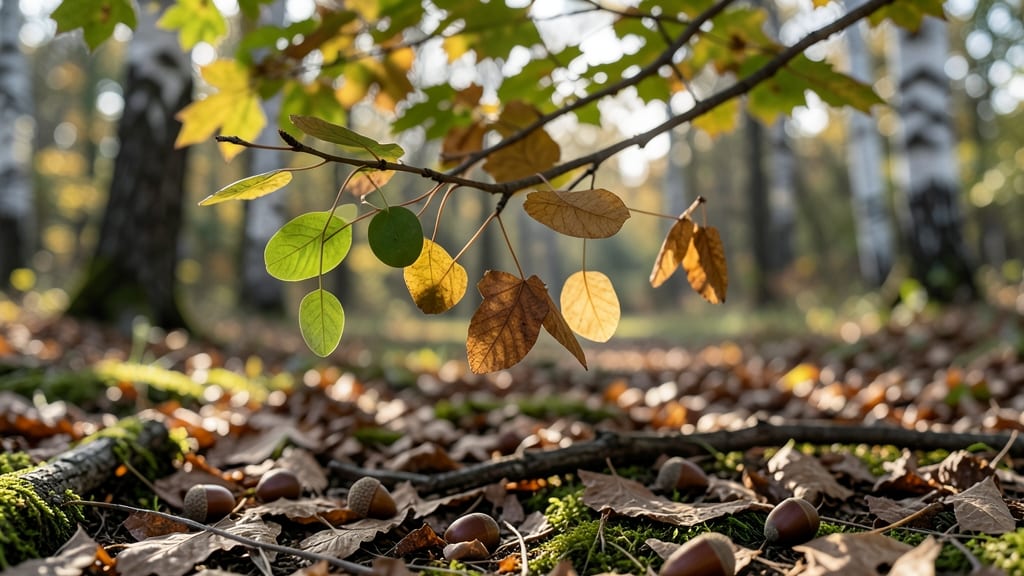
Those whirring helicopter seeds aren’t just autumn’s whimsy—they’re the identification of maple tree seed pods, and knowing their shapes helps you spot the tree before the leaves fall. 🌿 Sugar maples produce v-shaped wings that spin gracefully, while silver maples have longer, straighter wings that flutter like tiny airplanes.
The difference matters if you’re deciding whether to plant a tree or deal with invasive roots.
Timing is key: samaras appear in late spring to early summer, when the trees are still leafy but pods are fresh. Compare them to ash keys (single-seeded, papery) or elm samaras (flatter, less pronounced wings).
A quick field test—toss one in the air—reveals how maple wings spin like helicopters, while others just flutter.
Why does this matter? Sugar maples grow into iconic shade trees, while silver maples can become messy invaders. Collecting seeds from the right species ensures you’re planting a tree that fits your yard—not your neighbor’s complaints. Grab a bag next time you see these pods swirling in the breeze.
Pro tip: Look for seed clusters at the branch tips—maples hang their samaras in tight groups, unlike ash trees, which space theirs out. Now you’ll never mistake a maple for anything else, and your yard (or garden) will thank you for the distinction.
Nature’s Design Behind Seed Pods
Maple tree seed pods, known as samaras, are one of nature’s most fascinating adaptations. Their unique shape and structure aren’t just for show—they’re the result of evolutionary biology, physics, and environmental pressures.
Understanding why these pods form the way they do helps explain their role in tree reproduction and survival. Here’s why maple seed pods develop their signature shapes and colors:
Maple samaras are masterpieces of wind dispersal. Their distinctive winged shape isn’t random—it’s a product of natural selection favoring seeds that can travel farther from the parent tree. The wings create lift and stability, allowing the seeds to spin like helicopters as they fall.
This motion, called autorotation, helps them glide efficiently in the wind, reducing the risk of landing too close to the tree (where competition for resources would be fierce).
Key factors at play:
- Wing Surface Area: Larger wings increase drag, slowing descent and extending flight distance. Species like the sugar maple (Acer saccharum) have broader wings for longer flights.
- Seed Weight: Lighter seeds (with thinner wings) travel farther but may struggle in gusty conditions. Heavier seeds (like those of the box elder (Acer negundo)) have shorter, sturdier wings.
- Helical Twist: The slight spiral of the wing forces the seed to rotate, stabilizing its flight—like a paper airplane’s twist.
💡 Pro Tip: If you’ve ever noticed samaras landing in a spiral pattern on the ground, thank their aerodynamic design! This isn’t just random—it’s proof of their flight efficiency.
The color and texture of samaras also serve critical functions beyond aesthetics. While green or brown pods might seem dull, their hues and coatings are strategic adaptations for survival:
- Green Pods (Early Stage): Young samaras are often green because chlorophyll helps the seedling photosynthesize before it hits the ground. This gives it a head start in low-light conditions.
- Brown/Red Pods (Mature Stage): As they dry out, the pods turn brown or even red (like in red maple (Acer rubrum) samaras). This color shift signals maturity and often indicates the seed is ready to disperse. Some research suggests red pigments may also attract animals that aid in secondary dispersal (e.g., birds eating the seeds and depositing them elsewhere).
- Hard, Woody Texture: The tough outer shell protects the seed from predators, drought, and physical damage during its journey. Without this armor, many samaras would be lost to squirrels, insects, or harsh weather.
🔍 Science Note: Some maple species, like the silver maple (Acer saccharinum), produce samaras with a papery texture that degrades faster in water. This helps them float briefly, increasing their chances of landing in moist soil—ideal for germination.
Not all samaras look the same, and their variations often reflect the health of the tree and local environmental conditions:
| Factor | Effect on Seed Pods | Why It Matters |
|---|---|---|
| Nutrient Availability | Smaller, underdeveloped wings or seeds | Poor soil or drought stress can limit the tree’s energy output, resulting in weaker samaras that may not disperse effectively. |
| Pest or Disease Attack | Deformed, stunted, or discolored pods | Fungal infections (like tar spot) or insect damage (e.g., maple seed moths) can warp samaras, reducing their flight capabilities. |
| Competition for Sunlight | Thinner wings or fewer pods per branch | Shady conditions force trees to prioritize fewer, higher-quality samaras over quantity, as energy is conserved for survival. |
| Climate and Pollination Success | Variations in pod density and color | Warm springs may lead to earlier, more abundant samaras, while cold snaps can delay or reduce production. |
🌡️ Climate Connection: In some years, you might notice abundant samaras—this often follows a mast year, when maple trees produce a massive crop of seeds to overwhelm predators and ensure survival. This happens roughly every 2–10 years, depending on the species.
In short, every twist, turn, and color of a maple samara is a deliberate survival strategy. From their helicopter-like flight to their protective coatings, these seed pods are a testament to nature’s engineering prowess.
Next time you spot one spiraling to the ground, take a moment to appreciate the science behind its journey!
Quick Fixes for Maple Seed Pods
Maple seed pods—those iconic "helicopters"—can be a beautiful sight in autumn but may also become a nuisance when they clutter your yard, clog gutters, or create slippery surfaces.
Whether you’re dealing with an overabundance of samaras or just want to manage them better, here’s how to tackle the issue with practical, easy-to-follow solutions.
Cause: Maple trees produce an enormous number of seed pods (samaras) each fall, often more than your yard can handle. Fix:Start by removing excess pods before they become a mess. Here’s how:
- 🗑️ Rake and Bag: Use a leaf rake to gather pods into piles, then place them in compost bags or trash bins. Wear gloves to avoid skin irritation from sap.
- 🚿 Hose Them Down: If pods are stuck to surfaces (like decks or driveways), spray them with water to loosen their grip before sweeping.
- 🌿 Mulch Them: Instead of throwing them away, shred the pods with a mulching mower and spread them as mulch around garden beds (they’ll decompose naturally).
💡 Pro Tip: Time your cleanup for late fall or early winter when pods are dry and easier to remove. Avoid doing this in wet conditions, as the sap can be sticky and messy.
Cause: Seed pods accumulate in gutters, downspouts, and storm drains, causing water damage or flooding. Fix:Keep your drainage systems clear with these steps:
- 🔧 Clean Gutters Regularly: Use a gutter scoop or wet/dry vacuum to remove pods before they trap moisture and cause rot. Schedule cleanings every 2–4 weeks during peak samara season.
- 🛡️ Install Gutter Guards: Mesh or foam guards can block large debris (like samaras) while allowing water to flow freely. Brands like Gutterglove or LeafFilter work well.
- 💦 Check Downspouts: Ensure downspouts are angled away from your foundation and extend at least 5 feet away from the house to prevent water pooling.
✨ Bonus: Place a fine mesh screen over storm drains in your yard to catch pods before they enter the system.
Cause: Wet or dried samaras create slick surfaces, increasing the risk of slips and falls. Fix:Make your outdoor spaces safer with these adjustments:
- 🧹 Sweep or Blow Frequently: Use a leaf blower or broom to clear pods from walkways, especially after rain. A wet/dry vacuum with a hose attachment is great for tight spaces.
- 🪑 Add Traction: Sprinkle non-slip granules (like polymer sand) or use outdoor rugs with grip pads on porches and steps.
- 🌿 Plant Low-Maintenance Ground Covers: If samaras are a yearly issue, consider replacing high-pod-producing maples with low-drop varieties like Japanese maples or dwarf cultivars.
🔥 Hot Tip: For large patios, a leaf-shredding robot (like the Toro Recycler) can automate cleanup while turning pods into mulch.
Cause: Some maple varieties produce aggressively, leading to yearly cleanup battles. Fix:If seed pods are an annual headache, consider these permanent solutions:
- 🪓 Prune Strategically: Trim branches in late winter or early spring to reduce the tree’s seed production. Focus on removing water sprouts (shoot-like growths) that produce more samaras.
- 🌱 Choose the Right Maple: If planting a new tree, opt for male cultivars (like ‘Autumn Flame’ or ‘Armstrong’), which produce far fewer seed pods than females.
- 🌳 Consult an Arborist: For mature trees, a professional can assess whether selective pruning or root restriction (via barriers) can limit pod production without harming the tree.
🎯 Prevention Tip: Water deeply and mulch around the tree’s base in spring and summer—healthy trees produce fewer seed pods than stressed ones.
Cause: A sudden windstorm or heavy seed drop overwhelms your property overnight. Fix:When pods take over, act fast with these emergency steps:
- 🚜 Rent a Chipper-Shredder: For large volumes, rent a wood chipper to turn pods into mulch quickly. Companies like Home Depot or local rental shops offer these for ~$100–$150/day.
- 🐗 Use Livestock (If Possible):strong> Goats or sheep love eating samaras and can clear an area faster than manual labor. Check local farms for rental options!
- 📞 Call a Landscaping Crew: For commercial properties or huge yards, hire a crew with leaf vacuums or front-loaders for rapid cleanup.
⏰ Time-Saver: If pods are dry and light, use a leaf blower with a vacuum function to suck them into a large trash bag for disposal.
Frequently asked questions
What's the best time of year to find maple seed pods?
Look for them in late spring to early summer—typically May through July—when they first appear green and fresh. By autumn, they'll be brown and ready to disperse, but spring pods are easier to collect for planting or identification since they're still attached to the tree in clusters.
How do I tell sugar maple pods apart from silver maple pods?
Sugar maple samaras have wider, V-shaped wings that create a tighter angle (about 30-45 degrees), while silver maple wings are longer and straighter (closer to 90 degrees). Toss one in the air—sugar maple pods spin more dramatically like helicopters, while silver maple pods flutter less dramatically.
Can I plant maple seed pods I find on the ground?
Yes, but they need stratification first! Collect fresh pods in fall, store them in a moist paper towel in the fridge for 60-90 days, then plant in spring. Only 20-30% will germinate—maples are slow growers. For faster results, buy nursery-grown saplings instead.
Why do some maple pods look deformed or smaller?
Poor nutrition, disease (like tar spot), or drought stress can cause stunted or misshapen samaras. Healthy trees produce uniform, symmetrical pods with proper wing size. If you see many deformed pods, the tree may need fertilization or pruning to recover.
Are maple seed pods harmful to pets or wildlife?
They're generally safe, but large quantities can cause digestive upset if eaten in bulk. Birds and squirrels love them as food, while deer may nibble the leaves. The only risk is aspiration hazard for small pets—keep them out of litter boxes where curious animals might ingest them.