
Pruning
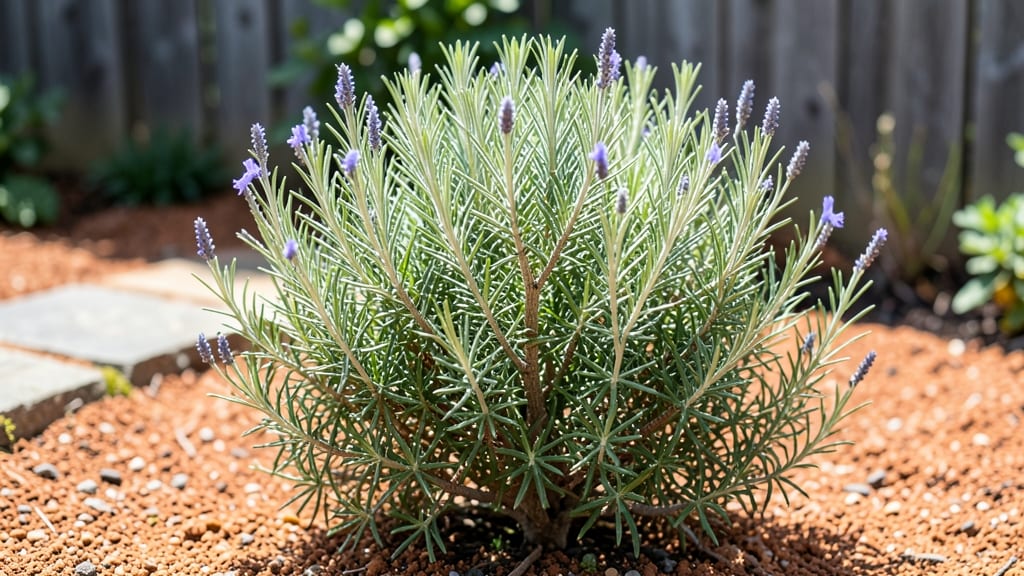
Transforming rosemary into a striking cone tree requires rosemary cone tree care—a process that demands patience but delivers a fragrant, evergreen centerpiece that thrives year-round. 🌿 The key lies in strategic pruning—cutting at the right time and in the right way to encourage dense, upward growth while maintaining that classic conical shape.
Most people over-prune rosemary, turning it into a leggy mess, but this method keeps it lush and compact.
Start with a healthy rosemary plant in full sun and well-draining soil—rosemary hates soggy roots. Prune in early spring before new growth begins, using sharp shears to trim just above leaf nodes.
For the cone shape, focus on cutting back the outer branches more than the center, leaving the top slightly longer. Repeat this every 4-6 weeks during the growing season to maintain the form.
What you’ll end up with is a textured, aromatic masterpiece that stays green even in winter. The scent alone makes it worth the effort—pinch a leaf anytime for a burst of piney freshness.
This technique works for upright rosemary varieties like 'Tuscan Blue' or 'Arp,' but avoid it with trailing types like 'Prostratus.'
Pro tip: Mulch around the base to retain moisture without suffocating the roots, and fertilize lightly in spring with a balanced organic blend. Overwatering is the #1 killer of rosemary trees, so let the soil dry completely between waterings.
With this approach, your rosemary will look like a pro’s garden design—not just another herb in the pot.
📚 In This Guide
- What you need
- Instructions
- Tips and common mistakes
- Wrapping up and next steps
What you need
- ● Pruning shears: Bypass pruners (sharp, clean, and sanitized with rubbing alcohol or bleach solution—1 pair). Avoid dull tools to prevent tearing.
- ● Hand pruners: Small, precision pruners (for delicate trimming—1 pair).
- ● Gloves: Garden gloves (nitrile or leather for protection—1 pair).
- ● Disinfectant: Rubbing alcohol (70%+) or bleach solution (1 part bleach to 9 parts water) (to sterilize tools between cuts).
- ○ Pruning saw (optional but helpful): For thicker branches (if your rosemary grows over 3 feet).
- ● Container or bucket: For collecting clippings (to repurpose or compost).
- ● Horticultural oil: For treating fungal issues if needed.
- ● Plant food: Balanced fertilizer (10-10-10) (apply post-pruning for a growth boost).
- ● Mulch: Organic mulch (e.g., pine straw) (to retain moisture and suppress weeds).
- ● Spray bottle: With water for misting fresh cuts (prevents drying).
- ● Notebook & pen: To track pruning dates and plant progress!
Step-by-step guide to pruning your rosemary cone tree
Here’s how I keep my rosemary cone tree lush and compact all year—no more leggy branches or bare spots.
✂️ Step 1: Time Your Pruning for Best Results
Prune your rosemary cone tree in early spring just as new growth begins, or in late summer after flowering. Avoid heavy cuts in fall or winter—rosemary needs time to harden off before cold weather. I always prune mine in March when the soil warms to 60°F or higher, and the plant shows fresh green shoots.
This timing ensures you don’t cut back into old wood that won’t regrow. If you prune too late in the season, the plant may not recover before winter dormancy. Watch for new buds forming along the stems—that’s your cue to start shaping.
✂️ Step 2: Use Sharp Pruners and Clean Cuts
Grab your bypass pruners (never dull shears—they crush stems) and sanitize the blades with rubbing alcohol to prevent disease. I cut just above a leaf node (the bump where leaves and stems meet) at a 45-degree angle. This encourages new growth and keeps water from pooling on the cut.
Don’t snip randomly—aim for one-third of the plant’s height total over time. For a cone tree, focus on trimming the outer branches first to maintain the rounded shape. If a branch looks woody and bare, prune it back to a lower leaf node where fresh growth can emerge.
🌿 Step 3: Shape for Density and Airflow
Step back and visualize your cone tree’s silhouette. Trim branches that grow straight up or outward to encourage bushier growth. I like to pinch back the tips of new shoots to force branching—this creates that signature dense, rounded shape.
Remove any crossing or rubbing branches that can damage the plant. Thin out the center slightly to improve airflow, which prevents fungal issues. If your rosemary looks leggy, cut back the longest stems by half—they’ll sprout new shoots from the base and fill out faster.
☀️ Step 4: Post-Pruning Care for Recovery
Water your rosemary deeply after pruning to help it recover, but avoid soggy soil—rosemary hates wet roots. Place it in a bright, sunny spot (at least 6 hours of direct sunlight daily) and hold off on fertilizing for 4-6 weeks. The plant will focus energy on regrowth, not leaves.
Watch for new growth within 2-3 weeks. If you see yellowing leaves, it’s usually a sign of overwatering or stress—adjust your care and give it time. A lightly pruned rosemary cone tree will stay compact and fragrant for years with this routine.
⏰ Step 5: Maintain Year-Round with Light Trims
After the initial spring pruning, do a light touch-up in mid-summer to keep the shape tidy. Trim just the tips of new growth to encourage branching. I also check for dead or diseased branches and remove them immediately—rosemary recovers well from small adjustments.
In fall, give your plant a light haircut to remove any straggly growth before winter. Reduce watering as temperatures drop, but keep the soil slightly moist. A well-pruned rosemary cone tree will bounce back stronger in spring, ready for another year of lush, aromatic growth.
Tips & tricks for perfect rosemary cone tree pruning
Real talk: Pruning your rosemary cone tree isn't just about snipping branches—it's about sculpting its future. Here's how I've perfected the process after years of trial and error.
Timing is Everything: The early spring window (when soil reaches 60°F and new buds appear) is non-negotiable for maximum regrowth. I've learned the hard way that pruning too early risks cutting into dormant wood, while late-season cuts can stress the plant before winter. For late summer pruning, wait until after flowering—this gives the plant energy reserves to recover.
Precision Cuts Create Perfect Shape: That 45-degree angle above the leaf node isn't just aesthetic—it's science. The slanted cut prevents water pooling that leads to rot, while cutting above the node directs energy to new growth. For the cone shape, I always trim the outer branches first, then work inward. Think of it like sculpting: you're removing what's in the way of the form you want.
Post-Pruning Recovery Secrets: The 4-6 week no-fertilizer rule is crucial—your plant needs to focus all its energy on healing, not producing leaves. I've seen rosemary plants stressed by over-fertilizing after pruning, so resist the urge to feed it immediately. Instead, monitor for those 2-3 week new shoots as your progress indicator. If you see yellowing leaves, it's your cue to adjust watering—rosemary hates soggy roots.
Year-Round Maintenance Strategy: That mid-summer touch-up isn't optional—it's what keeps your tree looking polished. I treat it like a haircut: every 6-8 weeks, I trim just the tips of new growth. This encourages branching without shocking the plant. In fall, I do a final light trim to remove any straggly growth before winter, which prevents frost damage to tender new shoots.
Pro Tips for Rosemary Cone Tree Care
- Real talk: Pruning your rosemary cone tree isn't just about snipping branches—it's about sculpting its future.
- Timing is Everything: The early spring window (when soil reaches 60°F and new buds appear) is non-negotiable for maximum regrowth.
- Precision Cuts Create Perfect Shape: That 45-degree angle above the leaf node isn't just aesthetic—it's science.
Frequently asked questions
Got questions about keeping your rosemary cone tree lush and healthy? You’re not alone! Here are some of the most common concerns—and their straightforward solutions.
How often should I prune my rosemary cone tree?
Prune your rosemary cone tree lightly 2–3 times a year: once in early spring (to shape and encourage new growth), again after flowering (to maintain its bushy form), and lightly in late summer (to prevent legginess). Avoid heavy pruning in fall—it can stress the plant before winter.
Can I prune my rosemary cone tree in winter?
Winter pruning is not recommended unless you’re in a mild climate (Zone 8+). Cold snaps can damage fresh cuts, and rosemary is semi-dormant in winter. If you must prune, wait until late winter or early spring when new growth signals it’s safe.
What if my rosemary cone tree looks leggy or sparse?
Leggy rosemary often means it’s overdue for pruning or lacks sunlight. Trim back 1/3 of the longest stems to encourage bushier growth, and ensure it gets 6+ hours of sun daily. For severe cases, a harder prune in spring (cutting back to woody stems) can revive it.
Is rosemary cone tree pruning different from regular rosemary?
Yes! Rosemary cone tree (e.g., Rosmarinus officinalis ‘Prostratus’) is a dwarf, trailing variety, so prune to encourage a fuller, rounded shape rather than long stems. Avoid shearing—use hand pruners for selective trimming to maintain its natural, cascading form.
What should I do if my rosemary cone tree turns brown or crispy after pruning?
Brown or crispy tips usually mean over-pruning, underwatering, or sunburn. Reduce pruning severity next time, water deeply (but avoid soggy soil), and provide afternoon shade in hot climates. If the damage is severe, trim back only the dead growth—healthy stems will regenerate.
Wrapping up and next steps
With the right tools and techniques, pruning your rosemary cone tree is a breeze—and the rewards are worth it! 🌿 A well-maintained plant stays lush, fragrant, and full of life year-round, while also encouraging healthy new growth. Whether you’re trimming for shape, size, or harvest, remember: consistency is key.
Ready to take your rosemary cone tree to the next level? Start small—pick one pruning session this week, and soon, you’ll have a thriving, bushy beauty that’s the envy of every herb garden. Happy pruning! ✂️💚