
Blooming
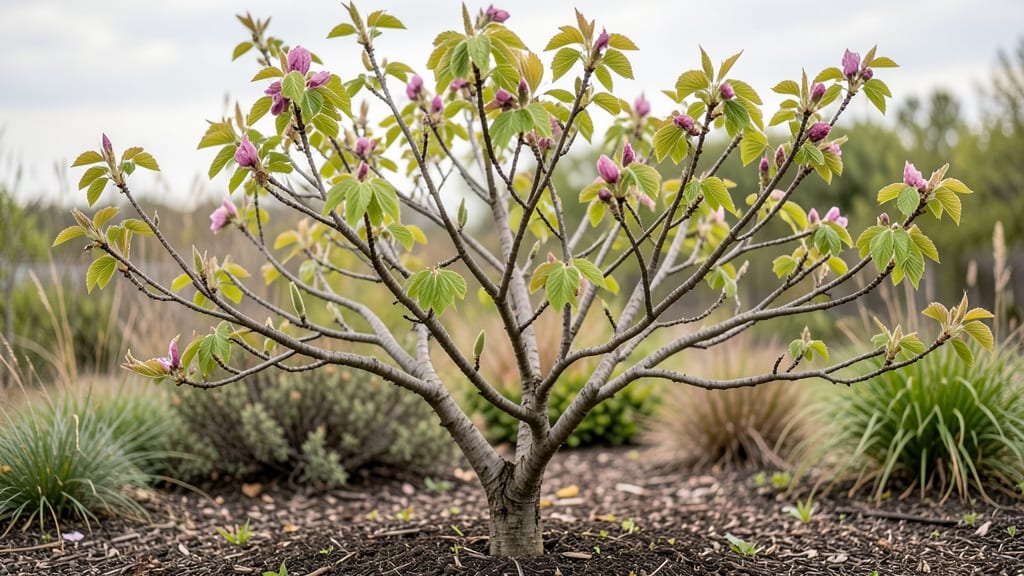
Your redbud tree’s spring blooms may fade, but the real magic happens after they drop. ✨ The right post-bloom care transforms those delicate pink flowers into a lush, sturdy tree that thrives all season.
Skipping this step means missing out on stronger growth, better blooms next year, and a healthier tree that stands out in your landscape.
First, prune in late spring or early summer—just after blooms fade but before new growth gets too vigorous. Cut back any dead, crossing, or crowded branches, and shape the tree to open up its center for airflow.
A little fertilizer now (light on nitrogen) gives it a boost, while consistent watering keeps roots happy without drowning them. Think of it as giving your tree a spa day after its big floral debut.
By summer, you’ll see fresh green leaves filling in where the blooms once were, and those branches will be stronger for next spring’s show. The key is patience—redbuds reward careful care with years of vibrant color and sturdy structure.
Even a small effort now means a tree that’s easier to maintain and more beautiful to admire.
Works for any redbud variety, whether you’ve got a young sapling or a mature tree. The same principles apply, just scaled to size. Here’s how to make it happen without stress or guesswork.
📚 In This Guide
- What you need
- Instructions
- Tips and common mistakes
- Wrapping up and next steps
What you need
- ● Pruning shears: Bypass pruners (sharp, 7-9 inch blades) for clean cuts on small branches.
- ● Loppers: 1 pair (18-24 inch) for thicker branches (up to 2 inches in diameter).
- ● Pruning saw: 1 handheld saw (for branches thicker than 2 inches).
- ● Gloves: 1 pair of heavy-duty gardening gloves (cut-resistant for safety).
- ● Disinfectant: 70% isopropyl alcohol or a 10% bleach solution (1 part bleach to 9 parts water) to sterilize tools between cuts.
- ○ Pruning sealant: Optional but helpful for large cuts (e.g., Tanglefoot Tree Wound Pruning Seal).
- ● Ladder: Extendable or step ladder (if your tree is taller than 6 feet).
- ● Trash bags: 2-3 heavy-duty bags (for collecting pruned branches).
- ● Handheld leaf blower: For quick cleanup of debris.
- ○ Tree paint: Optional for sealing cuts on young or sensitive trees (e.g., Dynamat Tree Wound Dressing).
- ● Notebook & pen: To sketch a quick map of branches you plan to trim.
- ● Safety goggles: Protect your eyes from flying debris.
- ● Knee pads: For comfort if you’re working on the ground.
- ● Check the weather: Choose a dry, calm day (avoid pruning if rain is forecasted within 24 hours).
- ● Know your tree’s age: Mature redbuds (10+ years) need less aggressive pruning than younger trees.
- ● Identify dead/diseased branches: Look for brown, mushy wood or branches without buds.
- ● Review local regulations: Some areas restrict pruning during bird nesting seasons (typically spring/summer).
Instructions: pruning your redbud tree after bloom
Here's how to keep your redbud thriving after those stunning spring blooms fade—simple steps for healthier growth and more flowers next year.
✂️ Step 1: Time Your Pruning Perfectly
Wait until after the blooms fade but before new leaves fully harden—typically late May to early June. This timing ensures you don't cut off next year's flower buds, which form on last year's growth. I always prune my redbuds right after the pink blossoms drop but before the foliage turns deep green.
If you prune too early, you risk removing flower buds that haven't formed yet. If you wait too late, you'll encourage excessive new growth that weakens the tree before winter. Watch for the first flush of new leaves to soften—this is your signal that the tree has shifted its energy from blooming to foliage production.
✂️ Step 2: Remove Dead, Diseased, or Crossing Branches First
Start by cutting out any dead, broken, or diseased branches using clean, sharp pruning shears. These branches drain energy from the tree and invite pests. Look for branches that are gray, brittle, or oozing sap—these need immediate removal. I always make my first cuts at a 45-degree angle just outside the branch collar (the swollen area where the branch meets the trunk).
Next, remove any branches that cross or rub against each other. These create wounds that heal poorly and can lead to rot. You'll know you've found a crossing branch when you see two limbs growing in the same space, their bark touching or nearly touching. Cut the smaller of the two branches at its base—never leave a stub, as it can't heal properly.
🌿 Step 3: Thin the Canopy for Better Airflow
Step back and look at your tree's overall shape. Redbuds naturally grow with an open, vase-like form, but they can get overcrowded. Your goal is to remove up to 25% of the canopy to improve airflow and sunlight penetration. Focus on branches growing inward or downward—they create dense shade that invites fungal diseases.
Use your pruners to make clean cuts just above a bud or side branch. Avoid cutting back to a stub or leaving a rough edge. I like to imagine the tree as a sculpture—each cut should improve its natural beauty while maintaining its open, airy silhouette. If a branch is too thick to cut with hand pruners, use a pruning saw for a smooth cut.
☀️ Step 4: Shape for Next Year's Blooms
Now it's time to encourage next year's flowers by lightly shaping the outer branches. Redbuds bloom on last year's growth, so avoid heavy pruning of older wood. Instead, focus on shortening only the tips of branches that grew too long during the bloom season. Cut back by about one-third of the new growth to promote bushier, more compact branches.
Pay special attention to the outer edges of the tree. These branches receive the most sunlight and will produce the most vibrant blooms next spring. You'll know you're doing it right when the tree looks balanced and open—like it's inviting sunlight to reach every branch. Avoid over-pruning; redbuds are resilient but can struggle if you remove too much foliage at once.
🪴 Step 5: Clean Up and Protect the Tree
After pruning, sterilize your tools with rubbing alcohol to prevent spreading disease between cuts. Collect all clippings and dispose of them in the trash—never leave them on the ground, as they can harbor pests. I also like to apply a light layer of mulch around the base of the tree (but not touching the trunk) to retain moisture and protect roots.
Water the tree deeply after pruning to help it recover. You'll notice new growth emerging within 2-3 weeks—this is a good sign that the tree is healing. Keep an eye out for any signs of stress, like yellowing leaves or wilting, which could indicate over-pruning or disease. With proper care, your redbud will reward you with even more stunning blooms next spring.
Tips & tricks for perfect redbud tree pruning
These simple secrets will help you prune your redbud like a pro—keeping it healthy and blooming beautifully for years.
Timing is Everything: The late May to early June window is critical because redbuds bloom on last year's growth. I've seen people prune too early and lose next year's flowers entirely. Watch for the blossoms to fade completely, then wait another week before pruning—this gives the tree time to set its flower buds for spring. If you're unsure, check the leaves: they should be softening but not fully hardened. This is your perfect cue.
Make Clean Cuts: Always cut at a 45-degree angle just outside the branch collar, never leaving a stub. I learned this the hard way when I cut too close to the trunk—it created ugly wounds that took years to heal. For branches thicker than your wrist, use a pruning saw to avoid tearing the bark. Clean cuts heal faster and look more professional. Remember, the branch collar is that swollen area where the branch meets the trunk—don't cut into it!
Thin Strategically: When removing up to 25% of the canopy, focus on branches growing inward or downward first. These create dense shade that can suffocate your tree. I like to visualize the tree's natural shape—think of it like sculpting. Each cut should improve airflow while maintaining that beautiful open vase form. If you're unsure which branches to remove, step back and look at the tree from all angles before making any cuts.
Post-Pruning Care: After you're done, sterilize your tools with rubbing alcohol to prevent spreading disease between cuts. I also apply a 2-3 inch layer of mulch around the base (but not touching the trunk) to retain moisture. Water deeply right after pruning—this helps the tree recover quickly. You'll notice new growth in about 2-3 weeks, which is a great sign your tree is healing properly.
Pro Tips for Redbud Tree After Bloom
- These simple secrets will help you prune your redbud like a pro—keeping it healthy and blooming beautifully for years.
- Timing is Everything: The late May to early June window is critical because redbuds bloom on last year's growth. I've...
- Make Clean Cuts: Always cut at a 45-degree angle just outside the branch collar, never leaving a stub. I learned this...
Frequently asked questions
Got questions about your redbud tree after the stunning pink blooms fade? You’re not alone! Here are answers to the most common concerns—from pruning timing to troubleshooting—so you can keep your tree thriving all year.
When is the best time to prune a redbud tree after it blooms?
The ideal window is late spring to early summer (after blooming but before new growth hardens). This avoids cutting off next year’s flower buds, which form on old wood. Pro tip: Wait until after the tree has finished flowering—usually 4–6 weeks post-bloom.
Can I prune a redbud tree in fall or winter?
Pruning in fall or winter is risky because it removes next year’s flower buds (which develop on last year’s branches). If you must prune, do so only in late winter (just before buds swell) and keep cuts minimal. Heavy pruning at this time can stress the tree.
My redbud tree isn’t blooming well after pruning—what went wrong?
Over-pruning or cutting too late (after buds form) can reduce blooms. Focus on removing dead/diseased wood and thinning crowded branches. Avoid heavy structural pruning—redbuds bloom best with minimal intervention. If blooms are sparse, check for pests or nutrient deficiencies too!
Are there alternatives to redbud trees for low-maintenance blooms?
Yes! If redbuds seem high-maintenance, consider:
- Eastern Redbud (Cercis canadensis) (hardy, fast-growing)
- Japanese Tree Lilac (Syringa reticulata) (fragrant, drought-tolerant)
- Serviceberry (Amelanchier) (edible berries + spring color)
- Dwarf Fothergilla (Fothergilla gardenii) (compact, low-maintenance)
Why are my redbud leaves turning yellow or dropping after bloom?
Yellowing leaves (chlorosis) often signal nutrient deficiencies (iron/manganese) or overwatering. Check soil pH—redbuds prefer slightly acidic to neutral (6.0–7.0). Dropping leaves post-bloom can also mean stress from pruning or pests (like spider mites). Inspect undersides of leaves and treat with neem oil if needed.
Wrapping up and next steps
Your redbud tree’s post-bloom care doesn’t have to be complicated—just strategic! With the right pruning techniques, you’ll keep it vibrant, healthy, and full of life all year. Remember: timing, clean cuts, and a little patience are your best friends.
Now that you’re armed with these secrets, go ahead and give your tree the TLC it deserves—your garden will thank you!
Ready to take the next step? Mark your calendar for late winter or early spring and grab those pruners—your redbud’s next chapter of beauty starts with you! 🌿✨