
Pruning
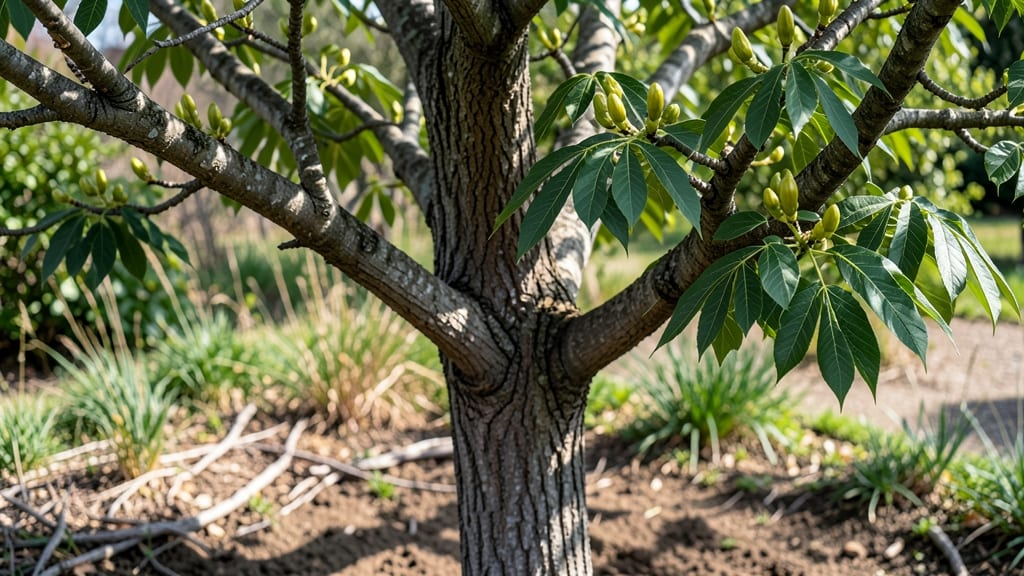
Tree of Heaven buds need pruning to stop its aggressive spread while keeping the tree healthy. ✂️ I’ve battled this invasive tree’s rapid growth, and the right cuts make all the difference—preventing disease, pests, and unwanted sprouts without harming the tree.
The key is timing: prune dormant buds in late winter or early spring, but you can also thin out overgrown branches in summer. Just avoid heavy cuts in fall, when fungal infections like anthracnose spread easily. I’ve seen trees recover beautifully when pruned correctly, even after years of neglect.
You’ll notice fewer suckers popping up around the base and a stronger structure that resists pests like scale insects. The tree stays compact, making it easier to manage without sacrificing its natural beauty or health.
If your Tree of Heaven is already spreading uncontrollably, we’ll also cover how to slow it down—without resorting to harsh chemicals. Let’s get those buds under control!
📚 In This Guide
- What you need
- Instructions
- Tips and common mistakes
- Wrapping up and next steps
What you need
- ● Pruning shears – Bypass pruners (sharp, 6–8" blades) for clean cuts (1 pair).
- ● Loppers – Bypass or anvil type (16–24" handles) for thicker branches (1 pair).
- ● Pruning saw – Curved or folding blade (for branches >1.5" thick, 1 unit).
- ● Disposable gloves – Nitrile or leather (2–3 pairs) for safety and grip.
- ○ Tree wound sealant – Optional but helpful (1 small bottle) for large cuts.
- ● Disinfectant (70% isopropyl alcohol or bleach solution) – To sterilize tools between cuts (1 small bottle).
- ● Extension pole – Adjustable, 6–10 ft (1 unit) for high branches.
- ● Heavy-duty trash bags – For debris removal (2–3 bags).
- ● Weather check – Prune on a dry, calm day (avoid rain/snow for 24+ hours).
- ● Safety glasses – ANSI-rated (1 pair) to protect from debris.
- ● Long sleeves/pants – Lightweight, breathable fabric to prevent scratches.
- ● Ladder (if needed) – Sturdy, non-slip (1 unit) for hard-to-reach areas.
- ● First-aid kit – Basic supplies (bandages, antiseptic wipes) for minor cuts.
Step-by-Step guide to pruning tree of heaven buds
Here's how to keep your tree of heaven lush and contained while maintaining its health year-round.
✂️ Step 1: Identify and Locate the Right Buds
Start by examining your tree of heaven in early spring, just as new growth begins to swell. Look for the terminal buds at the tips of branches and the lateral buds along the sides. These are the growth points you'll work with. Terminal buds control vertical growth, while lateral buds produce side branches.
Use your fingers to gently feel the buds—healthy ones will be firm and slightly plump. Avoid pruning buds that are still dormant or those that have already begun to open. I always prune in the morning when buds are fully hydrated, making it easier to identify which ones are ready.
✂️ Step 2: Prune at the Correct Angle and Timing
Use sharp, clean pruning shears to make your cuts at a 45-degree angle, about ¼ inch above a lateral bud. This angle helps water run off the cut and prevents rot. Always cut just above the bud, never below it—this ensures new growth emerges in the right direction.
Timing matters: prune in early spring before buds break or in late summer after the main growth flush. Avoid pruning in fall or winter, as the tree is less able to recover. I like to schedule my pruning right after the last frost but before new leaves fully unfurl—that's when the tree is most resilient.
✂️ Step 3: Shape the Tree for Balanced Growth
Step back and visualize your tree's shape. Aim to remove no more than 25% of the foliage in any single pruning session to avoid stressing the tree. Focus on thinning out crowded branches and opening up the center to improve airflow and sunlight penetration.
For a more controlled shape, prioritize removing vertical growth from the center while encouraging outward growth from lateral buds. You'll see new shoots emerge from the lateral buds within 4-6 weeks—this is your reward for precise pruning. If you notice any suckers at the base, remove them immediately to prevent competition with the main trunk.
🌿 Step 4: Post-Pruning Care for Healthy Recovery
After pruning, water the tree deeply to help it recover. The roots will need extra moisture to support new growth. Apply a balanced, slow-release fertilizer around the base to provide nutrients for the upcoming growth cycle. Avoid heavy fertilizers immediately after pruning, as they can stress the tree.
Monitor the tree closely for the first 2-3 weeks after pruning. Watch for signs of stress like wilting leaves or unusual discoloration. If you see any large cuts oozing sap, apply a thin layer of pruning sealant to protect the wound. Most importantly, resist the urge to over-prune—tree of heaven is resilient, but patience pays off in lush, healthy growth.
Tips & tricks for perfect tree of heaven bud pruning
Let me save you the frustration of over-pruning or missing the best time to trim—here's what I've learned after years of shaping these fast-growing trees.
Tool Selection: Never use dull shears on tree of heaven—they crush buds and create jagged cuts that invite disease. Invest in a pair of bypass pruners (not anvil-style) and sharpen them annually. I take mine to a professional sharpener every spring before pruning season begins. A clean cut at a 45-degree angle heals faster and looks more natural.
Bud Identification Trick: In Step 1, when identifying buds, look for the small, raised bumps that feel like tiny buttons. Terminal buds are usually larger and positioned at branch tips, while lateral buds are smaller and appear along the sides. A quick way to confirm readiness is to gently squeeze—if the bud gives slightly but doesn't break, it's perfect for pruning. This tactile check eliminates guesswork.
Seasonal Timing Insight: The instructions mention early spring and late summer as ideal windows, but here's the nuance: In colder climates, wait until after the last frost when soil temperatures reach at least 50°F. In warmer regions, you can prune twice a year—once in early spring and again in early fall. I mark my calendar for these dates to avoid missing the optimal times.
Recovery Monitoring: During those first 2-3 weeks after pruning (Step 4), watch for new growth from the lateral buds you preserved. If you see only minimal sprouting after 4-6 weeks, your cuts may have been too severe. Remember, tree of heaven responds well to pruning, but patience is key—don't be tempted to prune again until you see vigorous new growth.
Pro Tips for Tree Of Heaven Bud
- Let me save you the frustration of over-pruning or missing the best time to trim—here's what I've learned after years...
- Tool Selection: Never use dull shears on tree of heaven—they crush buds and create jagged cuts that invite disease. I...
- Bud Identification Trick: In Step 1, when identifying buds, look for the small, raised bumps that feel like tiny butt...
Frequently asked questions
Got questions about pruning Tree of Heaven (Ailanthus altissima) buds? You’re not alone!
Whether you're dealing with aggressive growth or just curious about timing, here are some of the most common concerns—and their solutions.
When is the best time to prune Tree of Heaven buds for optimal growth control?
The ideal window is late winter to early spring (just before new growth starts), but you can also prune in summer or fall if needed. Avoid heavy pruning in fall—it can stimulate tender new growth that may not survive winter. For year-round control, light trims (removing 20-30% of growth) every 3-4 months work well.
How do I tell the difference between healthy buds and diseased or dead ones?
Healthy buds are plump, firm, and greenish-brown with a slight sheen. Diseased or dead buds may be shriveled, blackened, or oozing sap. Give them a gentle squeeze—if they’re mushy or crumble easily, they’re likely dead. Remove any buds with signs of mildew, mold, or insect damage immediately to prevent spread.
Will pruning Tree of Heaven buds slow down its invasive spread?
Yes! Regular pruning reduces seed production (which spreads invasively) and weakens the root system over time. Focus on removing suckers at the base and cutting back aggressive branches to limit its expansion. For severe infestations, combine pruning with mulch smothering or herbicide (glyphosate) applications—but always follow local regulations.
Can I use the pruned buds for anything, like propagation or compost?
While you can compost pruned buds (they break down slowly), avoid using them for propagation—they’re highly invasive and can sprout anywhere. If you’re determined to propagate, sterilize tools and plant in a controlled area, but we recommend against it due to ecological risks. Burning or landfill disposal is often the safest option.
Why does my Tree of Heaven keep growing back after pruning?
This fast-growing tree is resilient—it can regenerate from roots, stumps, or even small stem pieces. To stop regrowth:
- Cut stumps to ground level and apply horticultural vinegar or copper sulfate to kill remaining tissue.
- For large roots, dig out sections (wear gloves—sap can cause skin irritation!).
- Consider repeat treatments in early spring and fall for stubborn sprouts.
Wrapping up and next steps
Mastering Tree of Heaven bud pruning is all about balance—keeping your tree lush while controlling its rapid growth. With the right tools, timing, and techniques, you can maintain a healthy, manageable tree without stressing its vitality. Remember, consistency is key!
Ready to take the next step? Start small—prune just a few branches this season, observe how your tree responds, and adjust your approach as needed. Happy pruning! 🌿✂️