
Diseases
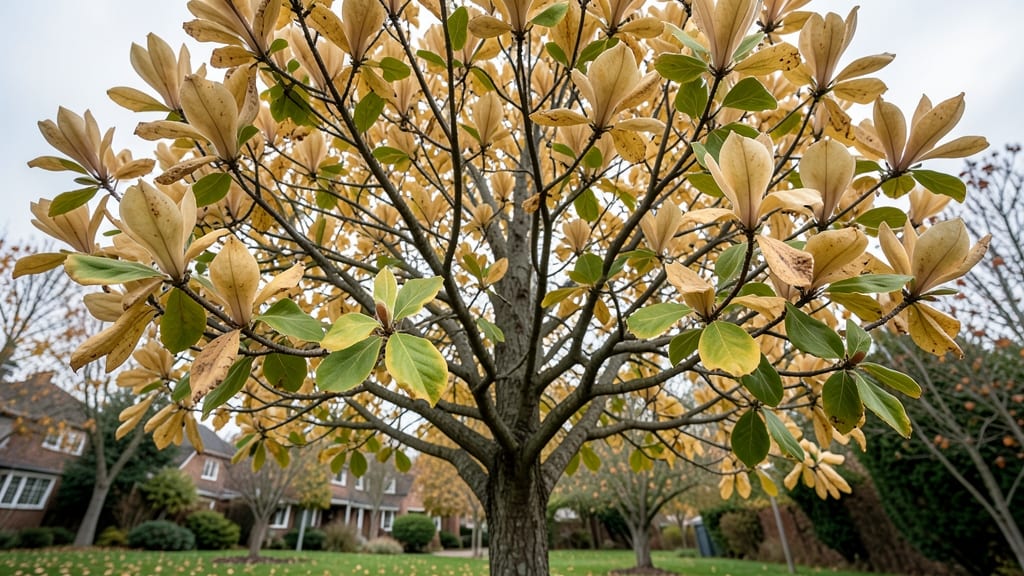
Fall magnolia leaves reveal more than seasonal color—they signal potential diseases lurking beneath their glossy surfaces. Learn to identify these 10 distinct leaf patterns and the 3 most common threats to catch early and save your tree.
Deep Crimson Fall Foliage with Black Spots
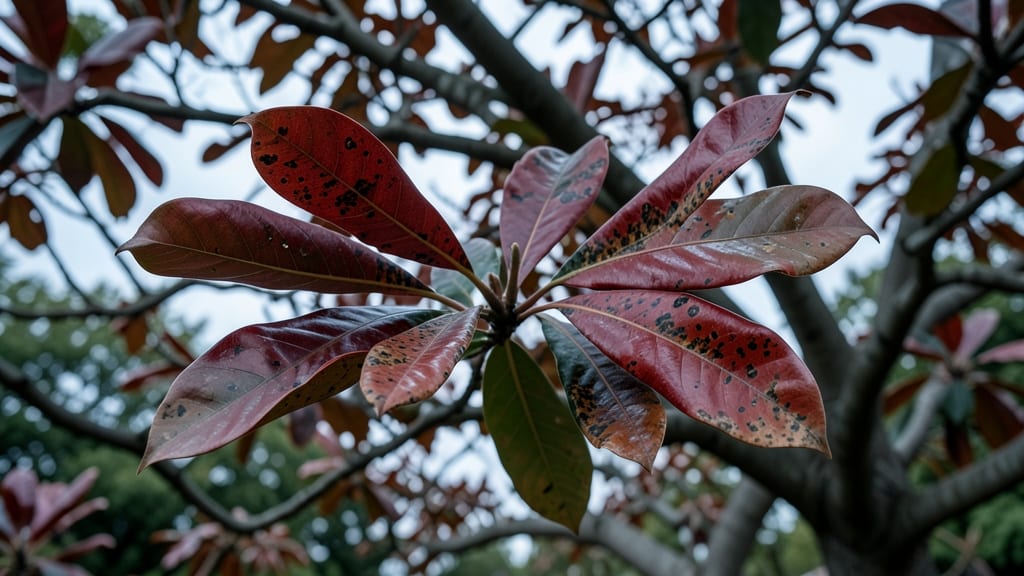
That stunning deep crimson fall color on your Southern magnolia might actually be a red flag—not a seasonal showstopper. Those dark spots lurking on the leaves? They’re almost never natural aging, but a classic sign of fungal leaf spot disease, especially in humid climates where spores thrive.
This disease thrives in warm, wet autumns, turning leaf edges crimson while black spots spread across the surface. The key difference from healthy fall color? Diseased leaves will also show irregular brown patches and may drop prematurely. Prune affected leaves immediately and apply a copper fungicide in early fall before spores spread.
Southern gardeners and humid-climate growers should inspect magnolias monthly—early action prevents the disease from weakening your tree’s winter resilience. 💚
Yellowing Edges and Brown Crusty Patches
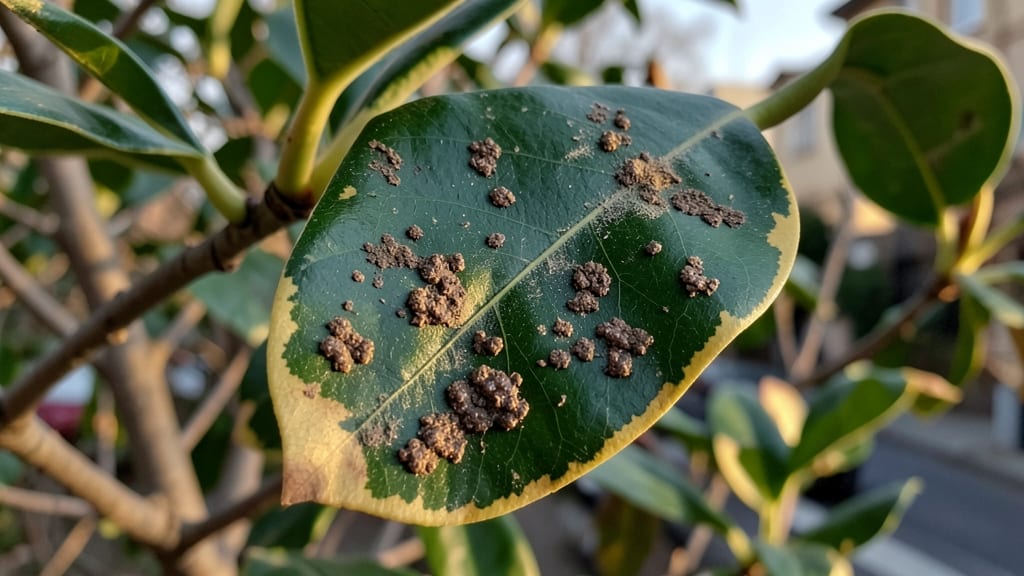
When your magnolia’s leaves develop yellowing edges paired with brown, crusty patches on the undersides, don’t assume it’s just fall stress—this is a classic sign of magnolia scale infestation. These armored pests thrive in urban gardens where trees are crowded or air circulation is poor, turning leaves brittle and stunted.
Flip the leaves to spot the culprits: tiny, brown, shell-like insects clustered along veins. Unlike fungal diseases, magnolia scale doesn’t respond to fungicides—you’ll need a systemic insecticide (like horticultural oil or imidacloprid) applied in early spring before new growth emerges. Prune heavily infested branches and dispose of them in sealed bags to prevent spread.
Urban gardeners and city dwellers should inspect their magnolias twice yearly—spring and fall—since these pests love tight spaces. Early action prevents the tree from becoming a permanent host for generations of scales. 💡
Mottled Green and Purple with Premature Drop
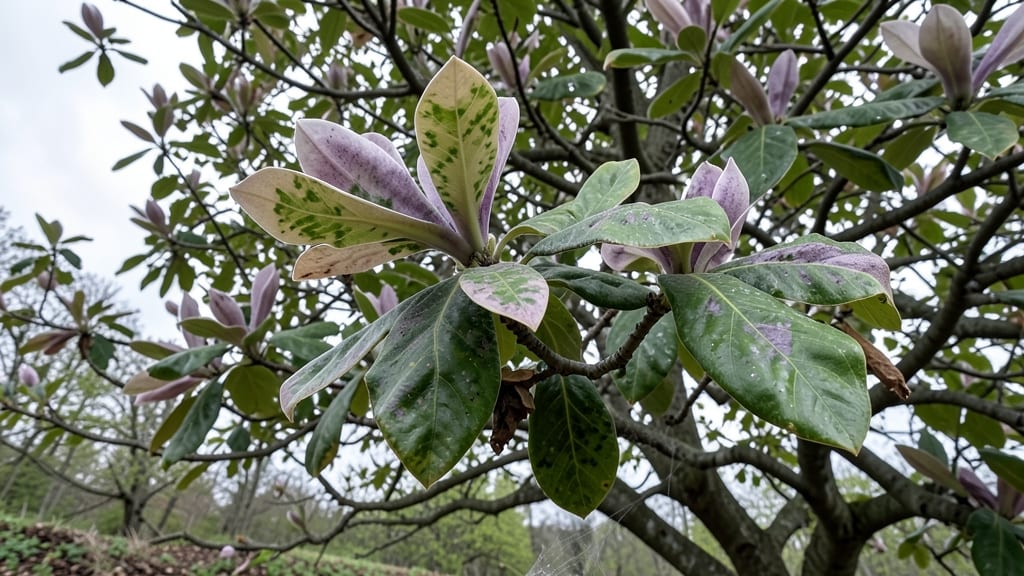
When your magnolia tree’s leaves develop irregular green-purple mottling and start dropping in late summer, it’s not just a seasonal quirk—it’s a red flag for magnolia leaf gall disease. This fungal infection thrives in warm, humid conditions and often gets mistaken for nutrient deficiency, but the treatment couldn’t be more different.
Look for deformed growth and premature leaf drop as key clues. Unlike nutrient issues, this disease requires a fungicide treatment (like copper-based sprays) applied in early summer before symptoms appear. Prune and dispose of infected leaves immediately to prevent spread, and improve air circulation around the tree to deter future outbreaks.
This one’s especially tricky for gardeners in southeastern climates—where humidity turns magnolias into prime targets. Catching it early can save your tree from severe defoliation. 💚
Bright Orange Leaves with White Fungal Webbing
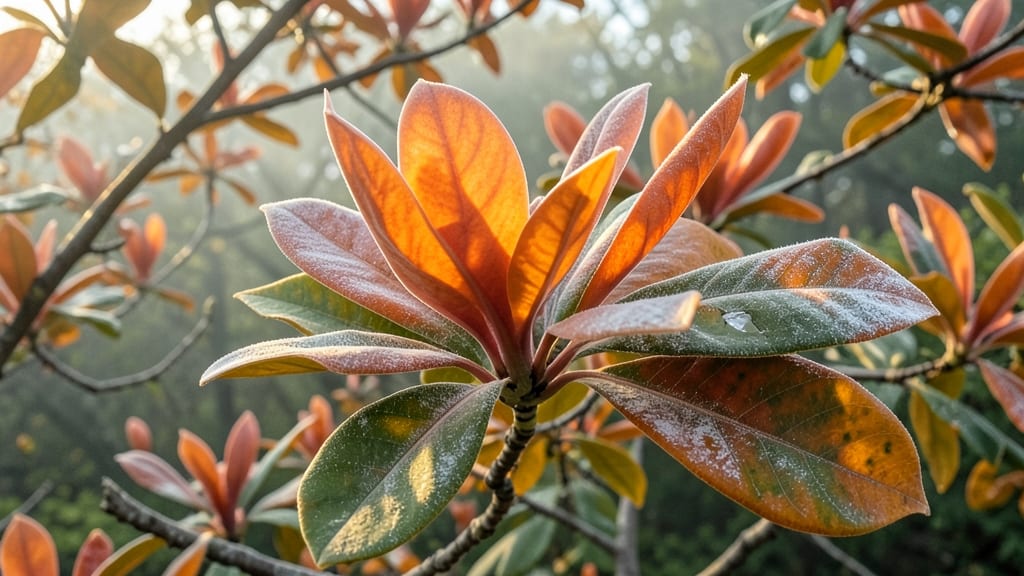
If your magnolia’s leaves are turning a striking bright orange and you spot a dusty white coating on the undersides, you’re likely dealing with powdery mildew—a fungal disease that thrives in the shaded, humid conditions of Eastern U.S. gardens. This isn’t just an aesthetic issue; left unchecked, it weakens the tree and can spread to other plants.
The white fungal webbing is a dead giveaway—it’s not just dust or pollen. To treat it, improve air circulation around the tree by pruning dense branches and avoid overhead watering. Apply a fungicide labeled for powdery mildew (like neem oil or sulfur-based sprays) every 7–10 days until the symptoms disappear. For prevention, ensure the tree gets at least 4–6 hours of sunlight daily and water early in the day to let foliage dry quickly.
This issue is especially common for gardeners in humid climates or those who planted magnolias too close to fences or other structures. Catching it early saves your tree from long-term stress and keeps your garden thriving. 🌱
Dark Brown Necrotic Spots with Yellow Halos
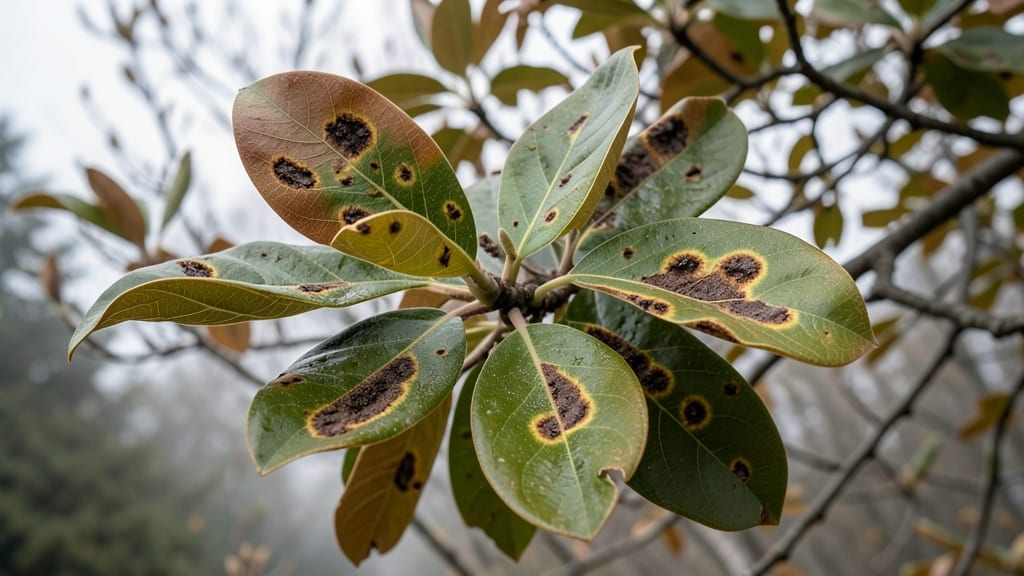
When your magnolia’s leaves develop dark brown necrotic spots surrounded by yellow halos in fall, it’s not just weather damage—it’s a classic sign of anthracnose, a fungal disease that thrives in wet conditions. These spots often start on older leaves but can quickly spread to new growth if left unchecked.
Anthracnose loves the damp autumn air and can lie dormant in fallen leaves or infected twigs, making spring a critical time for prevention. Prune and remove infected leaves immediately, and apply a copper-based fungicide in early fall before heavy rains arrive. This disease is especially aggressive in shaded, poorly ventilated areas, so improving airflow around your tree helps too.
Don’t wait until spring to act—early fall is the best time to treat anthracnose before it establishes itself for another season. Gardeners in the Southeast should be extra vigilant, as this region’s humid climate creates perfect conditions for outbreaks. 🌱
Pale Green Leaves with Black Vein Streaks
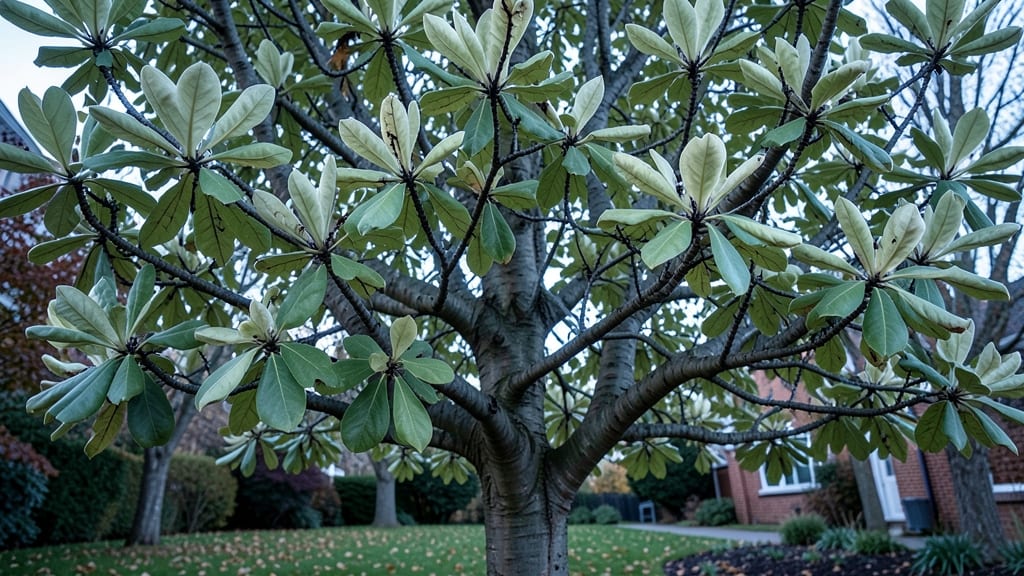
When your magnolia tree leaves turn pale green with blackened veins, it’s not just a cosmetic issue—this is a vascular disease red flag. Unlike other leaf problems, this symptom indicates a serious infection blocking the tree’s nutrient flow, often starting in the roots or stem.
If you spot these black vein streaks, act fast: prune affected branches immediately to prevent spread, then send a soil sample for testing. In severe cases, a certified arborist may recommend removing the tree entirely to protect nearby plants. This condition thrives in waterlogged soil, so improve drainage and avoid overhead watering.
Homeowners with mature magnolias or those in humid climates should monitor for this symptom closely—early detection is key to saving your tree. 💡
Copper-Colored Leaves with Cracked Bark Below
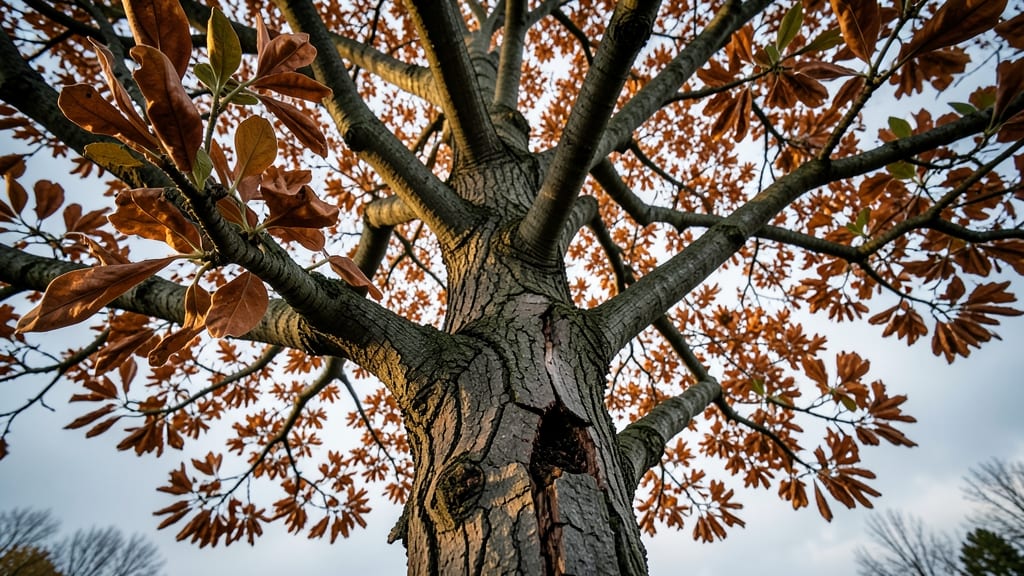
When your magnolia’s leaves take on a coppery hue while the bark beneath develops deep cracks, it’s not just a fall color shift—this combo often signals a bacterial infection worsened by drought stress. Unlike fungal diseases, bacterial issues spread through water (like rain or irrigation) and thrive when trees are already struggling.
Check the undersides of leaves for tiny yellow spots or ooze, and inspect cracked bark for dark streaks. Prune infected branches immediately (sterilize tools with rubbing alcohol) and water deeply once weekly to relieve drought stress. Copper fungicides labeled for bacterial issues can help, but severe cases may require professional treatment.
This warning sign is especially critical for young magnolias or those in dry climates—catching it early prevents the tree from becoming structurally weak. 🌟
Pure Yellow Leaves Without Spots or Spots
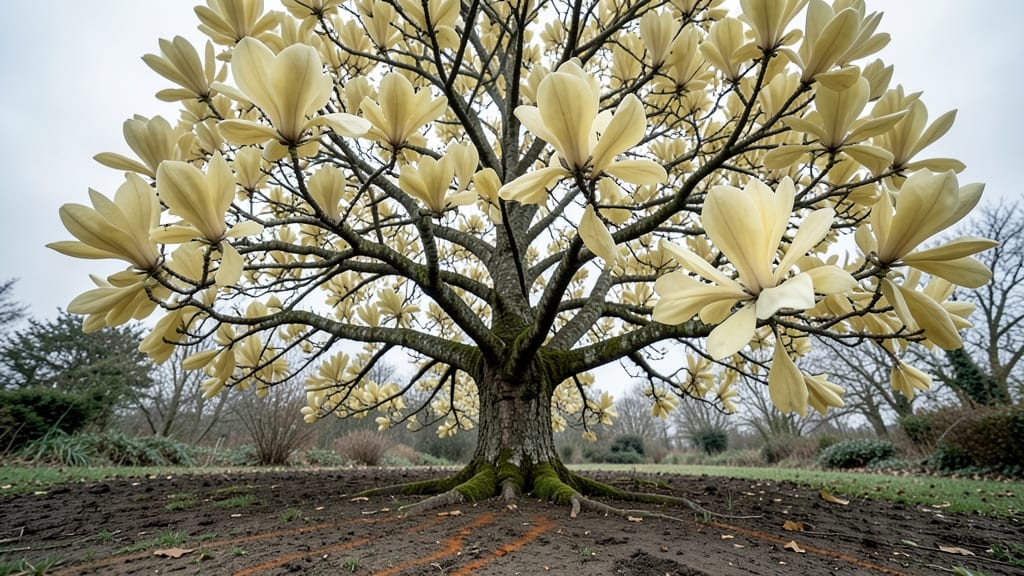
When your magnolia’s leaves turn a uniform yellow without spots or patches, it’s often mistaken for disease—but the real culprit might be lurking in your soil. This chlorosis (nutrient deficiency) is especially common in acidic soils where iron or manganese becomes unavailable to the tree.
Before reaching for fungicides, test your soil’s pH level—ideal for magnolias is between 5.0 and 6.5. If the pH is too low, apply chelated iron or manganese sulfate to restore nutrient uptake. Avoid overwatering, as soggy soil worsens nutrient absorption, and consider a slow-release fertilizer in early spring to prevent recurrence.
This issue is most common in young trees or those planted in amended soil, but even mature magnolias can show these signs after heavy rains. A quick soil test saves time and money by ruling out costly disease treatments. 💡
Reddish-Brown Leaves with Sticky Sap
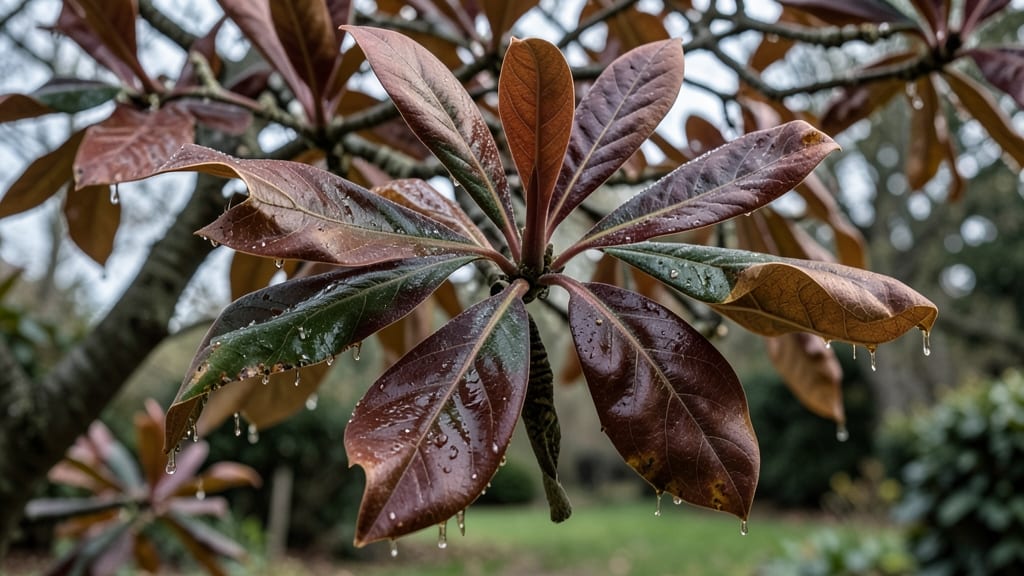
If your magnolia tree leaves are turning reddish-brown and oozing sticky sap, you’re likely dealing with an aphid infestation—and it’s more serious than it seems. That sticky substance, called honeydew, isn’t just messy; it’s an open invitation for sooty mold, a secondary fungal infection that can weaken your tree over time.
Start by inspecting the leaf undersides for clusters of tiny aphids. A strong blast of water or neem oil spray can knock them off, but for severe cases, use insecticidal soap or horticultural oil applied in early fall before populations explode. Prune heavily infested branches to reduce spread, and clean up fallen leaves to break the cycle.
This issue is especially critical for gardeners in humid climates or urban areas where aphids thrive. Addressing it early prevents sooty mold from turning your tree’s foliage into a blackened mess by next spring. 🌱
Healthy Green Leaves Turning Gold Prematurely

When your magnolia tree leaves suddenly shift from vibrant green to golden hues before fall’s official arrival, it might not be the stunning display you expected. This premature color change—especially in young trees—can signal root stress or underlying issues rather than natural aging.
Check the soil moisture first: overwatering or compacted soil can suffocate roots, triggering this early shift. If the ground feels soggy or the tree sits in a low-lying area, improve drainage immediately. For young trees, also inspect the trunk for cracks or fungal growth, which may indicate stress-related disease spreading from the roots upward.
This subtle warning is most critical for gardeners in urban or container-grown magnolias, where root systems develop slowly. Addressing it now prevents more severe decline in future seasons. 🌟