
Pruning
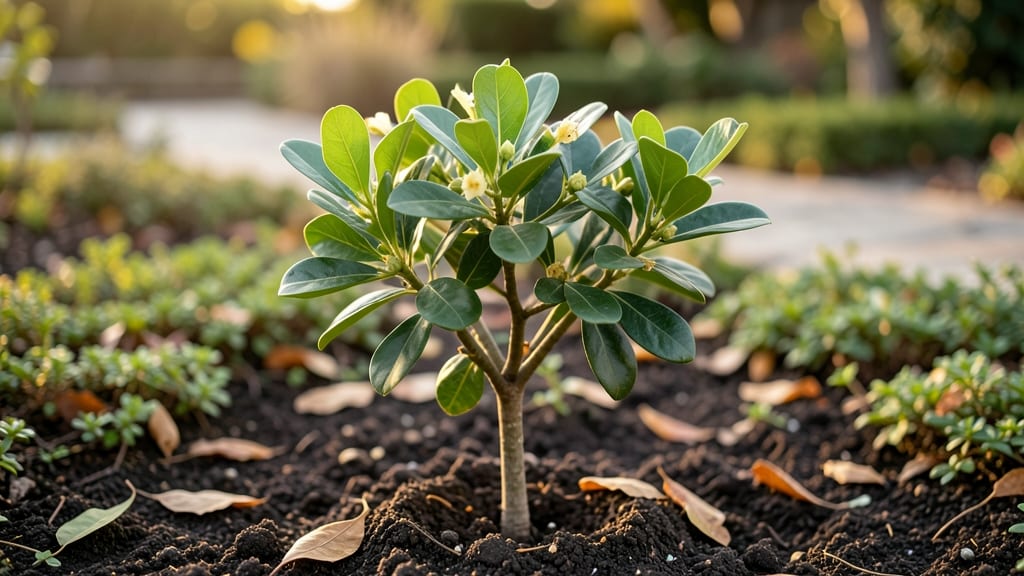
Growing a loquat tree from seedling is one of those rewarding projects where patience pays off in sweet, citrusy fruit. 🌱 I’ve started dozens from seed, and the key to fast, healthy starts lies in mimicking the tropical conditions these trees crave—even if you’re in a cooler climate.
The first critical step? Stratifying those seeds properly, which tricks them into thinking winter’s over when it’s not. You’ll need just a few supplies: a warm spot (or heat mat), a humidity dome (or plastic bag), and well-draining soil.
Most beginners skip the stratification step, which is why their seeds take months—or never—sprout. Once you crack that, germination happens in 2-4 weeks, and you’re left with sturdy seedlings ready to outgrow their pots.
The real magic happens when you transplant them outdoors after the last frost, where they’ll reward you with glossy leaves and—eventually—those golden loquats. By summer, your seedlings will be stocky and ready for their first pruning, shaping them into strong, fruit-bearing branches.
The fruit might take 3-5 years to appear, but the journey—watching those first buds form—is worth every season of care. Even in containers, these trees thrive with the right balance of sun, water, and occasional fertilizer. Here’s where most gardeners stumble: overwatering or pruning too early.
Loquats hate soggy roots but love deep watering. And prune only in late winter—never after buds form. With these tricks, you’ll have a tree that’s both fast-growing and healthy enough to produce fruit reliably.
📚 In This Guide
- What you need
- Instructions
- Tips and common mistakes
- Wrapping up and next steps
What you need
- ● Loquat seeds: 5–10 fresh, plump seeds (harvested from ripe, organic loquats for best results).
- ● Well-draining potting mix: 2–3 gallons of a blend like 60% peat moss, 30% perlite, and 10% vermiculite (or a commercial seed-starting mix).
- ● Small seed trays or pots: 4–6 biodegradable or plastic pots (3–4 inches in diameter) or a seed tray with individual cells.
- ● Clear plastic dome or plastic wrap: To create a mini greenhouse effect and retain humidity.
- ● Spray bottle: For gentle watering (avoid soaking the seeds!).
- ○ Grow lights or sunny windowsill: A south-facing window or a 12–16 hour LED grow light (optional but helpful for weak light conditions).
- ● Pruning shears or scissors: For trimming seed coats (if scarifying) or cleaning tools.
- ● Thermometer: To monitor soil temperature (ideal: 70–80°F for germination).
- ● Fertilizer (balanced, water-soluble): ¼ tsp diluted in water for seedlings after 4–6 weeks (e.g., 10-10-10 NPK).
- ● Humidity tray: A shallow tray with pebbles and water to elevate pots (boosts moisture).
- ● Patience & a notepad: To track seedling progress and care adjustments!
Step-by-step instructions for germinating loquat tree seedlings
Here’s how I’ve learned to coax stubborn loquat seeds into vigorous, fast-starting seedlings—without the common pitfalls.
🌱 Step 1: Prepare Seeds for Germination
Loquat seeds have a tough outer coat that slows water absorption. First, soak them in lukewarm water for 24 hours to soften the shell. I use a small bowl and stir them occasionally—this ensures even hydration. After soaking, place them between two damp paper towels and fold them into a loose packet. The goal is to keep them moist but not soggy; you’ll see the seeds begin to sprout in 3-5 days.
Real talk: If you skip the soaking, germination can take 2-3 weeks or longer. The paper towel method mimics the moisture conditions of a tropical forest floor, where loquats naturally grow. Once the radical (the first root) appears, it’s time to move them to soil.
🪴 Step 2: Plant Sprouted Seeds in Moisture-Retentive Mix
Fill small 2-3 inch deep pots with a lightweight, well-draining mix—equal parts peat moss and perlite works best. Moisten the mix until it’s damp but not dripping, then make a shallow hole about ½ inch deep. Gently place the sprouted seed, radical-side down, into the hole. Cover it lightly with mix, pressing down just enough to secure it.
Here’s the thing—loquat seedlings are sensitive to overwatering. Water the soil lightly until it’s evenly moist, but avoid creating a swampy environment. You’ll know it’s right when the surface feels slightly damp but doesn’t glisten. Place the pots in a warm, shaded area (70-75°F) to encourage root establishment.
☀️ Step 3: Provide Warmth and Indirect Light
Loquat seedlings thrive in warmth but need gentle light to avoid stress. Start with bright, indirect light for the first 2 weeks. A south-facing window with sheer curtains works well, or use a grow light set to 12 hours daily. You’ll see the first true leaves emerge in 7-10 days—these are your signal that the seedling is strong and ready for more light.
If leaves look pale or stretch toward the light, your seedlings need more intensity. Gradually increase light exposure over 5-7 days to harden them off. Avoid direct sun at this stage—it can scorch tender foliage. Once the seedlings have 3-4 true leaves, they’re ready for a slightly larger pot and more direct sunlight.
💧 Step 4: Maintain Consistent Moisture and Fertility
Water seedlings when the top ½ inch of soil feels dry, but never let them sit in water. Loquats hate soggy roots, which can lead to rot. I use a spray bottle for gentle watering to avoid disturbing the delicate stems. After 4 weeks, when the seedlings are about 4 inches tall, switch to a balanced 10-10-10 fertilizer diluted to half strength. Feed them every 4 weeks to support steady growth.
Watch for signs of stress—yellowing leaves often mean overwatering, while slow growth could signal a need for more light or nutrients. Adjust your care based on what you observe, and you’ll keep your seedlings on track for a fast, healthy start.
Tips & tricks for perfect loquat tree seedlings
Took me a while to figure these out, so here goes—the details that separate impatient germination from a thriving loquat start.
Soaking Secret: The 24-hour lukewarm water soak isn't just about hydration—it's about breaking dormancy. I've found that using distilled water instead of tap can prevent mineral buildup on the seed coats, which might otherwise inhibit sprouting. Stirring occasionally prevents mold formation while ensuring even water distribution. If your seeds float, gently press them down—they need consistent contact with water.
Radical Identification: In Step 1, when you're checking for the radical (first root), look for a tiny white tendril about 1/8-inch long. It'll appear on the side of the seed opposite where it was attached to the fruit. Confusion often happens here—don't mistake the seed's natural fissure for a root. Once you see this, move to soil within 24 hours to prevent overgrowth before transplanting.
Light Transition Strategy: The gradual increase in light intensity during Step 3 is critical. I recommend placing seedlings under a sheer curtain first, then moving them to a brighter window over 5-7 days. You'll notice the leaves darken as they acclimate—this is healthy! If you're using grow lights, position them 6-12 inches above the seedlings and adjust as they grow. The 12-hour daily cycle mimics natural daylight patterns perfectly for tropical species.
Fertilizer Timing: The 4-week mark for fertilization isn't arbitrary—it's when seedlings develop enough root mass to handle nutrients. I've seen beginners over-fertilize too early, which burns delicate roots. Always dilute that 10-10-10 to half strength, and consider using a liquid fertilizer you can mix directly with water. This gives you better control over dosage, especially when you're just starting out.
Pro Tips for Loquat Tree Seedling
- Took me a while to figure these out, so here goes—the details that separate impatient germination from a thriving loquat start.
- Soaking Secret: The 24-hour lukewarm water soak isn't just about hydration—it's about breaking dormancy.
- Radical Identification: In Step 1, when you're checking for the radical (first root), look for a tiny white tendril about 1/8-inch long.
Frequently asked questions
Got questions about growing loquat tree seedlings? You’re not alone! Here are answers to the most common concerns—from timing to troubleshooting—so you can get your seedlings off to a fantastic start.
How long does it take for loquat seeds to germinate?
Loquat seeds typically germinate in 2–4 weeks when kept in warm, moist conditions (70–80°F). Pre-soaking seeds for 24 hours can speed this up! Patience is key—some may take up to 6 weeks if conditions aren’t ideal. Keep the soil consistently damp but not soggy.
Can I plant loquat seeds directly in the ground?
While possible, direct sowing outdoors isn’t recommended for beginners. Seeds need warmth and humidity to germinate, which is harder to control in open soil. Start indoors in pots with a seed-starting mix for better control, then transplant seedlings after they’ve sprouted and hardened off.
Why aren’t my loquat seeds sprouting? Troubleshooting tips
If your seeds aren’t germinating, check these common issues:
- Cold soil: Loquat seeds need warmth—keep pots in a sunny window or use a heat mat (70°F+).
- Dry soil: Seeds must stay consistently moist (not waterlogged). Mist lightly daily.
- Old seeds: Fresh seeds germinate best; store-bought loquats may have low viability.
- Poor soil: Use a well-draining mix (like coconut coir + perlite) to prevent rot.
How do I know if my loquat seedling is healthy?
A thriving loquat seedling has:
- Bright green, firm leaves (no yellowing or wilting).
- Strong, straight stem (not leggy or weak).
- Slow, steady growth (not stunted or moldy).
Can I grow a loquat tree from a grocery store fruit?
Yes! But success depends on the seed’s freshness. Buy ripe, organic loquats (conventional ones may have treated seeds). Scoop out seeds, rinse, and plant them within a few days for the best germination rates. Store-bought seeds often have lower viability, so don’t be discouraged if not all sprout.
Pro Tip: Speed up germination!
For faster results, try these tricks:
- Warmth: Place pots on a seedling heat mat or near a sunny window.
- Humidity: Cover seeds with a plastic wrap (remove once sprouted).
- Light: Use a grow light 12–14 hours/day after germination.
Wrapping up and next steps
Growing loquat tree seedlings from seed is a rewarding journey that combines patience, care, and a dash of tropical flair! 🌱 With the right materials, germination techniques, and a little troubleshooting know-how, you’re well on your way to nurturing a thriving young tree.
Whether you’re a beginner or a seasoned gardener, the key is consistency—keep those seedlings cozy, hydrated, and protected as they take root.
Now that you’re armed with the secrets to fast, healthy starts, why not take the next step? Plant your first seedling this weekend and watch your green thumb grow!
Share your progress with fellow plant lovers or explore advanced care tips to keep your loquat tree flourishing for years to come. Happy planting! 🌟