
Container Gardens
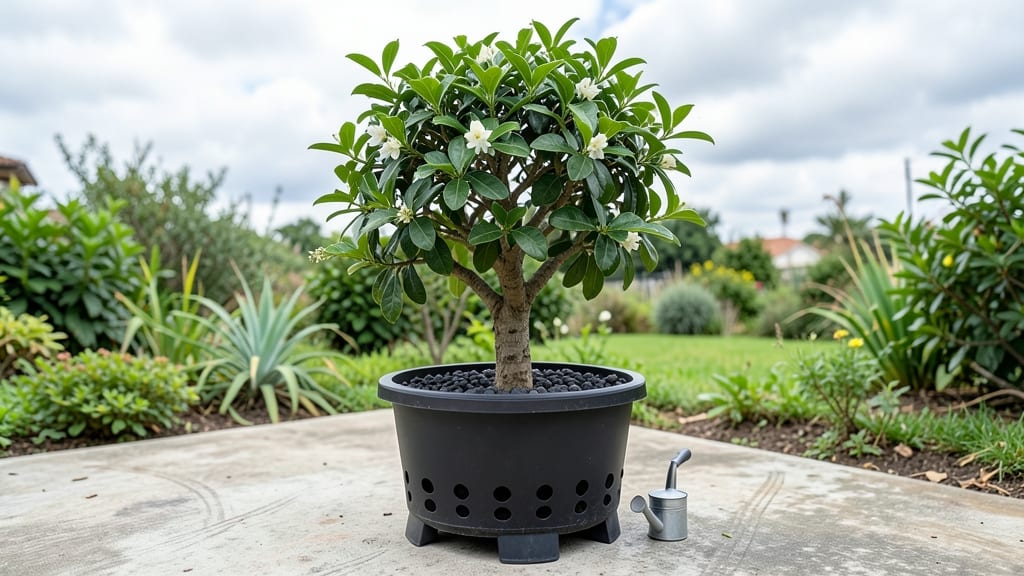
My first tree in a plastic pot nearly outgrew its home in just two years—until I learned the right way to do it. 🌳 These lightweight containers aren’t just for annuals; with the right tree species, soil mix, and care, they’ll thrive for seasons, not just summer.
The key is matching the tree’s needs to the pot’s size and drainage, while avoiding the root-bound disasters that kill container trees.
Start with 5-gallon pots for dwarf varieties like Japanese maples or fruit trees, and scale up to 15-gallon or larger for bigger specimens like crepe myrtles or ornamental cherries. Drainage holes are non-negotiable—no holes, no happy roots.
Fill the bottom third with gravel or broken pottery, then use a well-draining potting mix (never garden soil) to prevent soggy roots that invite pests and disease.
Watering’s where most people fail: deep soaks every 5–7 days in summer, less in winter, and always check moisture before watering again. Mulch the top inch of soil to retain moisture, and fertilize lightly every 4–6 weeks with a balanced, slow-release formula.
The payoff? Trees that keep their leaves, produce fruit, and grow stronger than their in-ground counterparts.
Transplanting’s the tricky part—wait until the tree’s root-bound but not suffocating, usually when roots circle the pot’s bottom. Gently loosen roots before moving to a larger container or ground, and prune any circling roots to encourage outward growth.
With the right species and care, your container tree could outlive the pot itself.
📚 In This Guide
- What you need
- Instructions
- Tips and common mistakes
- Wrapping up and next steps
What you need
- ● Tree Plastic Pots: 1–10 pots (depending on your plants—1–2 pots for small herbs/succulents, 3+ for larger plants like tomatoes or shrubs)
- ● Size: 5–15 gallons (adjust based on plant root space—bigger is better for long-term growth!)
- ● Material: High-density polyethylene (HDPE) or polypropylene (PP) for durability and UV resistance.
- ● Potting Soil: 1–3 bags (5–10 cubic feet total), well-draining mix (e.g., 60% topsoil, 30% perlite/pumice, 10% compost).
- ● Drainage: 1–2 inches of gravel, perlite, or ceramic shards per pot (prevents root rot!).
- ○ Optional Upgrades: Self-watering reservoir kit (for low-maintenance hydration).
- ● Pot feet or casters (if mobility is a priority!).
- ● Eco-friendly mulch (e.g., bark or straw) to retain moisture.
- ● Essentials: Garden trowel or hand shovel (for soil transfer).
- ● Gloves (to keep hands clean and protect from thorns!).
- ● Measuring tape or ruler (to check pot depth/width).
- ● Nice-to-Haves: Drill with 1/4-inch bit (to add drainage holes if needed).
- ● Leveling tool (to ensure pots sit evenly).
- ● Wheelbarrow (for hauling soil and pots).
- ● Sunlight: Confirm your space gets 6+ hours of sunlight daily (adjust plants/pots accordingly).
- ● Water Source: Hose, watering can, or self-watering system within reach.
- ● Plant Knowledge: Research your plants’ water, light, and spacing needs—tree pots are versatile but not magic! 😉
- ● Weather Prep: If outdoors, choose wind-resistant spots or secure pots with stakes.
Step-by-step guide to using tree plastic pots for year-round plant care
Here's how to maximize these sturdy, lightweight containers for healthy plants in any season.
🪴 Step 1: Select the Right Pot Size for Your Plants
Tree plastic pots come in various diameters—choose based on your plant's mature root system. For small shrubs or young trees, 10-15 gallon pots work well, while 5-7 gallon pots suit herbs, annuals, or small perennials. Always leave 2-3 inches of space between the plant's root ball and pot edge to allow for root expansion.
I always check the plant tag for mature size recommendations before selecting a pot. For example, a dwarf fruit tree might thrive in a 10-gallon pot, while a large ornamental grass needs 15+ gallons. The extra space prevents root binding, which stunts growth and stresses plants during seasonal transitions.
🌱 Step 2: Prepare the Pot and Drainage System
Tree plastic pots are lightweight but still need proper drainage. Start by placing 1-2 inches of gravel or coarse perlite at the bottom to create an air pocket and prevent soil compaction. This is critical—without it, water pools at the roots, leading to rot, especially in heavy soils.
Next, add a 1-inch layer of quality potting mix on top of the drainage layer. This separates the gravel from the root zone and prevents fine soil from clogging the drainage holes. I like to use a well-draining, moisture-retentive mix (like a 60/30/10 blend of potting soil, perlite, and compost) to balance hydration and aeration.
✂️ Step 3: Plant and Secure for Stability
Remove the plant from its nursery pot and gently loosen the root ball with your fingers—this encourages outward root growth instead of circling. Place it in the center of the tree plastic pot, ensuring the top of the root ball sits 1 inch below the pot rim. This prevents soil from washing over the edge during watering.
Fill the remaining space with more potting mix, pressing lightly to eliminate air pockets. For larger pots or top-heavy plants, I add 1-2 stakes positioned diagonally and secure the plant with soft plant ties. This prevents tipping, especially in windy conditions. Water thoroughly until it drains from the bottom holes.
💧 Step 4: Water and Adjust for Seasonal Conditions
Tree plastic pots dry out faster than traditional containers, so check moisture every 2-3 days in summer or when the top inch of soil feels dry. Water deeply until it runs freely from the drainage holes—this ensures roots get the hydration they need. In winter, reduce watering to once every 7-10 days unless your space has forced heat.
Here’s the thing—I often place a moisture meter in the pot to avoid guesswork. If the soil stays consistently damp, I know I’m overwatering. For container plants, consistency is key. Tree plastic pots won’t crack like ceramic, but they also won’t forgive neglect. Adjust your watering based on the plant’s needs and your local climate.
☀️ Step 5: Rotate and Position for Optimal Growth
Tree plastic pots are easy to move, so take advantage of that! Rotate pots quarter-turn weekly to ensure even sunlight exposure—this prevents plants from leaning toward the light. Most plants need 6+ hours of direct sun, but adjust based on the species. For example, succulents thrive in full sun, while ferns prefer dappled shade.
In winter, move pots to a sheltered, semi-shaded spot if temperatures drop below 40°F. Tree plastic pots won’t insulate roots like wood or clay, so cold snaps can stress plants. I also add a lightweight burlap wrap around the pot to protect roots from freezing winds. This simple step can mean the difference between a plant that thrives and one that struggles through the season.
Tips & tricks for perfect tree plastic pot plant care
A few simple adjustments can transform your tree plastic pots from functional containers to thriving plant ecosystems. Here's what I've learned after years of testing these versatile planters.
Pot Size Precision: When selecting your 10-15 gallon pots for shrubs or 5-7 gallon pots for herbs, remember this rule: the extra 2-3 inches of space isn't just empty room—it's growth insurance. I've seen plants with root systems that completely fill their pots develop girdling roots that strangle their own growth. For container plants, this space is where roots expand outward rather than circling, which is especially critical during seasonal transitions when plants experience growth spurts.
Drainage Layer Strategy: That 1-2 inches of gravel or perlite at the bottom isn't just about drainage—it's about creating an oxygen-rich zone at the roots. I've noticed plants in pots without proper drainage layers develop compacted soil that becomes waterlogged after just one heavy watering. The 1-inch layer of potting mix on top serves as a buffer that prevents fine soil from clogging those drainage holes over time. Pro tip: use coarse perlite instead of small gravel for better long-term drainage.
Seasonal Transition Tactics: The 40°F threshold isn't arbitrary—it's when most container plants start showing signs of cold stress. I've learned to move pots to sheltered spots before temperatures drop this low, especially for tropical species. The lightweight nature of tree plastic pots makes them perfect for this kind of seasonal rotation. For winter protection, I wrap pots in burlap (not plastic—plastic traps moisture and causes rot) and place them on elevated trays to prevent wind from blowing cold air directly onto roots.
Pro Tips for Tree Plastic Pots
- A few simple adjustments can transform your tree plastic pots from functional containers to thriving plant ecosystems.
- Pot Size Precision: When selecting your 10-15 gallon pots for shrubs or 5-7 gallon pots for herbs, remember this rule: the extra 2-3 inches of space isn't just empty room—it's growth insurance.
- Drainage Layer Strategy: That 1-2 inches of gravel or perlite at the bottom isn't just about drainage—it's about creating an oxygen-rich zone at the roots.
Frequently asked questions
Got questions about tree plastic pots?
You’re not alone! Here are answers to the most common concerns—from durability to planting tips—to help you make the best choice for your container garden.
Are tree plastic pots really durable, or will they crack in freezing temperatures?
Most high-quality tree plastic pots are designed to withstand light frost and temperature fluctuations, but extreme cold (<10°F or lower) can cause brittle plastic to crack. Opt for pots labeled "freeze-resistant" or reinforced with UV stabilizers. For winter, add mulch around the base or move potted trees to a sheltered spot. Pro tip: Check the manufacturer’s temperature range before purchasing!
How do I prevent tree roots from circling in plastic pots?
Root circling is a common issue in containers, but tree plastic pots can help! Choose pots with deep, tapered sides (like tree saver pots) to encourage downward root growth. Prune circling roots at planting (if repotting) and use well-draining soil to promote healthy expansion. For mature trees, root pruning every 2–3 years can also help.
Are tree plastic pots worth the investment over regular plastic or fabric pots?
if you prioritize longevity and tree health! Tree-specific pots cost more upfront but last years (unlike flimsy nursery pots) and reduce transplant shock. Fabric pots dry faster (great for drought-tolerant trees) but degrade quicker. For heavy trees, plastic’s sturdy structure prevents tipping—worth it for long-term growth! Compare sizes: A 15-gallon tree pot supports larger roots than a 5-gallon generic container.
Can I reuse old tree plastic pots, or should I replace them every season?
Reuse is eco-friendly and budget-savvy! Clean pots thoroughly with a 10% bleach solution (rinse well) to kill pests/diseases. Inspect for cracks or warping—replace if damaged. For pH-sensitive plants, sanitize with vinegar. Tip: Label pots by tree type to track care needs seasonally!
Do tree plastic pots drain better than clay or ceramic pots?
Plastic pots drain slower than clay (which is porous) but offer better moisture retention for drought-prone trees. To improve drainage:
- Add drainage holes if missing (use a drill).
- Layer gravel or perlite at the bottom.
- Choose pots with built-in saucers to catch runoff.
Wrapping up and next steps
Tree plastic pots are a game-changer for gardeners seeking lightweight, durable, and versatile solutions for year-round plant care. Their rust-resistant design, eco-friendly materials, and easy mobility make them perfect for everything from delicate herbs to hardy shrubs.
Whether you're a beginner or a seasoned pro, these pots simplify gardening while keeping your plants happy and healthy!
Ready to upgrade your garden? Start small—try a few tree pots for your favorite plants today! 🌱✨ Experiment with colors, sizes, and arrangements to find what works best for your space. Happy planting!