
Pruning
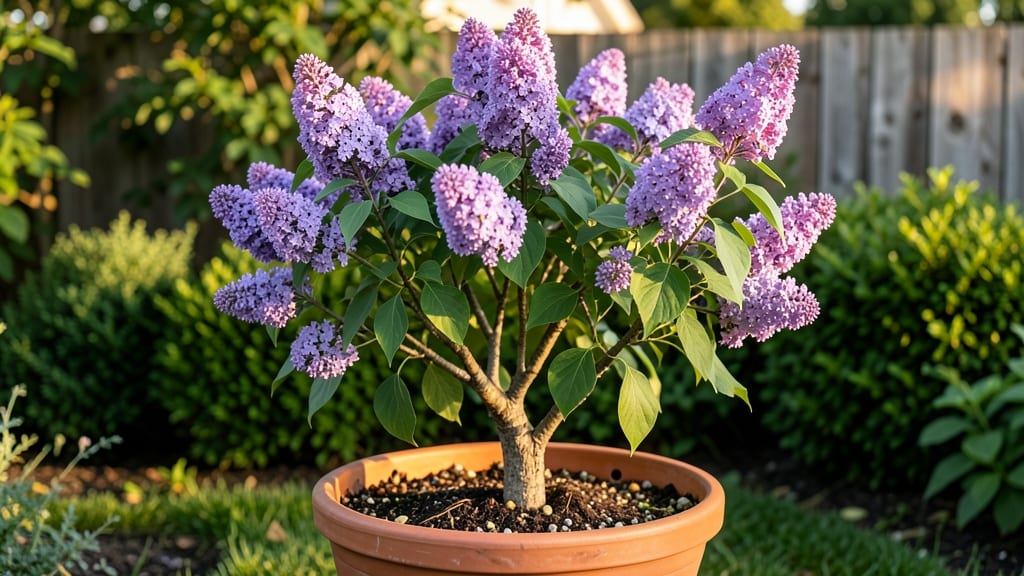
Growing a lilac tree in a pot turns your patio into a fragrant spring paradise. 🌸 I’ve watched my potted lilac transform from a struggling sapling to a blooming powerhouse—all by following a few key container rules that most gardeners miss.
The secret starts with the right pot: at least 18 inches wide and deep with drainage holes, paired with a well-draining soil mix. Too-small containers lead to root-bound stress, while proper drainage prevents soggy roots that drown blooms.
My lilac now thrives in a 24-inch ceramic pot filled with a mix of potting soil, perlite, and compost. Watering shifts from weekly deep soaks in summer to light checks in winter, and pruning after blooms keeps the shape compact. The payoff?
Clusters of fragrant purple blooms that perfume the air for weeks—without the fuss of in-ground planting. Perfect for small spaces, balconies, or anyone who wants to move their lilac to bask in morning sun. Here’s how to set it up right the first time.
📚 In This Guide
- What you need
- Instructions
- Tips and common mistakes
- Wrapping up and next steps
What you need
- ● Container: A large, sturdy pot (at least 18–24 inches in diameter) with drainage holes. Opt for terracotta or fiberglass for durability.
- ● Potting Mix: A high-quality, well-draining mix (e.g., 50% garden soil, 30% compost, and 20% perlite or sand). Avoid heavy clay soil.
- ● Lilac Tree: A dwarf variety (e.g., Syringa meyeri ‘Palibin’) or a young potted sapling (3–5 years old) for best container success.
- ● Drainage Layer: 1–2 inches of gravel, pebbles, or broken pottery to prevent root rot.
- ● Gloves & Pruners: Sharp, sterilized pruners (or small hand shears) for trimming.
- ● Trowel: For mixing soil and planting.
- ● Watering Can: With a narrow spout for even moisture distribution.
- ○ Mulch (Optional): 1–2 inches of bark or shredded leaves to retain moisture and regulate temperature.
- ○ Fertilizer (Optional): Slow-release granular fertilizer (e.g., 10-10-10 NPK) or organic options like compost tea.
Step-by-step guide to growing a lilac tree in a container
Here's how to bring that classic spring fragrance to your patio with just a few simple steps.
🪴 Step 1: Choose the Right Container and Drainage
Lilacs need room to grow, so select a pot at least 18-24 inches wide and deep—they'll outgrow small containers quickly. I always opt for unglazed terra cotta because it breathes and prevents root rot, but any container with drainage holes works. If your pot lacks holes, drill 2-3 extra near the bottom to ensure excess water escapes.
Line the bottom with 1-2 inches of gravel or broken pottery to create an air gap. This prevents soil from clogging the drainage while keeping roots aerated. The gravel layer also helps maintain moisture balance—critical since lilacs hate soggy roots. Place the pot on a cascade tray to catch any runoff during watering.
🌱 Step 2: Plant Your Lilac with Proper Soil and Spacing
Fill the pot ⅓ full with high-quality potting mix—never garden soil, which compacts and suffocates roots. Mix in 1 cup of perlite or coarse sand per 5 gallons of soil to improve drainage. Lilacs prefer slightly acidic to neutral soil, so a balanced 10-10-10 fertilizer worked into the mix gives them a strong start.
Dig a hole twice as wide as the root ball and place your lilac so the top of the root ball sits 1 inch below the pot rim. This allows room for mulch while keeping the plant stable. Backfill with soil, pressing gently to remove air pockets, but don't compact it—lilac roots need loose, oxygen-rich soil to thrive.
☀️ Step 3: Position for Sunlight and Wind Protection
Lilacs crave full sun—6+ hours daily—but they also need shelter from strong winds, which can damage their delicate blooms. Place your pot where it gets morning sun and afternoon shade if summers run hot in your area. A south-facing spot works best for most climates.
Rotate the pot a quarter turn every few weeks so the tree grows evenly. You'll notice leaves leaning toward the light? That's your cue to move it slightly. In winter, bring potted lilacs indoors or wrap the pot in bubble wrap to protect roots from freezing temperatures—below 10°F can kill them.
💧 Step 4: Water and Fertilize for Healthy Growth
Water deeply once a week, letting 1 inch of water drain out the bottom. Check soil moisture by sticking your finger 2 inches deep—if it feels dry, water again. Overwatering is the #1 killer of potted lilacs, so always let the top 1-2 inches of soil dry out between waterings.
Feed your lilac once in early spring with a slow-release fertilizer (like 10-10-10) and again after blooming. Avoid high-nitrogen fertilizers—they promote leafy growth at the expense of flowers. Prune dead blooms immediately to encourage more flowers next year, but never cut into old wood—lilacs bloom on last year's growth.
✂️ Step 5: Prune and Maintain for Long-Term Beauty
Prune right after flowering to shape the tree and remove any dead or crossing branches. Use clean, sharp pruners to make cuts at a 45-degree angle just above a leaf bud. Never prune more than ⅓ of the plant in one season—lilacs are slow to recover from heavy pruning.
Watch for aphids or spider mites, which love lilac leaves. Spray with neem oil if you spot sticky residue or tiny webs. Mulch the top of the soil with 2 inches of shredded bark to retain moisture and keep roots cool. Repot every 2-3 years in spring, moving up 1 pot size to give roots room to grow.
Tips & tricks for perfect container-grown lilac trees
These simple strategies will help your potted lilac thrive and reward you with stunning spring blooms year after year.
Container Size Matters: That 18-24 inch minimum isn't just a suggestion—it's non-negotiable for lilacs. I've seen them struggle in smaller pots where roots get crowded. If you're working with a smaller container, consider planting a dwarf variety like 'Miss Kim' instead. Remember, lilacs grow slowly but steadily, so give them room to develop their strong root system. The wider the pot, the better the stability and drainage.
Soil Mix Secrets: The ⅓ potting mix + 1 cup perlite per 5 gallons ratio creates the perfect balance of aeration and moisture retention. I like to add a handful of worm castings to the mix for extra nutrients without overwhelming the plant. This helps lilacs establish faster, especially in their first year. Avoid garden soil—it compacts and suffocates those delicate roots.
Winter Protection Wisdom: When temperatures drop below 10°F, your lilac's roots are at serious risk. I've learned this the hard way—last winter, I forgot to move my potted lilac indoors and lost it. Now I always bring it inside to a cool garage or basement during freezing nights. If you can't move it, wrap the pot in thick bubble wrap and cover with frost cloth for extra insulation.
Pruning Precision: That ⅓ rule about not pruning more than one-third at a time is crucial. I once pruned too aggressively and my lilac took two years to recover. Always prune right after flowering when you can clearly see the branches. Use clean, sharp pruners to make clean cuts at 45-degree angles—this prevents disease and encourages healthy regrowth.
Pro Tips for Lilac Tree In Pot
- These simple strategies will help your potted lilac thrive and reward you with stunning spring blooms year after year.
- Container Size Matters: That 18-24 inch minimum isn't just a suggestion—it's non-negotiable for lilacs.
- Soil Mix Secrets: The ⅓ potting mix + 1 cup perlite per 5 gallons ratio creates the perfect balance of aeration and moisture retention.
Frequently asked questions
Got questions about growing a lilac tree in a pot? You’re not alone! Here are some of the most common concerns—and their solutions—to help you keep your fragrant beauty thriving.
Can a lilac tree really grow well in a container long-term?
Yes! With the right care, lilacs can thrive in pots for years. Choose a large, sturdy container (at least 18–24 inches wide) with drainage holes, and use well-draining potting mix. Dwarf varieties like ‘Miss Kim’ or ‘Little Lila’ are ideal for containers. Just be prepared to repot every 2–3 years to prevent root-bound stress.
When is the best time to plant a lilac in a pot?
The best times are early spring (after last frost) or early fall (6 weeks before first frost). Avoid planting in summer heat or winter cold, as lilacs are sensitive to stress. If you’re repotting an established lilac, do it in late winter or early spring before new growth begins.
How often should I water a potted lilac?
Potted lilacs need consistent moisture but hate soggy roots. Water deeply when the top 1–2 inches of soil feel dry (usually 1–2 times per week, more in summer). Use a self-watering pot or moisture meter for convenience. Pro tip: Mulch the soil surface to retain moisture and regulate temperature!
Why isn’t my potted lilac blooming?
Lilacs need full sun (6+ hours/day) and proper pruning to bloom well. If yours isn’t flowering, check for:
- Insufficient sunlight (move it to a sunnier spot).
- Overcrowded roots (repot if needed).
- Lack of pruning (trim after blooming to encourage next year’s flowers).
- Nutrient deficiency (fertilize in early spring with balanced 10-10-10 or lilac-specific food).
How do I protect my potted lilac from winter cold?
Lilacs are hardy but need winter care in pots. Before frost:
- Move the pot to a sheltered, unheated space (like a garage or against a wall).
- Wrap the pot in bubble wrap or frost cloth to insulate roots.
- Avoid fertilizing in late fall—it encourages tender new growth.
In extreme cold zones (below Zone 5), consider digging and storing the root ball in a cool, dark place (like a basement) until spring.
Wrapping up and next steps
Growing a lilac tree in a pot is a rewarding way to enjoy its fragrant blooms without sacrificing space—just remember to prioritize proper drainage, regular pruning, and seasonal care.
With the right container, soil, and a little patience, your lilac will thrive and fill your garden (or balcony!) with sweet spring scents. 🌸✨
Ready to take the next step? Start by selecting your container and gathering supplies—then roll up your sleeves and give your lilac the love it deserves!