
How To
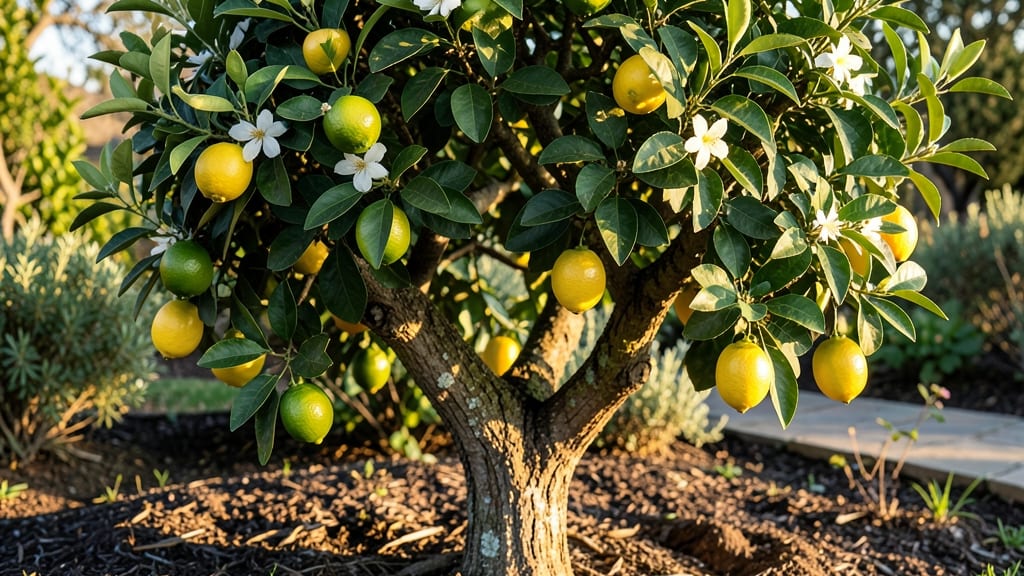
A lemon tree can grow anywhere from 6 feet to towering 20 feet tall, depending on the variety and how you care for it 🍋.
Dreaming of a sun-drenched citrus grove in your backyard? Lemon trees aren’t just ornamental—they’re productive powerhouses, but their height can vary wildly depending on variety, care, and climate.
Standard varieties like Eureka or Lisbon can reach 15 to 20 feet if left unpruned, while dwarf types like Meyer stay compact at 6 to 12 feet—perfect for containers or small yards.
Here’s how to choose the right size for your space, control growth naturally, and keep your tree thriving without sacrificing fruit production.


Lemon tree height by variety: dwarf to standard sizes explained
Choosing the right lemon tree variety is the first step to controlling its height. Some varieties stay compact enough for containers, while others grow into towering backyard giants.
The Meyer lemon, for example, is the most popular dwarf variety, perfect for patios, while the Eureka lemon can reach heights that dwarf even the tallest gardeners. Understanding these differences helps you plan your garden layout and avoid overcrowding.
Your lemon tree’s mature height depends on its genetic variety, growing conditions, and pruning habits. In ideal conditions, a standard lemon tree can grow 15–20 feet tall, while dwarf varieties like Villa Franca max out around 6–12 feet.
Even within dwarf types, growth varies—some stay bushy and wide, while others grow taller but with a narrower canopy. Always check the variety’s description before purchasing to match your space.
| Variety | Mature Height | Growth Rate (Yearly) | Best For | Container Suitable? |
|---|---|---|---|---|
| Meyer Lemon (Citrus × meyeri) | 6–12 ft | 1–2 ft/year | Patios, small gardens | ✅ Yes (15–25 gal pot) |
| Eureka Lemon (Citrus limon) | 15–20 ft | 2–3 ft/year | Large yards, commercial groves | ❌ No (too large) |
| Lisbon Lemon (Citrus limon) | 12–16 ft | 1.5–2.5 ft/year | Backyards, urban gardens | ⚠️ Large pots only (50+ gal) |
| Villa Franca Lemon | 6–10 ft | 1–1.5 ft/year | Containers, small spaces | ✅ Yes (15–30 gal pot) |
If you’re growing lemons in a container, prioritize dwarf varieties like Meyer or Villa Franca. These stay under 10 feet tall and thrive in 15–30 gallon pots, making them ideal for balconies or patios.
For in-ground planting, Eureka and Lisbon varieties need 15–20 feet of vertical space, so plant them near fences or along property lines. Always leave 6–10 feet of clearance around the trunk for airflow and maintenance.
Growth rates also differ by variety. The Meyer lemon grows 1–2 feet per year, while Eureka lemons can shoot up 2–3 feet annually if unpruned. This means a 5-year-old Eureka lemon could already be taller than a basketball hoop (10 feet).
Plan accordingly—if you want a shorter tree, prune regularly or choose a dwarf variety from the start.
Pruning plays a huge role in controlling height. Even standard varieties like Lisbon lemons can be kept under 12 feet with annual pruning in late winter. Use sharp, sterilized shears to cut back 1/3 of the canopy each year, focusing on upward-growing branches.
This encourages bushier growth and more fruit production at eye level. Just avoid heavy pruning in summer, as it stresses the tree.
For small gardens or urban spaces, consider spacer trees like the Meyer lemon, which stay compact and produce sweet, juicy lemons perfect for cocktails or baking. If you love the classic tart lemon flavor of Eureka varieties but lack space, opt for a grafted dwarf rootstock.
These trees grow on the same root system as a dwarf variety but produce the fruit of a standard tree—giving you the best of both worlds.
Remember, soil quality and sunlight also impact height. Lemon trees need well-draining, slightly acidic soil (pH 6.0–7.0) and 6+ hours of direct sun daily. Poor soil or shade slows growth, while ideal conditions can make even dwarf varieties grow taller than expected.
Amend your soil with compost and citrus-specific fertilizer to ensure healthy, controlled growth.
How climate zones affect lemon tree growth height
Your lemon tree’s vertical growth is heavily influenced by your USDA climate zone. In zones 10-11, where winters rarely drop below 30°F, lemon trees can reach their full 15-20 feet potential.
But in zone 9 or colder, frost risks force trees to stay shorter—often 6-12 feet—unless you take protective measures. Even within zones, microclimates (like sunny south-facing walls) can push growth limits.
In USDA zones 8-9, lemon trees grow slower and may need winter protection like thick mulch or frost cloth.
Without it, cold snaps can stunt growth or kill young trees entirely. Humidity also plays a role—high humidity in zones 10-11 can encourage faster, taller growth, while drier zones may see more compact trees. Indoor lemon trees (common in zones 6-7) rarely exceed 6 feet unless trained to climb.
To control height in colder zones, I recommend pruning in late winter (just before new growth) to remove 1/3 of the canopy.
This encourages bushier growth and prevents weak branches from snapping under snow. Mulching with 4-6 inches of organic matter (like straw) insulates roots and reduces stress that can stunt growth. In zone 8, I’ve seen lemon trees thrive at 8 feet with these adjustments—half their potential height!
Humidity also affects height—drier climates (like zone 9b) often produce taller but leggier trees, while humid zones 10-11 yield stockier, shorter growth. If you’re in a high-humidity zone, increase airflow with pruning to prevent fungal diseases that can weaken the tree’s structure.
For container trees, root restriction (using slightly smaller pots) naturally limits height while boosting fruit production.
Microclimates can override zone expectations. A south-facing wall in zone 8 might let your lemon tree grow 2 feet taller than the average for that zone.
Similarly, indoor grow lights can push container trees toward their outdoor height potential—just ensure they get 12+ hours of light daily to avoid elongated, weak growth. Always monitor your tree’s growth rate and adjust care accordingly.
Remember: dwarf varieties (like Meyer lemons) stay 6-8 feet even in zone 11, while standard varieties will reach 20 feet without intervention. Choose your variety based on your zone and space, then adapt care to keep it healthy and manageable.
With the right approach, you can enjoy lemons year-round—no matter your climate! 🍋