
Container Gardens
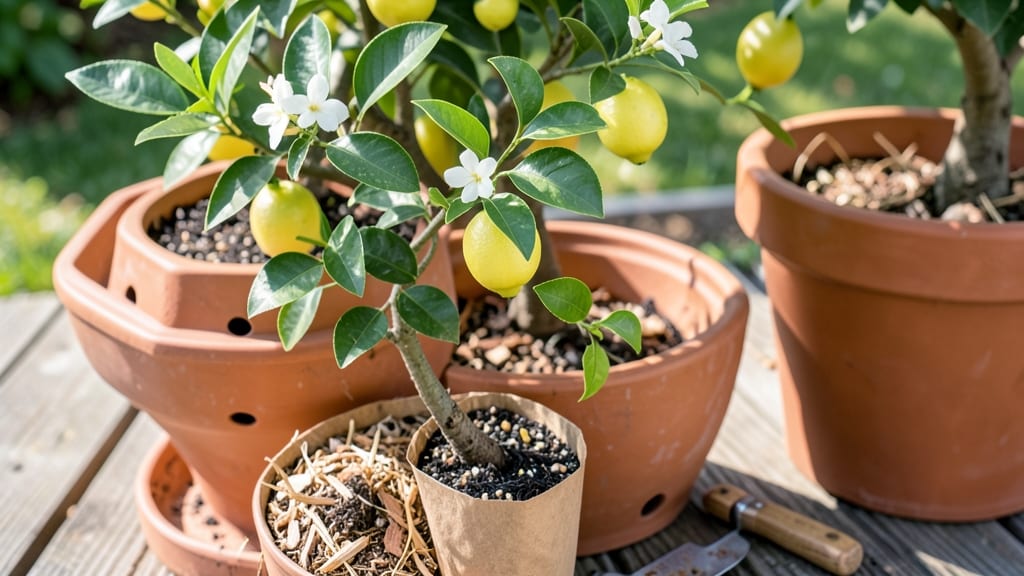
Planting a Meyer lemon tree in a pot means fresh citrus year-round, even on a balcony or kitchen windowsill. 🌱 The key is matching the right container, soil, and light to what this tender tree needs to thrive—something I learned after my first attempt struggled in a cramped pot with poor drainage.
You’ll need a 12-15 gallon container (minimum 18 inches deep) with drainage holes, a well-draining potting mix, and a sunny spot getting 6-8 hours of light daily. Meyer lemons hate soggy roots, so we’ll layer in perlite or sand to keep things airy while still holding moisture.
Within 3 months, you’ll see new growth and maybe even your first tiny lemons—if you keep the soil consistently moist (not soggy) and fertilize lightly every 4-6 weeks with citrus-specific food. The trick is balancing water and light without overdoing either.
This method works for indoor or outdoor growing (just bring pots inside when temps drop below 40°F). Let’s get that tree off to the right start!
📚 In This Guide
- What you need
- Instructions
- Tips and common mistakes
- Wrapping up and next steps
What you need
- ● Meyer lemon tree (bare-root or potted, 1-3 years old for best results)
- ● Pot (12–15 inches in diameter with drainage holes; terracotta or ceramic preferred)
- ● Well-draining potting mix (3–5 gallons; citrus-specific or cactus/succulent mix + 20% perlite/pumice for aeration)
- ● Gravel or pebbles (1–2 inches for drainage layer at the pot’s bottom)
- ● Slow-release citrus fertilizer (or organic options like fish emulsion or compost)
- ● Watering can with a narrow spout (for precise hydration)
- ● Pruning shears (sterilized, for shaping and maintenance)
- ○ Support stake or trellis (optional but helpful for young trees as they grow)
- ● Humidity tray (pebble tray with water to boost moisture in dry climates)
- ● pH test kit (to monitor soil acidity; Meyer lemons thrive in 6.0–7.0 range)
- ● Mulch (organic like straw or coconut coir to retain moisture)
- ● Grow lights (if placing indoors with less than 6 hours of sunlight daily)
- ● Spray bottle (for misting leaves and preventing spider mites)
Step-by-step guide to planting a Meyer lemon tree in a pot
Here’s the foolproof way to grow a thriving Meyer lemon tree indoors—no greenhouse needed.
🪴 Step 1: Choose the Right Container and Soil Mix
Start with a 12-15 inch diameter pot (or larger) with multiple drainage holes—Meyer lemons despise soggy roots. I use a terra cotta pot because it breathes, but any unglazed ceramic or plastic with drainage works. Fill the bottom 2 inches with gravel or coarse sand to prevent root rot and improve aeration.
Next, mix 60% premium potting soil with 30% perlite and 10% compost. This blend drains well while retaining enough moisture for citrus roots. Avoid garden soil—it compacts and suffocates roots. Wet the mix until it’s damp but not dripping, then fill the pot to 1 inch below the rim. Tap the pot gently to settle the soil without compacting it.
🌱 Step 2: Plant Your Meyer Lemon Tree Properly
Gently remove your Meyer lemon tree from its nursery pot and loosen the roots if they’re circling. Place it in the center of your prepared pot, ensuring the root flare (where roots meet the trunk) sits just above soil level. This prevents the trunk from rotting as it ages.
Fill in around the roots with your soil mix, pressing lightly to eliminate air pockets. Water deeply until water runs freely from the drainage holes—this settles the soil and removes excess air. After planting, place the pot in a bright, indirect light spot (like an east-facing window) for 3-5 days to reduce transplant shock.
☀️ Step 3: Position for Optimal Light and Humidity
Meyer lemons need 6-8 hours of direct sunlight daily, but avoid harsh afternoon sun at first—it can scorch tender new leaves. A south- or west-facing window works best, but if natural light is weak, supplement with a grow light (keep it 6-12 inches above the tree).
Increase sunlight gradually over 1-2 weeks to harden the tree. Maintain 50-60% humidity by placing the pot on a pebble tray with water or misting leaves 2-3 times weekly. You’ll know humidity is right when leaves stay plump and glossy—not crispy or drooping.
💧 Step 4: Water and Fertilize for Healthy Growth
Water when the top 2 inches of soil feel dry—stick your finger in to check. Overwatering is the #1 killer of potted citrus, so never let the pot sit in saucers of water. When you do water, soak the soil until it drains freely from the bottom. After 3 months, your tree should need watering every 7-10 days (adjust for your climate).
Fertilize monthly in spring and summer with a balanced citrus fertilizer (like 8-8-8 or 10-10-10). In fall and winter, reduce to every 6-8 weeks—citrus trees rest during cooler months. You’ll see new growth within 4-6 weeks if the fertilizer is working right.
✂️ Step 5: Prune and Care for Long-Term Success
Prune in late winter or early spring to shape the tree and encourage airflow. Cut back overly long branches to just above a leaf node, and remove any dead or crossing branches with sterilized pruners. This prevents disease and keeps the tree compact enough for indoor growing.
Watch for yellow leaves—this usually means overwatering or nutrient deficiency. Adjust your watering schedule or switch to a citrus-specific fertilizer if growth slows. With proper care, your Meyer lemon tree will reward you with blossoms in 1-2 years and fruit in 2-3 years!
Tips & tricks for growing a thriving Meyer lemon tree in pots
A few insider tricks that'll help your Meyer lemon tree not just survive, but thrive indoors with minimal fuss.
Soil Mix Secret: When mixing your 60-30-10 soil blend, I like to add a handful of worm castings to the compost for extra nutrients. This gives your tree a gentle boost without overwhelming it—especially important during those first 3 critical months. The castings also help establish beneficial microbes in the soil that citrus trees love.
Transplant Shock Prevention: After planting, I recommend a 7-10 day acclimation period in bright indirect light before introducing direct sun. This gradual transition helps the tree adjust to its new environment without the stress of sudden light exposure. Think of it like helping a new houseplant settle in—patience pays off with stronger roots.
Lighting Hacks: If your windows don't get enough sunlight, a LED grow light on a timer (12-14 hours daily) works wonders. Position it just above the tree's canopy—about 12 inches away—and adjust as the tree grows. I've seen trees grow just as well under lights as they do in sunny windows, especially in northern climates.
Watering Wisdom: The "top 2 inches dry" rule is perfect, but here's what I watch for: if the pot feels unusually light between waterings, it might be drying out faster than expected. This often happens when humidity drops below 40%—consider adding a humidifier nearby or grouping your citrus plants together to create a microclimate. The key is keeping those roots consistently moist but never soggy.
Pro Tips for Plant A Meyer Lemon Tree In A Pot
- A few insider tricks that'll help your Meyer lemon tree not just survive, but thrive indoors with minimal fuss.
- Soil Mix Secret: When mixing your 60-30-10 soil blend, I like to add a handful of worm castings to the compost for extra nutrients.
- Transplant Shock Prevention: After planting, I recommend a 7-10 day acclimation period in bright indirect light before introducing direct sun.
Frequently asked questions
Got questions about growing your Meyer lemon tree in a pot? You’re not alone! Here are answers to the most common concerns—so you can avoid pitfalls and enjoy sweet, homegrown lemons in no time.
How big should the pot be for a Meyer lemon tree?
A 5-gallon container is ideal for young trees, but aim for at least 12–15 inches in diameter for mature trees. Meyer lemons need room for roots to spread—crowding leads to stunted growth or poor fruiting. Use pots with drainage holes to prevent root rot!
When is the best time to plant a Meyer lemon tree in a pot?
Plant in early spring (after last frost) for outdoor pots or indoors anytime if you’re keeping it year-round. If transplanting an established tree, do it in late winter or early spring to minimize stress. Avoid planting in extreme heat—roots need time to establish before summer!
How much sunlight does a potted Meyer lemon tree need?
Meyer lemons thrive with 6–8 hours of direct sunlight daily. Place pots near a south- or west-facing window indoors or move them outdoors in warm months. No sunlight? Use a grow light (12+ hours/day) to prevent leggy growth or leaf drop.
Why isn’t my potted Meyer lemon tree fruiting?
Common reasons include:
- Insufficient sunlight (move closer to a window or outdoors).
- Lack of nutrients—fertilize with citrus-specific food every 4–6 weeks in growing season.
- Young age—trees under 2–3 years old may not fruit yet!
- Temperature stress—keep indoors below 40°F or above 90°F.
Can I grow a Meyer lemon tree in a small apartment?
Meyer lemons adapt well to indoor pots if you provide:
- A sunny spot (south-facing window or grow lights).
- Regular watering (keep soil lightly moist but not soggy).
- Humidity—mist leaves or use a pebble tray to combat dry air.
- Seasonal outdoor time (spring/summer) for stronger growth.
Just avoid drafts (like AC vents) and rotate the pot weekly for even sunlight!
Wrapping up and next steps
Growing a Meyer lemon tree in a pot is a rewarding journey that brings fresh, fragrant citrus right to your kitchen! With the right container, soil, sunlight, and care, you’ll enjoy sweet lemons in just a few months.
Remember: patience and consistency are key—your tree will thank you with vibrant blooms and juicy fruit. 🌱✨
Now that you’re ready to plant, take the next step: monitor your tree’s progress, adjust care as needed, and soon, you’ll be harvesting homegrown lemons for zesty recipes, gifts, or homemade lemonade. Happy gardening!