
How To
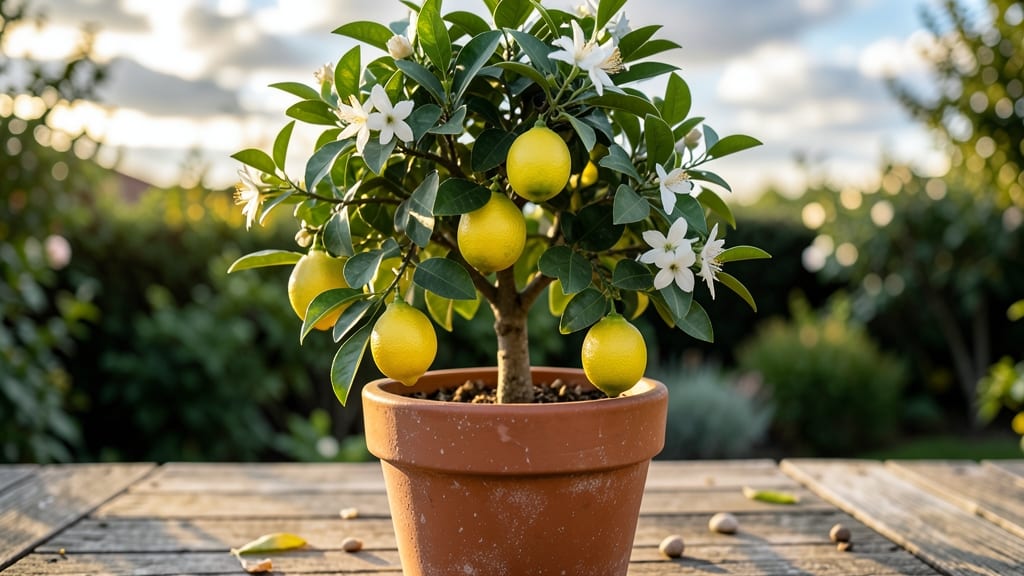
A dwarf lemon tree grows to a compact 6 to 8 feet tall at maturity—ideal for small yards, patios, or even large containers 🍋. That’s the height you can expect with proper care, but many gardeners underestimate how quickly these trees can reach their full size if left unchecked.
Dreaming of fresh lemons but short on space? Dwarf lemon trees offer the perfect solution—delicious fruit without the sprawling canopy. But how much room do they really need? The answer depends on the variety, your pruning habits, and whether you’re growing it in a pot or in the ground.
Compared to standard lemon trees, which tower 20 to 30 feet tall, dwarf varieties stay manageable while still producing abundant fruit. With the right care, you can keep them even smaller—making them perfect for urban gardens or balconies.
In this guide, I’ll break down everything you need to know: typical growth ranges, ideal conditions for keeping them compact, and pruning tips to maintain their size. Let’s get started!


Dwarf lemon tree height guide: exact growth ranges by variety
If you're wondering how tall does a dwarf lemon tree grow, the answer depends on the variety you choose. Unlike their towering standard counterparts that reach 20-30 feet, dwarf varieties stay compact—perfect for patios, containers, or small yards.
But not all dwarfs are created equal. Some varieties top out at 6 feet, while others may stretch toward 8 feet with ideal care. Let's break down the exact growth ranges so you can plan your space wisely.
The Meyer lemon tree, one of the most popular dwarf varieties, typically reaches 6-8 feet tall at maturity. Its close relative, the Improved Meyer lemon, follows similar growth patterns but often stays slightly shorter.
These varieties are prized for their sweet-tart fruit and cold tolerance, making them ideal for gardeners in USDA Zones 8-11. Even in containers, they thrive when given proper sunlight and care, though their height may be slightly stunted compared to ground-planted trees.
| Variety | Mature Height (ft) | Growth Rate (First 3 Years) | Ideal Spacing (Containers) | Ideal Spacing (Ground) |
|---|---|---|---|---|
| Meyer Lemon | 6-8 ft | 2-3 ft/year | 18-24" pot diameter | 8-10 ft from structures |
| Improved Meyer Lemon | 5-7 ft | 1.5-2.5 ft/year | 15-20" pot diameter | 6-8 ft from structures |
| Eureka Dwarf Lemon | 8-10 ft | 2-4 ft/year | 24-30" pot diameter | 10-12 ft from structures |
| Lisbon Lemon | 6-8 ft | 1.5-3 ft/year | 18-24" pot diameter | 8-10 ft from structures |
| Ponderosa Lemon | 10-12 ft (taller dwarf) | 3-5 ft/year | 30"+ pot diameter | 12-15 ft from structures |
The Eureka Dwarf lemon is another favorite but leans toward the taller end of the dwarf spectrum, often reaching 8-10 feet. This variety is known for its thick-skinned, juicy lemons, which are perfect for cooking or fresh juice.
If you're growing it in a container, expect it to grow slightly slower but still benefit from regular pruning to maintain its shape. For ground planting, give it plenty of space—10-12 feet from walls or other structures to avoid shading issues.
For gardeners with limited space, the Lisbon lemon is a great mid-sized option, typically staying between 6-8 feet tall. It’s slightly more cold-hardy than other dwarfs, making it a solid choice for USDA Zone 8 gardeners.
When grown in containers, this variety thrives in 18-24 inch pots, provided you repot every few years to accommodate root growth. Unlike larger trees, dwarfs like the Lisbon lemon can be moved indoors during winter in colder climates to protect them from frost.
If you're eyeing a Ponderosa lemon, be prepared for a taller dwarf—this variety can reach 10-12 feet at maturity. Its massive, thick-skinned fruit is a standout feature, but its height means it’s better suited for ground planting or very large containers.
For container growing, opt for a 30-inch pot or larger and expect to prune regularly to control its size. The Ponderosa’s rapid growth rate means it can add 3-5 feet in just one year, so plan accordingly if space is limited.
When deciding on spacing, remember that container size matters. A 15-gallon pot is ideal for most dwarf varieties, but larger pots (like 25-30 gallons) give roots more room to grow, which can slightly increase the tree’s mature height.
For ground planting, maintain at least 6-10 feet of clearance around the tree to ensure proper airflow and sunlight penetration. Poor spacing can lead to overcrowding, which stresses the tree and may encourage unwanted height growth as it stretches for light.
Growth rates also vary by season. In spring and summer, dwarf lemon trees can grow 1-2 feet per year, while winter growth slows dramatically.
If you notice your tree growing taller than expected, check for signs of over-fertilization or root-bound conditions, both of which can spur rapid vertical growth. Regular pruning in late winter or early spring helps maintain the desired height and encourages a fuller, bushier shape with more fruit-bearing branches.
One common misconception is that dwarf lemon trees stay small without any effort. While they’re naturally compact, they still need proper care to prevent overgrowth. This
How to maximize growth in small spaces: pruning and care tips
Dwarf lemon trees thrive in tight spaces, but their height control depends on smart care. With the right pruning schedule and container setup, you can keep them compact while boosting fruit production. I’ve grown Meyer lemon trees in 15-gallon pots for years—here’s how I do it.
Start by choosing the right container size (at least 15 gallons) and well-draining soil mix. Dwarf varieties like Improved Meyer need full sun (6+ hours daily) and consistent moisture. Without proper care, even dwarf trees can grow unexpectedly tall—up to 8 feet—so pruning is key.
- 🌱 Prune in late winter (before new growth) to shape the tree and remove dead or crossing branches. Use clean, sharp pruning shears to avoid damaging stems.
- 🌿 Train young trees with a central leader (main upright stem) and scaffold branches at 45-degree angles. This encourages a balanced shape and prevents legginess.
- ✂️ Thin out dense foliage in spring to improve air circulation and sunlight penetration. Focus on inner branches that block light from reaching the center.
- 💧 Water deeply 2-3 times per week in summer, but let the top 1-2 inches of soil dry between waterings. Overwatering causes root rot, which stunts growth.
- ☀️ Move containers to a sheltered spot in winter if temps drop below 20°F. Dwarf lemons are hardy to USDA Zone 9, but younger trees need protection.
For container-specific care, use a lightweight potting mix with perlite or sand to prevent compaction. Repot every 2-3 years to refresh nutrients—root-bound trees grow slowly and leggy. I top-dress with compost annually to keep soil fertile.
Fertilize every 4-6 weeks during growing season (spring-fall) with a balanced citrus fertilizer (10-10-10). Avoid high-nitrogen feeds—they promote leafy growth over fruit. Instead, opt for phosphorus-rich fertilizers to encourage blooming.
Watch for overgrowth signs: long, bare stems or leafy but fruitless branches. These indicate pruning neglect or nutrient imbalances. Trim back 1/3 of new growth annually to maintain compactness. With these tips, your dwarf lemon tree will stay 6-8 feet tall while producing abundant fruit.
Pro tip: Harvest lemons regularly—removing ripe fruit signals the tree to produce more. A well-pruned, cared-for dwarf lemon tree is a year-round citrus powerhouse in even the smallest yard or patio! 🍋