
How To
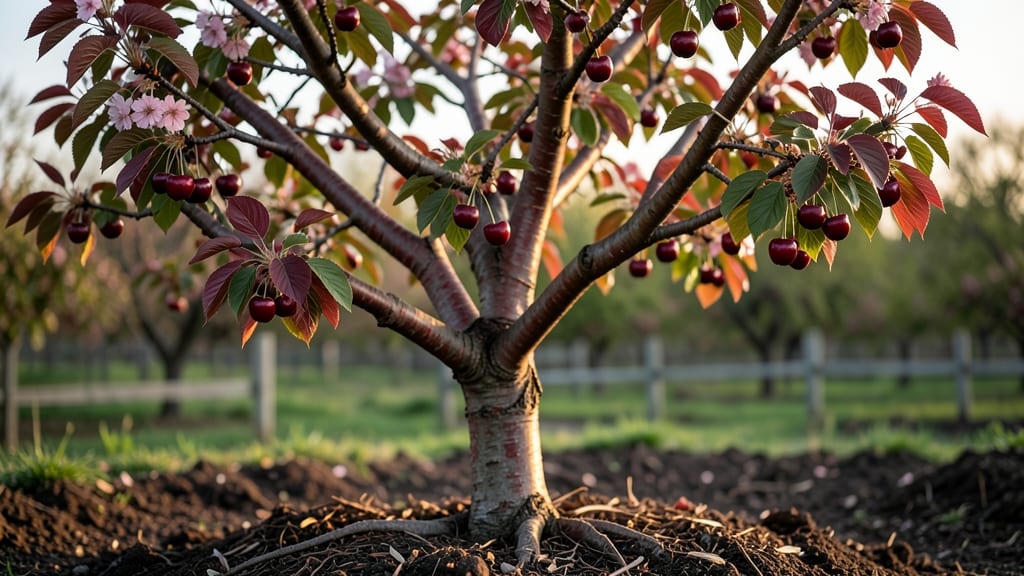
Cherry trees grow between 20 and 40 feet tall at maturity, depending on the variety and rootstock you choose — a range that can transform your yard from a cozy corner to a towering focal point.
Picture this: a 30-foot Bing cherry tree casting shade over your patio by summer, or a compact Stella dwarf variety adding color without crowding your small space. The right choice isn’t just about aesthetics—it’s about long-term planning for pruning, sunlight, and even fruit harvesting.
Standard cherry trees like the Black Tartarian or Rainier can reach heights of 30 to 40 feet, while dwarf varieties stay between 8 and 12 feet.
Semi-dwarf options bridge the gap, growing 12 to 18 feet tall—perfect for medium-sized yards. But here’s the catch: rootstock matters just as much as the variety itself.
In this guide, I’ll break down the height differences by species, share pruning tips to manage growth, and help you pick the perfect cherry tree for your space—whether you’re dreaming of a backyard orchard or a single statement tree.


Cherry tree height ranges by variety: dwarf vs standard vs semi-dwarf
If you’ve ever dreamed of growing your own cherry tree but worried about it becoming a towering giant, you’re not alone. The height of a cherry tree depends entirely on its variety and rootstock.
Standard cherry trees can reach 20-40 feet, while dwarf varieties stay compact at just 8-12 feet. Knowing these differences helps you choose the perfect tree for your space—whether it’s a small urban yard or a sprawling orchard.
Most cherry trees fall into three height categories: dwarf, semi-dwarf, and standard. The rootstock (the underlying root system) determines how tall a tree will grow. For example, a Bing cherry on a standard rootstock will dwarf one grafted onto a Mazzard rootstock.
Let’s break down the heights of popular varieties and how rootstocks control growth.
🌱 Pro Tip: Always check the rootstock type when buying cherry trees—it’s the secret to controlling height without sacrificing fruit production.
| Variety | Rootstock Type | Mature Height (ft) | Best For | Notes |
|---|---|---|---|---|
| Bing | Standard (Mazzard) | 25-35 ft | Large yards, orchards | Classic sweet cherry; needs space |
| Bing | Semi-Dwarf (Gisela 5) | 12-18 ft | Medium yards, containers | Easier to harvest; still productive |
| Stella | Dwarf (Colt) | 8-12 ft | Small gardens, patios | Self-pollinating; low-maintenance |
| Rainier | Standard (Mazzard) | 30-40 ft | Large properties, commercial orchards | Yellow-red cherries; needs cross-pollination |
| Black Tartarian | Semi-Dwarf (Gisela 6) | 15-20 ft | Suburban homes, small orchards | Dark cherries; cold-hardy |
| Montmorency | Dwarf (Colt) | 8-10 ft | Urban gardens, containers | Sour cherries; great for pies |
| Skeena | Semi-Dwarf (Gisela 5) | 12-16 ft | Backyard orchards, small farms | Self-pollinating; disease-resistant |
🌳 Note: Heights vary based on growing conditions, pruning, and soil quality.
The Bing cherry is one of the most popular varieties, but its height depends entirely on the rootstock. On a standard Mazzard rootstock, it can soar to 35 feet, while on a Gisela 5 semi-dwarf rootstock, it stays manageable at 12-18 feet.
This makes it perfect for suburban yards where space is limited but you still want a productive tree.
For small gardens or urban spaces, dwarf varieties like Stella or Montmorency are ideal. These trees top out at 8-12 feet, making them easy to maintain and harvest. Plus, they often produce fruit earlier than their taller counterparts, giving you sweeter cherries with less waiting.
💡 Key Insight: Semi-dwarf rootstocks (like Gisela 5 or 6) offer a middle ground—taller than dwarfs but smaller than standards. They’re a great choice for homeowners who want a balance between space efficiency and productivity.
Ornamental cherry trees, like the Prunus serrulata (Japanese cherry), also vary in height. Some cultivars, such as Kw
How to choose the right cherry tree height for your space
Selecting the perfect cherry tree height starts with understanding your space and long-term goals. A standard cherry tree can reach 20-40 feet tall, while dwarf varieties stay between 8-12 feet.
Your yard size, sunlight exposure, and even soil type play critical roles in determining which height works best for you.
For urban gardens or small backyards, dwarf or semi-dwarf cherry trees are ideal because they fit neatly into tight spaces while still producing abundant fruit. These compact varieties grow on specialized rootstocks that restrict their height, making them perfect for containers or tight corners.
Larger yards, on the other hand, can accommodate standard cherry trees, which offer a majestic presence and full fruit production potential.
🌱 Cherry Tree Height Guide
| Variety Type | Mature Height | Best For |
|---|---|---|
| Dwarf | 8-12 ft | Small yards, containers, urban gardens |
| Semi-Dwarf | 12-18 ft | Medium yards, patio spaces |
| Standard | 20-40 ft | Large yards, orchards, landscape focal points |
Sunlight is another critical factor. Cherry trees thrive in full sun (6+ hours daily), but their height can influence how they cast shade. A taller cherry tree will create a larger shaded area, which might be perfect for creating a cool, inviting space under its branches.
However, if your yard is already shaded, opt for a dwarf variety to maximize sunlight exposure for other plants.
Soil type affects root development and, consequently, tree height. Well-draining, slightly acidic soil (pH 6.0-6.5) is ideal for cherry trees. If your soil is heavy clay or poorly drained, consider amending it with compost or planting in raised beds.
This ensures healthy root growth, which directly impacts how tall your cherry tree will grow over time.
Pruning plays a vital role in managing cherry tree height, especially for standard varieties. I recommend structural pruning in late winter or early spring to shape the tree and control its height naturally. For dwarf varieties, light pruning is often sufficient to maintain their compact form.
Always use sterilized pruning tools to prevent disease spread, and remove no more than 25% of the canopy in a single session.
Consider your long-term maintenance goals when selecting a cherry tree height. Taller trees require more frequent pruning and may need support as they grow. Dwarf varieties, while easier to maintain, may produce slightly smaller fruit yields.
Balance these factors with your available space and commitment to care to choose the perfect cherry tree for your garden.