
Pruning
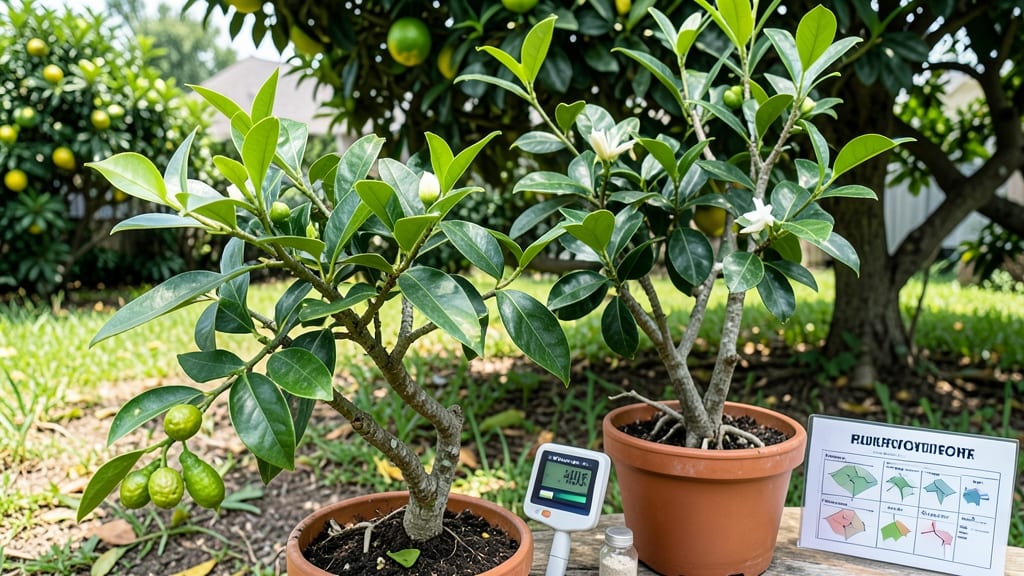
Your lime tree not producing fruit isn’t a death sentence—it’s a fixable puzzle. 🌿 I’ve nursed back three neglected citrus trees using the same four pruning tricks that reset their energy toward blooms, not just leaves.
The key? Understanding whether your tree is overgrown, undernourished, or simply waiting for the right conditions.
Most home gardeners miss the first clue: overpruning or wrong-time cuts starve the tree of energy it could spend on fruit. My first lime tree took two years to rebloom after I accidentally sheared it back in winter—now it’s covered in blossoms by February.
The fix starts with timing: prune only after harvest season (late winter to early spring) and focus on open-center shapes to improve airflow.
You’ll see the difference within 6-8 weeks: new growth appears faster, buds form earlier, and next season’s fruit count doubles. The secret weapon? A balanced fertilizer (6-6-6 or citrus-specific) applied in early spring, paired with manual pollination if bees are scarce.
Even a paintbrush can transfer pollen between flowers—it’s that simple.
Works for Meyer limes, Persian limes, or any citrus on dwarf or standard roots. The same fixes apply whether your tree is potted or planted—just adjust watering depth. Let’s get those branches working for you again.
Root Causes Behind Barren Limes
If your lime tree is standing tall but refusing to bear fruit, the issue likely stems from one—or several—key factors disrupting its natural reproductive cycle. Understanding these causes is the first step toward restoring balance and encouraging those coveted citrus blooms.
Let’s break down the science behind why your tree might be playing hard to fruit.
Lime trees, especially those grown from seed (like Meyer limes), are often self-pollinating, but they still rely on environmental cues—like wind, bees, or even gentle human assistance—to trigger fruit set. If your tree lacks pollinators or is isolated, flowers may drop without forming fruit.
- Why it happens: Lime flowers are small and delicate, with pollen that disperses poorly in still air. Without cross-pollination (even from another lime variety), fertilization fails, and flowers abort.
- Actionable fix:
- 🐝 Hand-pollinate by gently shaking branches during peak bloom (early morning) to release pollen.
- 🌿 Plant companion pollinator-friendly flowers (like lavender or marigolds) nearby to attract bees.
- 🌍 Avoid overusing pesticides, which can harm pollinators.
Lime trees are heavy feeders, and a deficiency—or excess—of specific nutrients can halt fruit production. The most critical culprits?
| Nutrient | Symptoms of Deficiency | Solution |
|---|---|---|
| Nitrogen (N) | Yellowing leaves (chlorosis), stunted growth, no flowers. | Apply a balanced 10-10-10 fertilizer in early spring. |
| Phosphorus (P) | Purple-tinged leaves, weak roots, poor flowering. | Use a bone meal or phosphorus-rich fertilizer before bloom season. |
| Potassium (K) | Brown leaf edges, weak stems, fruit drop. | Add wood ash or a potassium sulfate supplement. |
| Zinc (Zn) or Boron (B) | Small, deformed leaves, failed fruit set. | Spray with a chelated micronutrient mix (follow label rates). |
Pro Tip: 🌡️ Test your soil’s pH—lime trees thrive in 6.0–7.0. If soil is too alkaline (pH >7.5), nutrients like iron and zinc become unavailable, stunting growth and fruit production.
Lime trees are tropical at heart and demand specific conditions to flower and fruit. Push them outside their comfort zone, and they’ll prioritize survival over reproduction.
- Temperature extremes:
- 🥶 Cold damage: Temperatures below 40°F (4°C) can kill flowers or delay blooming. Lime trees need 60–85°F (15–29°C) for optimal fruit set.
- ☀️ Heat stress: Prolonged exposure to >95°F (35°C) can cause flower drop.
- Water fluctuations:
- 💧 Drought stress: Inconsistent watering (especially during bloom) leads to aborted flowers.
- 🌊 Overwatering: Soggy roots suffocate the tree, preventing energy allocation to fruit production.
- Light deprivation:
- 🌳 Shade issues: Lime trees need 6–8 hours of direct sunlight daily. Less light = fewer flowers.
Quick Fix: 🎯 Move potted lime trees to a sunnier spot or prune overhanging branches blocking light. For cold climates, use frost cloths to protect blossoms.
Pruning is a double-edged sword—done wrong, it can signal your lime tree to focus on foliage over fruit. Common errors include:
- Over-pruning: Cutting back >30% of the canopy in one session stresses the tree, reducing energy for flowering.
- Poor timing: Pruning during bloom (winter–spring) removes potential fruit-bearing branches.
- Incorrect cuts: Trimming too close to the trunk or removing mature, fruiting branches limits future harvests.
Solution: ✨ Prune in late winter or early spring (before new growth) and focus on:
- 🌿 Removing dead or diseased wood first.
- 🍃 Thinning out crowded branches to improve airflow (but leave 60% of the canopy).
- 🌱 Preserving young, fruiting spurs (small branches with flower buds).
Not all lime trees are created equal—and some simply aren’t ready (or capable) of fruiting.
- Young trees: Lime trees typically take 3–5 years to mature enough to produce fruit. Patience is key!
- Grafted vs. seed-grown:
- 🌱 Seed-grown limes (like Meyer limes) may take longer to fruit (5–7 years) and often produce less reliably.
- 🍋 Grafted trees (common in nurseries) fruit faster and more consistently but require proper care.
- Sterile varieties: Some lime cultivars (like Citrus aurantiifolia) are self-sterile and need a second tree for cross-pollination.
Action Step: 🔍 If your tree is >5 years old and still barren, consider grafting a known fruiting variety (like Bearss or Tahiti) onto it.
Revitalize Your Lime Tree’s Fruit Production
If your lime tree is struggling to bear fruit, don’t despair—most issues can be fixed with targeted care. Below are actionable solutions tailored to the most common causes, along with prevention tips to keep your tree thriving.
Let’s get your lime tree back on track to producing juicy, tangy fruit! 🍋🌱
If your lime tree isn’t pollinated enough, it won’t produce fruit. Many lime varieties (especially self-pollinating ones like ‘Bearss’ or ‘Meyer’) still benefit from a little help.
#### 🐝 Step-by-Step Fix: 1. 🔍 Identify Pollinators: - Check for bees, butterflies, or hummingbirds visiting the tree. If you see few (or none), your tree may need assistance. - Pro tip: Early morning or late afternoon are the best times to spot pollinators in action. 2. 🎨 Hand-Pollinate Flowers: - Use a soft paintbrush or cotton swab to gently transfer pollen from one flower’s stamens to another’s pistil. - Focus on newly opened flowers (they’re most receptive). - Do this daily for 3–5 days during peak blooming (usually spring or early summer). 3. 🌸 Plant Companion Pollinators: - Attract more bees by adding bee-friendly plants like lavender, sunflowers, or marigolds nearby. - Avoid pesticides—opt for organic neem oil sprays instead to protect pollinators. #### 💡 Prevention Tips: - ✨ Choose the Right Variety: Some limes (like ‘Kaffir’) are more self-pollinating—research before planting. - 🌡️ Time It Right: Pollinate when flowers are fully open but still fresh (usually morning). - 🌿 Avoid Over-Pruning: Heavy pruning can reduce flower production—trim selectively in late winter.Over-pruning or cutting at the wrong time can stress your lime tree, reducing blooms and fruit. Prune strategically to stimulate growth and flowering.
#### 🍳 Step-by-Step Fix: 1. 📅 Prune at the Right Time: - Best time: Late winter or early spring (just before new growth starts). - Avoid: Pruning during fruiting season (summer/fall)—this can harm developing fruit. 2. 🔪 Use the Right Technique: - Remove dead/diseased branches first (cut back to healthy wood). - Thin out crowded branches to improve airflow (aim for an open, vase-like shape). - 🌿 Head-back young trees: Cut the main stem by 1/3 to encourage bushier growth and more flowers. 3. 🌱 Balance Growth & Fruit: - If your tree is too leafy with few flowers, prune back 1/4 of the oldest growth to rejuvenate it. - If it’s bare with no leaves, it’s likely over-pruned—stop cutting and focus on fertilization. #### 💡 Prevention Tips: - 🎯 Never prune more than 25% of the tree in one session. - ✂️ Use sharp, clean tools to avoid tearing bark (which invites disease). - 🌿 Mulch after pruning to retain moisture and reduce stress.Lime trees need the right balance of nutrients to produce fruit. Yellow leaves, stunted growth, or sparse blooms often signal a deficiency.
#### 📊 Step-by-Step Fix: 1. 🔍 Diagnose the Issue: - Yellow leaves? Likely nitrogen (N) deficiency—common in new plantings. - Purple stems/leaves? Phosphorus (P) deficiency—needed for flowering. - Weak, small leaves? Potassium (K) or magnesium (Mg) deficiency. 2. 🍽️ Fertilize Correctly: - For nitrogen: Use a balanced fertilizer (10-10-10) in early spring. - For phosphorus: Apply bone meal or a high-P fertilizer (5-10-10) before blooming. - For potassium/magnesium: Use potassium sulfate or Epsom salt (magnesium sulfate) in late spring. 3. 💧 Soil Test First: - A soil test kit ($10–$20) reveals exact deficiencies. Adjust pH if needed (lime trees prefer 6.0–7.0). #### 💡 Prevention Tips: - 🌡️ Fertilize in stages: Overdoing it burns roots—split applications every 6–8 weeks. - 🥗 Use organic matter: Compost or well-rotted manure improves soil structure over time. - 🚫 Avoid high-nitrogen fertilizers in late summer/fall—they promote leafy growth over fruit.Too much sun, drought, or extreme temperatures can halt fruit production. Adjust care to match your lime tree’s needs.
#### 🌞 Step-by-Step Fix: 1. 💦 Water Deeply & Consistently: - Lime trees hate dry soil but also waterlogged roots. - Water deeply 2–3 times per week (more in extreme heat). Let soil dry 2–3 inches deep between waterings. - 💡 Pro tip: Use drip irrigation to keep roots moist without wetting leaves (reduces fungal risk). 2. 🌿 Protect from Harsh Elements: - Too much sun? Provide afternoon shade (especially in hot climates). - Cold snaps? Mulch heavily and cover young trees with frost cloth if temps drop below 25°F (-4°C). 3. 🌱 Choose the Right Location: - Full sun (6+ hours/day) is ideal, but partial shade works in hot zones. - Avoid windy spots—young trees are sensitive. #### 💡 Prevention Tips: - 🌡️ Monitor humidity: Lime trees thrive in 50–70% humidity. Use a humidifier indoors or mist leaves if air is dry. - 🍂 Mulch properly: Use 3–4 inches of organic mulch (wood chips, straw) to retain moisture and regulate soil temp. - 🌿 Avoid transplant shock: If repotting, do it in spring and water thoroughly afterward.With these fixes, your lime tree should rebound and start producing fruit within 3–6 months. Patience and consistency are key—lime trees reward careful attention with bountiful harvests! 🍋✨
Frequently asked questions
How long does it take for a lime tree to start producing fruit after fixing care issues?
With proper adjustments, you’ll typically see new blooms within 6-8 weeks and fruit in 3-6 months. Young trees may take longer—seed-grown varieties often need 5-7 years, while grafted trees can fruit in 2-3 years with ideal conditions. Consistency in watering, sunlight, and fertilization accelerates results.
Can I use regular garden fertilizer instead of citrus-specific fertilizer?
Yes, but with caution. A balanced 10-10-10 fertilizer works for general growth, but citrus trees need more phosphorus for blooming. For better results, use a 6-6-6 or citrus-specific formula in early spring. Avoid high-nitrogen fertilizers in late summer—they encourage leafy growth instead of fruit production.
What should I do if my lime tree has flowers but no fruit?
This usually means pollination failed. Try hand-pollinating with a soft paintbrush daily for 3-5 days during peak bloom. Also check for pests (like aphids) that may block pollinators, and ensure your tree gets 6-8 hours of sunlight daily. If flowers drop after a few days, they likely weren’t fertilized.
Is it too late to fix my lime tree if it’s already summer?
Not at all! Focus on watering deeply 2-3 times per week and adding a potassium-rich fertilizer to support existing fruit. In late summer, prune any dead branches and mulch heavily to protect roots. Next spring, prioritize proper pruning and pollination—this is when most fruit production is determined.
Why does my potted lime tree produce more fruit than my in-ground one?
Potted trees often fruit better because they’re easier to control—you can move them for optimal sunlight, water precisely, and protect from pests. In-ground trees may struggle with soil quality, competition from weeds, or inconsistent watering. Try testing both soils and adjusting nutrients accordingly—potted trees often need more frequent feeding.