
How To
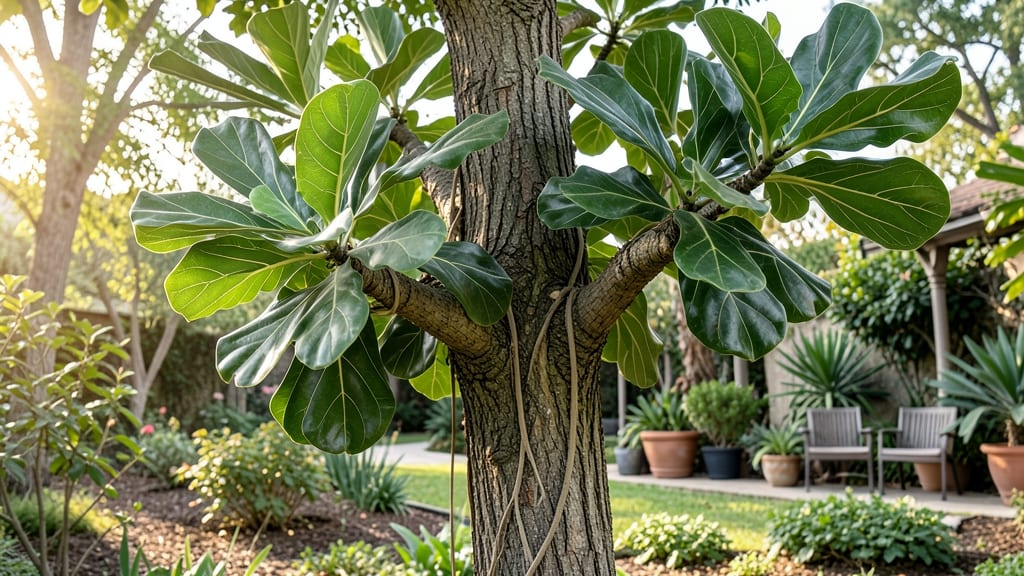
A ficus tree grows to how tall does a ficus tree grow, ranging from 8 feet for dwarf varieties to over 50 feet for standard types, depending on the species and growing conditions.
If you're considering adding a ficus tree to your home or garden, knowing its mature height is crucial—some varieties soar to ceiling heights while others stay compact enough for small spaces.
The answer depends entirely on the species, and getting it wrong could mean a tree that outgrows your home in just a few years.
For example, the popular Ficus elastica (rubber plant) can reach 10 to 20 feet indoors if unpruned, while the Ficus benjamina (weeping fig) often tops out around 15 to 25 feet in outdoor settings.
Meanwhile, the Ficus lyrata (fiddle-leaf fig) tends to stay shorter, around 6 to 10 feet, making it a better fit for indoor spaces.
In this guide, I’ll break down the height expectations for the most common ficus varieties, share tips for controlling growth through pruning, and help you choose the right size for your space—whether you’re working with a cozy apartment or a sprawling garden.


Ficus tree height by variety: from tiny tabletop to towering giants
Choosing a ficus tree often comes down to one key question: how tall does a ficus tree grow? The answer varies wildly between species, with some staying small enough for a desk while others become towering indoor giants.
Whether you're decorating a cozy apartment or designing a lush outdoor space, understanding these ficus tree height ranges will help you pick the perfect variety for your needs.
Ficus trees are incredibly versatile, thriving both indoors and outdoors in the right conditions. Their mature heights can differ by 50 feet or more, so let's explore the most popular varieties and their growth potential.
From the compact fiddle-leaf fig to the sky-reaching rubber plant, each has unique space requirements that will shape your growing strategy.
🌱 Pro Tip: Always check a ficus's growth rate alongside its mature height—some varieties grow 2-3 feet per year, while others take decades to reach their full potential. This knowledge will help you plan for pruning needs and space management from day one.
| Variety | Mature Height | Growth Rate | Ideal Space |
|---|---|---|---|
| Ficus elastica (Rubber Plant) | 10-30 ft (indoors), 50+ ft (outdoors) | 1-2 ft/year (indoor), 3+ ft/year (outdoor) | Large rooms, conservatories, or outdoor gardens |
| Ficus benjamina (Weeping Fig) | 10-20 ft (indoors), 30-40 ft (outdoors) | 1-1.5 ft/year | Medium to large spaces, hanging baskets |
| Ficus lyrata (Fiddle-Leaf Fig) | 10-15 ft (indoors), 20+ ft (outdoors) | 6-12 inches/year | Bright, spacious rooms with high ceilings |
| Ficus microcarpa (Ginseng Fig) | 20-30 ft (indoors), 40+ ft (outdoors) | 1-2 ft/year (slow to moderate) | Large indoor spaces, bonsai containers, or outdoor landscapes |
| Ficus benghalensis (Banyan Fig) | 50-100 ft (outdoors only) | 2-3 ft/year (outdoor tropical climates) | Outdoor gardens, tropical landscapes |
If you're working with limited indoor space, the fiddle-leaf fig (Ficus lyrata) is an excellent choice, typically staying under 15 feet tall indoors with proper pruning. Its broad leaves make it a stunning focal point, even in smaller rooms.
For outdoor landscapes, the banyan fig (Ficus benghalensis) can become a breathtaking centerpiece, though it requires warm climates and ample room to spread.
The rubber plant (Ficus elastica) is one of the fastest-growing ficus varieties, often reaching 10 feet in just 5 years indoors if not pruned. This makes it ideal for those who want quick vertical growth but also need to plan for regular maintenance.
For a low-maintenance option, consider the ginseng fig (Ficus microcarpa), which grows at a slower pace but can live for decades with minimal care.
One common misconception is that all ficus trees grow equally fast. In reality, outdoor ficus trees grow 2-3 times faster than their indoor counterparts due to better light, humidity, and space.
For example, a weeping fig (Ficus benjamina) might stay under 10 feet indoors but could reach 30 feet outdoors in the same timeframe. Always factor in your growing conditions when estimating height.
For small apartments or offices, dwarf varieties or heavily pruned ficus trees are the best solution. You can keep a rubber plant or fiddle-leaf fig under 6 feet with consistent pruning every 6-12 months.
The key is to prune just above a leaf node—this encourages bushier growth and prevents the tree from becoming leggy. Regular pruning also helps maintain the health and shape of your ficus, regardless of its mature height.
Outdoor ficus trees, especially in tropical or subtropical climates, can become massive. The banyan fig, for instance, develops aerial roots that anchor into the ground, creating an expansive canopy.
If you're planting outdoors, always check your local USDA hardiness zone—most ficus trees thrive in zones 10-12 but can be grown in containers and brought indoors during colder months.
Remember, the height of a ficus tree isn't set in stone—it's influenced by pruning, light, and container
How to control ficus tree height: pruning and training techniques
Managing your ficus tree height is all about timing and technique. Whether you're dealing with a Ficus elastica reaching for the ceiling or a Ficus benjamina outgrowing its pot, strategic pruning keeps your tree at your desired size.
The key lies in understanding when and how to trim—too little, and your ficus becomes unruly; too much, and you stunt its growth entirely. I’ve found that late winter or early spring is the ideal time to prune, just as new growth begins.
Before grabbing your shears, know that ficus trees respond well to structured pruning. This isn’t just about cutting branches—it’s about shaping your tree to thrive in its space.
For instance, topping (cutting the main stem) encourages bushier growth, while selective pruning of lower branches opens up the canopy for better airflow and light penetration. Let’s break down the exact steps to control your ficus’s height effectively.
- 1 Choose the right time: Prune in late winter or early spring (February-March) to encourage healthy new growth. Avoid pruning during dormancy (winter) or peak summer heat.
- 2 Gather tools: Use sterilized pruning shears or a sharp knife for clean cuts. Wipe blades with rubbing alcohol between cuts to prevent disease spread.
- 3 Identify growth points: Locate the node (where leaves grow) on stems. Cut just above a node at a 45-degree angle to promote branching.
- 4 Top for bushiness: Cut the main stem at your desired height. This triggers lateral buds to grow, creating a fuller tree. For example, trim a Ficus lyrata at 4 feet to keep it tabletop-sized.
- 5 Prune lower branches: Remove overcrowded or dead branches from the bottom to improve airflow. This also prevents your ficus from becoming top-heavy.
- 6 Support tall varieties: Use a bamboo stake or trellis for upright species like Ficus microcarpa. Tie stems gently to guide growth and prevent leaning.
- 7 Fertilize after pruning: Apply a balanced fertilizer (10-10-10) 2-3 weeks post-pruning to support new growth. Water thoroughly to help roots recover.
Pruning isn’t just about height control—it’s also about encouraging healthy growth. For instance, if your Ficus benjamina is growing too leggy, prune the top third to stimulate side shoots. This technique works wonders for creating a bushier, fuller tree without sacrificing height.
Just remember: never prune more than 25% of the foliage at once, or you risk shocking the plant.
Training your ficus early makes a world of difference. If you’re growing a Ficus elastica indoors, start shaping it when it’s young by pinching back the tips of new growth. This redirects energy to lateral branches, giving you a compact, tree-like structure instead of a single tall stem.
For outdoor varieties, use support systems like stakes or cages to guide growth direction and prevent sprawling.
Finally, monitor your ficus’s growth throughout the year. If you notice it’s growing too quickly, reduce fertilizer or move it to a slightly shadier spot. Conversely, if growth stalls, increase light exposure and fertilize lightly.
With consistent care, you’ll have a ficus tree that fits perfectly in your space—whether that’s a 6-foot tabletop specimen or a 10-foot indoor statement piece.
🌿