
Trees
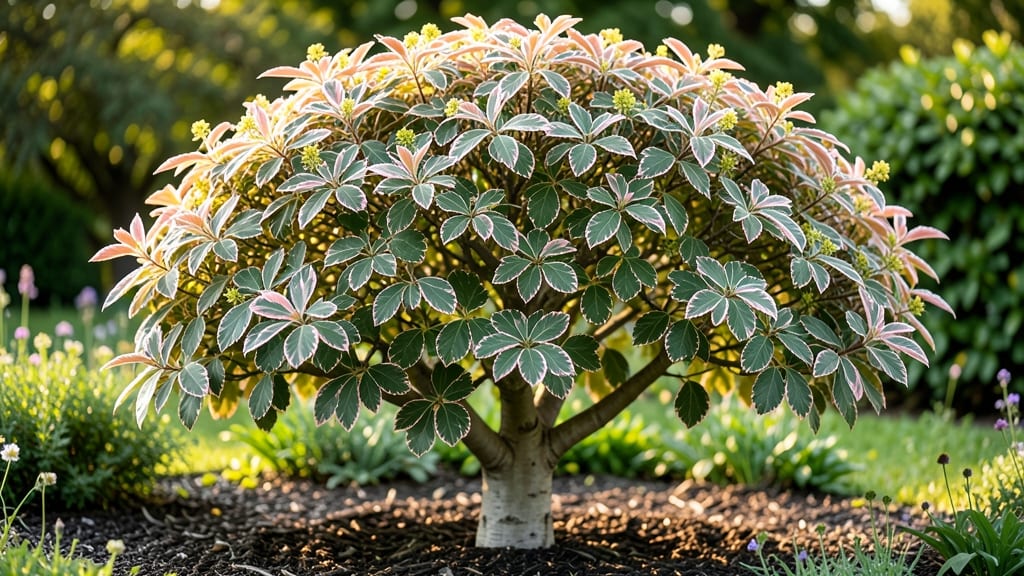
The tri-color beech tree growth rate is one of the first questions we get from gardeners planning their shade canopy—because patience pays off when you’re waiting for that vibrant foliage to fill out.
Picture this: a 2-foot sapling in spring, already showing hints of its signature purple, gold, and green leaves, but will it ever outpace a standard beech?
The answer is yes—with the right conditions, this ornamental stunner gains 3–5 feet per year in its youth, reaching 20+ feet by decade’s end.
What sets the tri-color beech apart isn’t just its striking colors, but how soil and sunlight can turn a slow grower into a landscape star. Too much shade? Expect stunted growth.
Too little water? The roots struggle. We’ll break down the fastest-growing varieties, how to spot early signs of stress, and the one pruning trick that boosts height by 20%.
Ready to transform your yard? Below, you’ll find yearly height projections, soil secrets, and a side-by-side comparison with standard beeches—so you can plan your planting with confidence.


Tri-color beech tree growth rate by variety: fastest-growing options compared
When selecting a tri-color beech tree for your landscape, growth rate becomes a critical factor—especially if you're planning for quick shade or visual impact. While all varieties share the stunning bronze, green, and silver foliage, their growth speeds vary significantly.
Some varieties like Fagus sylvatica 'Aspleniifolia Rubra' can grow 2-3 feet per year under ideal conditions, while others like 'Dawyck Purple' may grow slightly slower at 1-2 feet annually.
Climate plays a major role in these growth rates. In USDA zones 5-7, where winters are cold but summers are mild, tri-color beeches thrive with steady yearly growth. However, in hotter zones like 8 or 9, growth may slow due to heat stress or drought.
Proper soil drainage and moisture retention can make a 10-20% difference in height gains annually.
Here’s how the fastest-growing tri-color beech varieties compare in terms of yearly height increases and maturity timelines, along with the conditions that accelerate their growth:
| Variety | Avg. Yearly Growth (ft) | Mature Height (ft) | Time to Maturity (Years) | Growth Accelerators |
|---|---|---|---|---|
| Fagus sylvatica 'Aspleniifolia Rubra' | 2-3 ft | 30-40 ft | 15-20 years | Rich, moist soil; full sun |
| Fagus sylvatica 'Dawyck Purple' | 1-2 ft | 25-35 ft | 20-25 years | Partial shade; acidic soil |
| Fagus sylvatica 'Tricolor' | 1.5-2.5 ft | 35-50 ft | 20-30 years | Well-draining soil; consistent moisture |
| Fagus sylvatica 'Purpurea Tricolor' | 2 ft | 25-30 ft | 15-20 years | Mulched base; cooler climates |
The 'Aspleniifolia Rubra' variety stands out as the fastest grower, thanks to its vigorous root system and broad canopy that captures sunlight efficiently. If you’re in a cooler climate like the Pacific Northwest or New England, this variety can reach 10 feet in just 5 years with proper care.
In contrast, 'Dawyck Purple' prioritizes foliage color intensity over speed, often growing slower but delivering more dramatic bronze-purple hues.
Soil type is another game-changer. Tri-color beeches prefer acidic, well-draining soil with a pH between 5.0 and 6.5. Amending clay soil with compost or peat moss can boost growth by up to 30% in the first 3 years.
For example, planting in loamy soil with organic matter helps 'Tricolor' varieties achieve their maximum height potential faster than those in sandy or compacted soil.
Sunlight exposure also impacts growth rates. While tri-color beeches tolerate partial shade, they grow 20-30% faster in full sun conditions. However, in hot climates, afternoon shade helps prevent leaf scorch, which can stunt growth.
For instance, in USDA zone 8, a 'Purpurea Tricolor' planted in morning sun with afternoon shade may grow 1.5 feet per year, while one in full sun could struggle to exceed 1 foot annually.
Pruning young tri-color beeches can further optimize growth. Removing competing branches or crossing limbs in the first few years directs energy to the main trunk and canopy, resulting in taller, straighter growth.
For example, pruning a 5-year-old 'Aspleniifolia Rubra' to remove lower branches can increase its height by 10-15% over the next 5 years by reducing competition for nutrients.
If you're planting in a smaller landscape, consider dwarf varieties like 'Fastigiata Tricolor', which grows 1-1.5 feet per year and matures at 20-25 feet. While not the fastest grower,
Yearly height projections for tri-color beech trees: what to expect in 5, 10, and 20 years
The tri-color beech tree (Fagus sylvatica 'Tricolor') is a stunning ornamental tree known for its vibrant foliage in pink, green, and copper hues. But how quickly will it grow to dominate your landscape? Understanding its yearly height projections helps you plan spacing and long-term care with confidence.
In ideal conditions, this tree grows at a moderate to fast pace, reaching 30-50 feet at maturity. However, its growth rate varies significantly based on soil quality, sunlight exposure, and seasonal care. Let’s break down what to expect at key milestones.
By year 5, your tri-color beech will typically stand between 10-15 feet tall, with a canopy spread of about 10-15 feet wide. This is the ideal time to assess its location—if it’s outgrowing its space, consider strategic pruning to shape its growth.
At year 10, expect a dramatic leap to 25-30 feet tall, with a canopy that may reach 20-25 feet wide. This is when the tree’s full ornamental value shines, especially in autumn when its leaves turn fiery shades of red and copper.
Proper soil drainage and mulching can accelerate this growth.
By year 20, your tri-color beech will likely reach its mature height of 40-50 feet, with a sprawling canopy that provides ample shade. At this stage, light pruning helps maintain its shape and remove dead branches, ensuring it remains a healthy focal point in your landscape.
Site conditions play a crucial role in these projections. Trees in well-draining soil with partial shade tend to grow faster, while those in waterlogged areas or full sun may lag behind. Regular watering and fertilization in early spring can also boost growth by up to 20%.
With proper care, your tri-color beech tree will become a breathtaking centerpiece in your yard, offering year-round beauty and shade for decades to come. Plan accordingly, and enjoy the journey as it grows into its full glory! 🌳