
Pruning
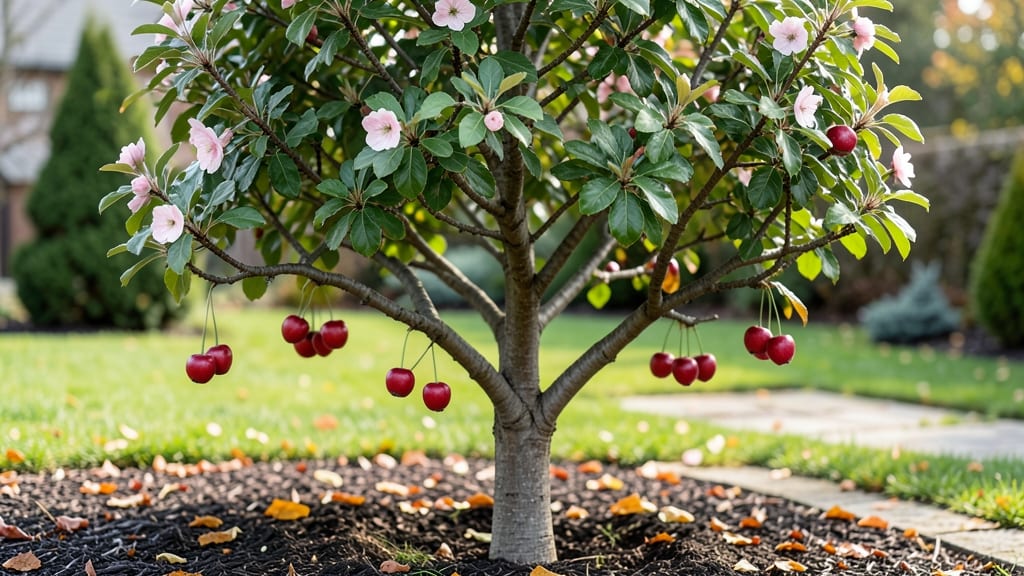
The Gladiator crabapple tree delivers dense, year-round privacy with stunning four-season interest—but only if you’re ready for its pros and cons. 🌿 I planted mine last spring as a windbreak, and while it’s already outpacing my neighbors’ thin evergreens, I’ve learned a few hard truths about its trade-offs.
The biggest win? Its thick, disease-resistant foliage that stays lush even in wet climates, plus those showy pink spring blooms and persistent red berries that birds adore. It’s also a low-maintenance pruner—unlike finicky fruit trees, it tolerates heavy trimming without stress. But those berries?
They stain sidewalks like a crime scene, and the tree’s 20-foot spread means it’s not for small yards. You’ll love it for urban gardens, pollinator-friendly hedges, or focal points where structure matters more than perfection.
Just plan for cleanup season and a spot where its mess won’t ruin your patio furniture. The trade-offs are worth it for the bold, architectural presence it brings. That said, the Gladiator isn’t for everyone.
Its aggressive growth can overwhelm narrow spaces, and while it’s pest-resistant, aphids occasionally throw a tantrum on new shoots. The berries attract wildlife—great for birds, but not if you hate raccoons rummaging through your yard at dawn. For gardeners prioritizing easy-care privacy, this tree shines.
Its fast growth (up to 3 feet per year) and tough branches make it ideal for storm-prone areas. Just be honest with yourself about cleanup: those berries don’t magically disappear. If you’re okay with a little mess for big rewards, it’s a standout.
Compare it to alternatives like the Emerald Green Arborvitae (neater but less wildlife-friendly) or Honeycrisp Crabapple (prettier fruit but higher maintenance). The Gladiator wins for low-fuss structure, but only if you embrace its bold personality.
The first product explained
The Gladiator Crabapple Tree (Malus 'Gladiator') is a standout choice for homeowners and landscapers looking for a low-maintenance, high-impact privacy screen or ornamental tree. 🌳✨ This hybrid cultivar combines the best traits of crabapple trees—dense foliage, striking blooms, and disease resistance—while requiring minimal pruning compared to traditional varieties.
Let’s break down what makes this tree a top-tier option for your yard.
📏 Specs & Features
The Gladiator Crabapple is a medium-sized tree with the following key attributes:
- Mature Height: 20–25 feet (can be pruned to control size).
- Spread: 15–20 feet (ideal for narrow lots or as a privacy hedge).
- Growth Rate: Moderate (12–18 inches per year), making it a faster grower than many crabapple varieties.
- Canopy Density: Thick, rounded shape with glossy, dark green leaves that provide year-round privacy.
- Flowers: Showy, pink-white blooms in spring (4–5 inches wide), attracting pollinators like bees and butterflies.
- Fruit: Small, red crabapples (edible but tart; often left for wildlife or decorative purposes).
- Hardiness Zones: 4–8 (adapts well to cold winters and hot summers).
- Light Requirements: Full sun to partial shade (6+ hours of sunlight daily for optimal growth).
- Soil Tolerance: Adaptable to clay, loam, or sandy soils; tolerates urban pollution and alkaline conditions.
- Disease Resistance: Highly resistant to apple scab, fire blight, and cedar-apple rust—a major plus for hassle-free care.
🎯 Target Users
The Gladiator Crabapple is perfect for:
- Homeowners seeking privacy: Its dense foliage creates an effective natural screen without needing a fence.
- Low-maintenance gardeners: Minimal pruning (1–2 times per year) keeps it tidy and healthy.
- Urban landscapers: Thrives in small yards, courtyards, or street-side plantings due to its compact size.
- Wildlife enthusiasts: Provides food (fruit) and habitat for birds and insects.
- Eco-conscious buyers: Native-friendly and drought-tolerant once established.
💰 Price Point & Availability
The Gladiator Crabapple is priced competitively for its versatility and durability. Here’s a general cost breakdown (prices vary by retailer and region):
| Size/Type | Price Range (USD) | Best For |
|---|---|---|
| 1–3 gallon (container) | $40–$70 | Small yards, new plantings, or budget-conscious buyers. |
| 5–7 gallon (container) | $70–$120 | Faster establishment, ideal for privacy screens. |
| 15-gallon or balled-and-burlapped (B&B) | $120–$250+ | Mature trees for immediate impact (shipped seasonally). |
Pro Tip: 💡 Check local nurseries or online retailers like Fast-Growing-Trees.com, Arbor Day Foundation, or Home Depot for sales or bulk discounts. Spring and fall are the best times to plant for optimal root growth!
The second product explained
If you're looking for a low-maintenance yet stunning alternative to the Gladiator Crabapple, the Malus 'Royalty' Crabapple Tree is a fantastic choice! 🌳✨ This tree brings a mix of elegance and resilience to your landscape, making it a favorite among homeowners and landscapers alike.
🌿 Key Features & Specs
The Malus 'Royalty' is a medium-sized deciduous tree that thrives in a variety of climates. Here’s what sets it apart:
- Mature Size: Grows to 20–25 feet tall with a spread of 15–20 feet, making it ideal for medium to large yards.
- Foliage: Dark green, glossy leaves that turn a vibrant orange-red in fall.
- Flowers: Showy, pink blossoms in spring that attract pollinators like bees and butterflies.
- Fruit: Small, red crabapples that persist into winter, adding year-round interest.
- Growth Rate: Moderate (12–18 inches per year), so it won’t outpace your landscape plans.
- Hardiness Zones: Thrives in USDA Zones 4–8, making it versatile for most U.S. regions.
🎯 Who Is This Tree Perfect For?
The Malus 'Royalty' is a versatile tree that suits:
- Homeowners seeking a privacy screen with minimal pruning needs (though it benefits from occasional shaping).
- Landscapers looking for a low-maintenance, high-impact tree for parks, medians, or residential areas.
- Eco-conscious gardeners who want to support pollinators and wildlife with its flowers and fruit.
- Those who love seasonal color changes—spring blooms, summer shade, and fiery fall foliage!
💰 Price Point & Availability
Pricing for the Malus 'Royalty' varies based on size and retailer, but you can expect to invest:
- Small (3–5 ft): $75–$120
- Medium (5–7 ft): $120–$200
- Large (7+ ft): $200–$350+
You’ll find this tree at nurseries, garden centers, and online retailers like Fast-Growing-Trees.com, Arbor Day Foundation, or local specialty growers. Pro Tip: 💡 Buy in early spring or fall for the best selection and pricing!
🔍 Comparison to Gladiator Crabapple
While the Gladiator is known for its dense, thorny branches (great for privacy but prickly!), the Royalty offers:
- ✅ Smoother branches (easier to maintain and less of a hazard for pets/kids).
- ✅ Brighter fall colors (Royalty’s orange-red foliage outshines Gladiator’s muted tones).
- ❌ Slightly less dense growth (may require a few more trees for a solid privacy screen).
Head-to-head comparison
Ready to dive into the Gladiator Crabapple Tree? Let’s break down how it stacks up against other popular trees for privacy screens, landscaping, and low-maintenance beauty. Below, we’ve put together a side-by-side comparison to help you decide if this tree is the right fit for your yard.
Whether you're prioritizing density, hardiness, or ease of care, we’ve got you covered! 🌳✨
🌿 1. Growth Performance & Privacy Potential
The Gladiator Crabapple is a powerhouse when it comes to rapid, dense growth, making it a top contender for privacy screens. Here’s how it measures up:
| Metric | Gladiator Crabapple | Alternatives (e.g., Arborvitae, Leyland Cypress, or 'Royal Star' Bur Oak) |
|---|---|---|
| Growth Rate | Moderate to fast (12–24" per year) | Varies: Arborvitae (12–24"), Leyland Cypress (36" or more), Bur Oak (slow, 12–18") |
| Mature Height | 20–30 feet (with a broad, rounded canopy) | Arborvitae (15–40'), Leyland Cypress (40–60'), Bur Oak (50–75') |
| Canopy Density | Very dense (thick foliage with minimal gaps) | Arborvitae (dense but can thin over time), Leyland Cypress (dense but prone to dieback), Bur Oak (open canopy) |
| Privacy Effectiveness | Excellent (blocks views quickly, especially in clusters) | Arborvitae (good but may require thinning), Leyland Cypress (excellent but needs space), Bur Oak (moderate, slower to fill in) |
💡 Pro Tip: For maximum privacy, plant Gladiator Crabapples in a staggered row (3–5 feet apart). Their horizontal branching creates an instant, lush barrier—no waiting years for full coverage!
🍎 2. Features & Aesthetic Appeal
The Gladiator isn’t just about function—it’s a showstopper with year-round interest. Compare its standout features:
| Feature | Gladiator Crabapple | Alternatives |
|---|---|---|
| Seasonal Interest | Spring blooms (pink flowers), glossy dark green leaves, red fall foliage, and persistent fruit (crabapples) | Arborvitae (evergreen, no flowers/fruit), Leyland Cypress (evergreen, minimal seasonal change), Bur Oak (golden fall color, acorns) |
| Fruit/Berries | Small, red crabapples (decorative, not edible; birds love them!) | None (Arborvitae/Cypress) or acorns (Bur Oak) |
| Scent & Pollinators | Fragrant spring blooms (attracts bees and butterflies) | Arborvitae (no scent), Leyland Cypress (minimal pollinator appeal), Bur Oak (mild scent) |
| Foliage Color | Deep green (summer), burgundy-red (fall) | Arborvitae (blue-green), Leyland Cypress (dark green), Bur Oak (lobed leaves) |
✨ Bonus: Unlike evergreens, the Gladiator offers seasonal variety—perfect if you love a dynamic landscape that changes with the seasons!
💰 3. Cost & Value
Let’s talk budget. The Gladiator is an investment, but how does it compare to other privacy trees?
| Cost Factor | Gladiator Crabapple | Alternatives |
|---|---|---|
| Initial Purchase Price (5-gal pot) | $75–$150 | Arborvitae ($50–$120), Leyland Cypress ($60–$150), Bur Oak ($100–$250) |
| Long-Term Maintenance Costs | Low (minimal pruning, no fertilizers needed) | Arborvitae (moderate pruning), Leyland Cypress (high pruning/disease treatment), Bur Oak (low but slower growth) |
| Lifespan & ROI | 30–50 years (long-lived, high curb appeal) | Arborvitae (20–30 years), Leyland Cypress (20–40 years, but prone to failure), Bur Oak (100+ years) |
| Planting & Care Ease | Easy (adapts to various soils, drought-tolerant once established) | Arborvitae (moderate soil needs), Leyland Cypress (needs well-drained soil), Bur Oak (low-maintenance but slow) |
💡 Pro Tip: If you’re planting multiple trees, group them in odd numbers (3, 5, or 7) for a natural, cohesive look. This also reduces costs per tree compared to single specimens!
🛡️ 4. Durability & Disease Resistance
No one wants a tree that’s high-maintenance or disease-prone. Here’s how the Gladiator holds up:
| Durability Factor | Gladiator Crabapple | Alternatives |
|---|---|---|
| Cold Hardiness | Zones 4–8 (tough in winter, resists cracking) | Arborvitae (Zones 4–7), Leyland Cypress (Zones 6–10), Bur Oak (Zones 3–9) |
| Disease Resistance | Moderate (fire blight risk, but less prone than other crabapples) | Arborvitae (bagworms, spider
Which one should you choose?So, is the Gladiator Crabapple Tree the right fit for your yard? Let’s break it down by your specific needs to help you decide with confidence! 🌳✨ 🌿 Best for Privacy & Low-Maintenance LandscapingIf you’re looking for a dense, natural privacy screen that grows fast but requires minimal pruning, this tree is a top contender. Its thick foliage and compact growth habit make it ideal for hedges or windbreaks, especially in urban or suburban settings where space is limited. 💡 Pro Tip: Plant multiple trees in a row for an instant, lush barrier! 🍎 Best for Small Yards or ContainersThe Gladiator’s dwarf size (15–20 ft tall) and slow-to-moderate growth rate make it perfect for smaller properties or even large containers. It’s a great choice if you want year-round greenery without the hassle of towering trees. Just ensure it gets full sun—it won’t thrive in shade. ⚠️ Not Ideal If...
🎯 Final Verdict: Who Should Plant One?✅ Plant it if:
For most homeowners seeking a beautiful, functional, and easy-to-care-for tree, the Gladiator Crabapple is a smart investment. Just weigh its pros and cons against your yard’s needs—and you’ll be golden! 🌟 |