
How To
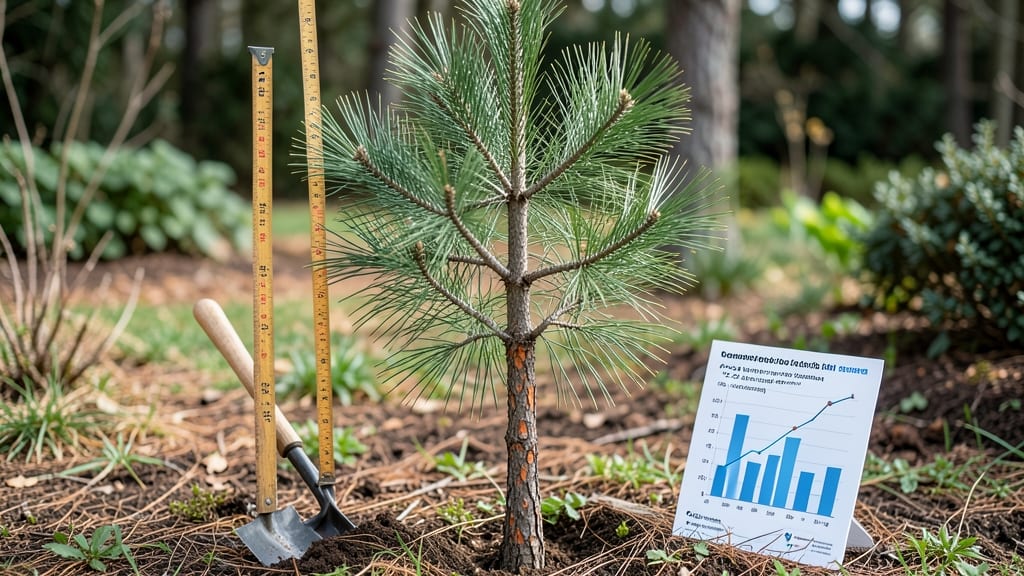
How tall does a pine tree grow per year can surprise you—some species shoot up 3 feet per year while others barely inch forward, depending on the type and conditions.
Picture this: your 🌲 sapling, planted in spring, standing tall by summer—and then again the next year, doubling in height. But not all pines grow that fast. Some take decades to reach even 10 feet, while others in ideal climates could top 20 feet in just five years.
The difference? Species, soil, and a little luck with the weather.
If you’re planning a backyard pine or restoring a forest, knowing these growth rates is key. A Ponderosa pine might outpace your neighbor’s Scots pine by a foot each year, and a sandy soil could stunt growth compared to rich loam.
I’ll break down the fastest and slowest growers, plus how to give your tree the best shot at reaching its full potential.
Ready to see how your pine stacks up? You’ll learn which species to pick for quick shade, how climate zones slow or speed up growth, and 5 simple tricks to help your tree grow taller—naturally.


Average pine tree growth rates by species: fastest and slowest growers
Pine trees are iconic evergreens, but their growth rates vary dramatically—some species shoot up 3 feet per year in ideal conditions, while others creep along at just 2-3 inches annually. The difference often comes down to genetics, climate, and care.
Understanding these rates helps you set realistic expectations for your pine tree's height over time, whether you're planting a fast-growing windbreak or a slow-maturing specimen tree.
Most pine trees experience two distinct growth phases: rapid juvenile growth (first 10-20 years) and slower mature growth. For example, a Ponderosa pine might add 2 feet per year as a sapling but only 6-12 inches once fully mature.
Meanwhile, dwarf pines like the Mugo pine grow just 1-2 inches annually their entire lives. Let's break down the numbers for 10 common species and what makes them tick.
| Species | Juvenile Growth (Years 1-10) | Mature Growth (Years 10+) | Mature Height | Fastest Recorded Annual Growth |
|---|---|---|---|---|
| Ponderosa Pine (Pinus ponderosa) | 24-36 inches | 12-24 inches | 100-165 ft | 48 inches (optimal conditions) |
| Scots Pine (Pinus sylvestris) | 18-24 inches | 6-12 inches | 65-100 ft | 36 inches (young trees) |
| Eastern White Pine (Pinus strobus) | 12-24 inches | 6-12 inches | 50-80 ft | 30 inches (fastest cultivars) |
| Lodgepole Pine (Pinus contorta) | 30-48 inches | 12-18 inches | 60-100 ft | 42 inches (open-grown) |
| Jack Pine (Pinus banksiana) | 6-12 inches | 3-6 inches | 40-60 ft | 18 inches (young trees) |
| Mugo Pine (Pinus mugo) | 2-4 inches | 1-2 inches | 10-25 ft | 6 inches (optimal care) |
| Virginia Pine (Pinus virginiana) | 12-18 inches | 3-6 inches | 30-50 ft | 24 inches (young trees) |
| Eastern Red Pine (Pinus resinosa) | 12-18 inches | 6-12 inches | 60-80 ft | 24 inches (ideal sites) |
| Shortleaf Pine (Pinus echinata) | 12-24 inches | 6-12 inches | 50-80 ft | 30 inches (young trees) |
| Pinyon Pine (Pinus edulis) | 3-6 inches | 1-3 inches | 10-30 ft | 8 inches (arid conditions) |
The Lodgepole pine takes the crown for fastest growth among native North American species, with 3-4 feet per year in its first decade—especially in open, sunny conditions. This makes it ideal for windbreaks or timber production, but its growth slows dramatically once it reaches maturity.
Meanwhile, the Pinyon pine grows at a glacial pace, adding just 3-6 inches
How climate zones and soil affect pine tree growth speed
Your pine tree’s growth rate isn’t just about genetics—it’s a dance between climate zones and soil conditions. In USDA Zone 7, a Ponderosa pine might shoot up 12–24 inches annually, while the same species in Zone 4 could barely reach 6 inches.
Temperature, rainfall, and even altitude play starring roles in this growth story, often doubling or halving your tree’s potential height gain.
Soil type is equally critical: Loamy soil with good drainage fuels rapid growth, while clay-heavy or waterlogged soils can stunt roots and slow height gains by 30–50%. Let’s break down how to read your local conditions like a pro and give your pine tree the perfect growing environment.
🌱 comparison-table
Notice how Zone 7–8 delivers the fastest growth? That’s because these zones offer the perfect balance of warmth, moisture, and long growing seasons. However, even in ideal zones, soil pH and drainage can make or break your pine’s progress.
For example, Ponderosa pines thrive in acidic soils (pH 5.0–6.5), while Scots pines tolerate neutral to slightly alkaline soils (pH 6.0–7.5).
Altitude also sneaks in as a wildcard. At 5,000+ feet elevation, growth slows by 20–30% due to thinner air and cooler temps. If you’re in the mountains, expect your pine to grow like it’s in Zone 3–4, even if you’re technically in Zone 6.
Test your soil’s drainage by digging a hole—if water pools after 6 hours, amend with compost or sand to speed up growth.
To optimize growth in your region, start with a soil test ($20 at garden centers) and adjust pH with sulfur (to lower pH) or lime (to raise pH).
In dry climates (Zones 9–10), mulch with wood chips to retain moisture, while cool-climate zones (3–5) benefit from winter mulch to protect roots. With the right tweaks, you can turn your pine’s average growth into above-average—even in challenging zones.
🌲