
Pruning
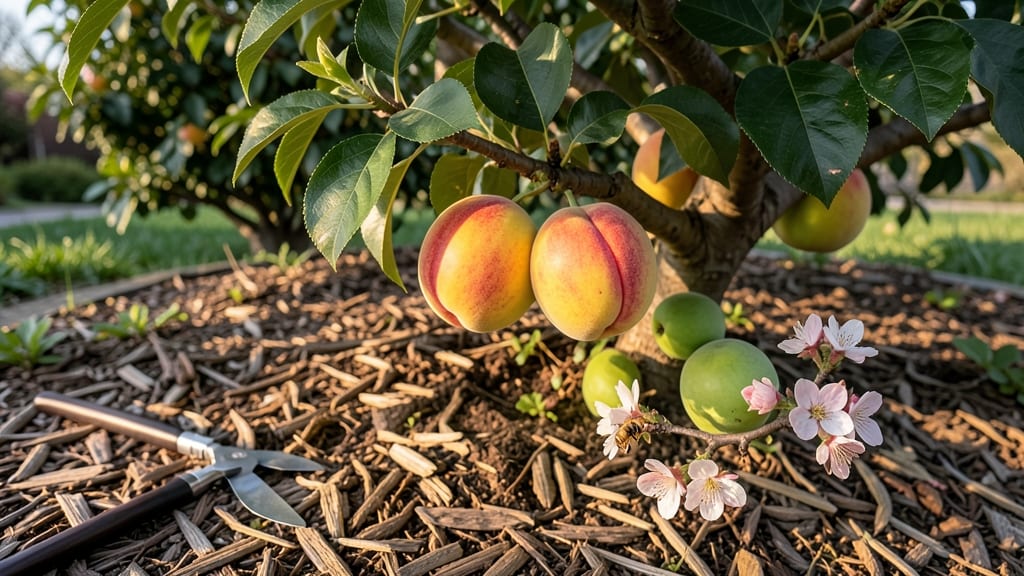
The Elberta peach tree delivers unmatched juicy sweetness, but mastering its pros and cons is key to success. 🌿 I’ve grown this variety for years, and while its flavor is legendary, the trade-offs are real: from stubborn branches to pest battles that test your patience.
This tree thrives in USDA zones 5-9, but it demands well-drained soil and full sun—skip that, and you’ll fight fungal diseases all season. The real reward? Heavy yields of freestone peaches that ripen late, perfect for fresh eating or canning.
Just be ready for the work: pruning takes skill to avoid overcrowded branches. Pests like peach tree borers and aphids target Elbertas relentlessly, but proper care keeps them in check. The payoff? One tree can feed a family for months, with fruit that’s sweeter than most grocery store varieties.
It’s worth the effort—if you’re up for the challenge. If you’re in a humid climate, disease resistance becomes a bigger hurdle—this isn’t the tree for you. But for dry or moderate zones, it’s a top producer with minimal fuss once established.
The key is early pruning to improve airflow and sunlight penetration, which cuts down on pest problems. For beginners, I’d recommend starting with a dwarf variety first—Elbertas grow 15-20 feet tall, so space matters.
Once you’ve got the basics down, this tree becomes a low-maintenance powerhouse with the right care. Just don’t expect perfection without putting in the work.
The first product explained
Meet the Elberta peach tree—a beloved classic among home gardeners and orchard enthusiasts alike! 🌳🍑 Known for its juicy, sweet-tart peaches, this variety is a staple in warm climates across the U.S. Whether you're a seasoned gardener or a first-time fruit tree owner, the Elberta offers a rewarding (and delicious) growing experience—but it’s not without its quirks.
Let’s break down what makes this tree stand out, who it’s perfect for, and where it might leave you scratching your head.
🌱 Key Specs & Features
The Elberta peach tree is a Prunus persica variety that thrives in USDA Hardiness Zones 5–9, making it versatile for a wide range of climates. Here’s what you can expect:
- Mature Height: 15–20 feet (with proper pruning, it can be kept smaller for container growing or urban yards).
- Spread: 15–20 feet wide (spreading branches mean it needs space!).
- Growth Rate: Moderate to fast (expect noticeable growth in its first 3–5 years).
- Fruit Production:
- Peaches ripen in late July to August, offering a long harvest window.
- Fruit size: Medium to large (about 2–3 inches in diameter).
- Flavor profile: Sweet-tart, with a firm texture—ideal for fresh eating, canning, or baking.
- Pollination: Self-pollinating (though cross-pollination with other peach varieties can boost yields).
- Chill Hours: Requires 400–600 chill hours (critical for bud set in winter).
🎯 Who Is This Tree For?
The Elberta peach tree is a fantastic choice for:
- Home gardeners with space for a large tree (or patience for pruning!).
- Small-scale orchards or homesteaders looking for a reliable peach variety.
- Families who love fresh, seasonal fruit (kids adore picking peaches straight off the tree!).
- Bakers and preservers—Elberta peaches are perfect for pies, jams, and dehydrating.
- Climate-appropriate growers in warmer regions (Zones 5–9).
💰 Price Point & Where to Buy
Pricing for Elberta peach trees varies based on size, rootstock, and whether you buy bare-root or potted. Here’s a general range (as of 2023):
| Type | Price Range | Best For |
|---|---|---|
| Bare-root sapling (1–2 years old) | $30–$60 | Budget-friendly option; best planted in late winter/early spring. |
| Potted tree (2–3 years old) | $60–$120 | Flexibility for planting outside the dormant season. |
| Dwarf or semi-dwarf (grafted on dwarfing rootstock) | $80–$150 | Urban gardens or small yards with limited space. |
Where to shop: Trusted nurseries like Fast-Growing-Trees.com, PeachTree.com, or local agricultural extensions. Always opt for certified disease-free trees to avoid future headaches!
💡 Pro Tip for New Growers
If you’re new to peach trees, here’s a game-changer: Plant your Elberta in full sun (6+ hours of direct light daily) and well-draining soil.
Amend heavy clay with compost to prevent root rot—a common pitfall for peach trees. 🌡️ Bonus: Mulch around the base to retain moisture and regulate soil temperature!
The second product explained
If you're looking for a hardy, high-yielding alternative to the classic Elberta peach tree, the Redhaven Peach Tree might just steal the spotlight! 🌳🍑 Known for its vibrant red-orange fruit and exceptional flavor, this tree is a favorite among home gardeners and commercial growers alike.
Let’s dive into why it’s worth considering—and who it’s best suited for.
📏 Specs & Features
The Redhaven peach tree is a Prunus persica variety that thrives in USDA Zones 5-9, making it versatile for a wide range of climates. Here’s what sets it apart:
- Mature Size: Typically grows to 15-20 feet tall (with a spread of 12-15 feet), making it ideal for larger yards or orchards.
- Fruit Characteristics:
- Medium to large fruit (2.5–3.5 inches in diameter)
- Sweet, juicy flesh with a balanced sugar-acid ratio—often described as richer than Elberta
- Freestone pit (easy to remove), perfect for fresh eating, canning, or baking
- Bloom Time: Early to mid-season blooms (late April to early May), which means it’s slightly more frost-sensitive than Elberta but still reliable in most regions.
- Yield: Produces heavy crops when mature (5–10 years), with fruit ripening in late July to early August.
🎯 Target Users
The Redhaven peach tree is a versatile pick for:
- 🌿 Home gardeners who want a low-maintenance tree with high rewards—great for families or small orchards.
- 🍰 Bakers and preserves enthusiasts—its thick skin and sweetness make it perfect for pies, jams, and fresh snacks.
- 🏡 Urban farmers or community gardens (if space allows), thanks to its manageable size and productivity.
- 💰 Budget-conscious buyers—while slightly pricier upfront than some dwarf varieties, its long-term yield justifies the investment.
💲 Price Point & Value
The Redhaven peach tree typically costs $50–$150 depending on the supplier, size, and whether it’s bare-root or potted. Here’s a quick breakdown:
| Type | Price Range | Best For |
|---|---|---|
| Bare-root sapling (1–2 years old) | $50–$80 | Budget-friendly option; requires careful planting. |
| Container-grown (2–3 years old) | $80–$120 | Easier to transplant; faster fruiting. |
| Established tree (4+ years old) | $120–$150+ | Immediate harvest potential; ideal for serious growers. |
Pro Tip: 💡 Look for certified disease-resistant varieties or ask nurseries about local climate suitability to maximize your tree’s lifespan and productivity!
Head-to-head comparison
Ready to weigh the Elberta peach tree against other peach varieties or even fruit trees in general? Let’s break it down in a clear, side-by-side comparison so you can decide if this juicy gem is the right fit for your garden.
Below, we’ll compare the Elberta to other popular peach trees and even other stone fruit options like nectarines or plums. 🍑✨
The Elberta peach tree is a high-performing variety, but how does it stack up against competitors? Here’s the breakdown:
| Category | Elberta Peach Tree | Redhaven Peach Tree | Nectarine (e.g., Fantasia) | Plum (e.g., Santa Rosa) |
|---|---|---|---|---|
| Yield | Moderate to high (depends on care and climate). Produces large, freestone fruits with thick flesh. | High yield, slightly smaller fruits than Elberta but consistent. | Moderate yield; fruits are smooth-skinned (no fuzz) but may crack more easily. | Very high yield; plums are often more cold-hardy and productive in cooler climates. |
| Fruit Ripening | Mid to late summer (July–August). Not early-season like Redhaven. | Early to mid-summer (June–July). Great for beating heat waves! | Mid-summer (similar to Elberta but may ripen slightly earlier). | Late summer to early fall (August–September). Plums often ripen later. |
| Cold Hardiness | Moderate (USDA Zones 5–9). Susceptible to late frosts. | Moderate (Zones 5–9). Similar to Elberta but slightly more frost-tolerant. | Moderate (Zones 5–9). Less cold-hardy than plums. | High (Zones 4–9). Plums often handle colder winters better. |
| Disease Resistance | Moderate. Prone to peach leaf curl and brown rot if not cared for properly. | Moderate. Similar susceptibility to diseases but slightly more resistant to cracking. | Low. Nectarines are more prone to cracking and bacterial spot. | High. Plums are generally more disease-resistant than peaches. |
💡 Pro Tip: If you’re in a warmer climate (Zones 8–9), the Elberta thrives with minimal stress. But in cooler or wetter areas, consider disease-resistant hybrids or plums for easier care.
The Elberta is famous for its rich, sweet-tart flavor, but how does it compare to other fruits? Let’s dive into the details:
| Feature | Elberta Peach | Redhaven Peach | Nectarine | Plum |
|---|---|---|---|---|
| Flavor Profile | Classic sweet-tart with a juicy, aromatic taste. Often described as "old-fashioned" peach flavor. | Balanced sweetness with a tangier kick. Less cloying than Elberta. | Sweeter and more intense than peaches, with a melon-like aroma. | Ranges from tart (e.g., Green Gage) to sweet (e.g., Santa Rosa). Plums have a unique, complex flavor. |
| Texture | Thick, firm flesh that holds up well to cooking. Skin is velvety (not fuzzy like some peaches). | Firm but slightly softer than Elberta. Prone to mealiness if overripe. | Smooth and ultra-juicy—no fuzz, but can be more watery if not picked at peak ripeness. | Ranges from mealy (e.g., Italian prunes) to firm (e.g., Santa Rosa). Plums are often less juicy than peaches. |
| Best Uses |
|
|
|
|
| Skin Texture | Velvety (not fuzzy like some peaches). Smooth but not as slick as nectarines. | Fuzzy (classic peach texture). | Smooth and glossy (no fuzz). | Ranges from smooth (e.g., Santa Rosa) to waxy (e.g., Italian prunes). |
🎯 Best For: If you love versatile, old-school peach flavor that works in both desserts and savory dishes, the Elberta is
Which one should you choose?
So, is the Elberta peach tree the right pick for you? The answer depends on your goals, climate, and willingness to put in a little elbow grease. Here’s a clear verdict to help you decide:
✅ Best for:
- Home gardeners who love juicy, classic peaches and don’t mind seasonal maintenance.
- Warmer climates (Zones 5-9) where cold hardiness isn’t a concern.
- Patience-driven growers who enjoy the long-term rewards of a well-cared-for fruit tree.
- Families or small-scale orchards looking for a productive, low-maintenance (once established) tree.
⚠️ Think twice if:
- You’re in a colder region (Zones 3-4)—Elbertas struggle with frost damage.
- You dislike pruning or lack time for seasonal upkeep.
- You want fast harvests—it takes 3-5 years for full production.
- Pests or diseases (like brown rot) are rampant in your area.
💡 Pro Tip: If you’re on the fence, try growing one as a test tree! Its adaptability and sweet fruit might just win you over. For colder climates, consider cold-hardy alternatives like the Reliance or Redhaven varieties.
For most gardeners in suitable zones, the Elberta’s pros outweigh its cons—especially if you’re ready to embrace the joy of homegrown peaches! 🍑🌳