
Pruning
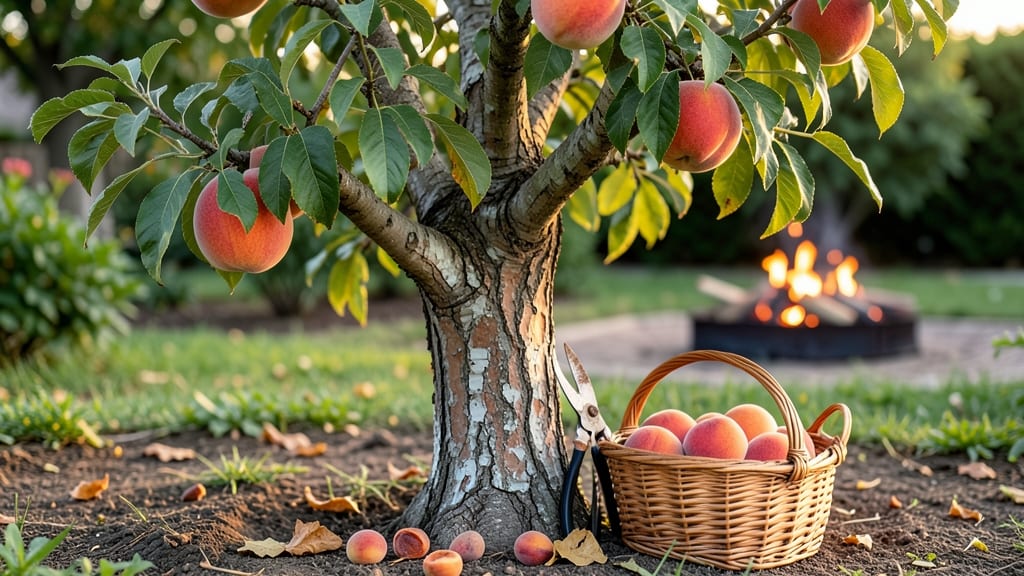
Bonfire peach tree fruit reaches its peak flavor when picked at just the right moment—miss that window, and you’re left with mealy, underripe peaches or overripe mush.
If you’ve ever bitten into a peach that tasted more like water or had a texture like a sponge, you know how heartbreaking it can be.
The difference between a juicy, sweet Bonfire peach and one that falls short comes down to timing, and I’ve spent years perfecting when to pluck them for that perfect balance.
In this guide, I’ll walk you through the exact visual cues to watch for—color shifts, stem separation, and even scent—so you never miss the harvest again. Plus, I’ll share pro tips for handling early or late ripening, because even the best gardeners face unexpected challenges.
By the end, you’ll know not just when to harvest, but how to store those peaches to keep their flavor locked in for weeks. Let’s get started.
How to identify perfectly ripe Bonfire peaches before harvesting
Picking Bonfire peaches at the right moment transforms your harvest from good to extraordinary. These peaches are prized for their deep red blush and honey-sweet flavor, but only when harvested at peak ripeness.
Unlike some varieties that ripen on the vine, Bonfire peaches need precise timing—too early, and they’re tart; too late, and they’re mealy. I’ve learned the hard way that even a day’s delay can ruin their juicy texture and intense aroma.
The key to success lies in combining visual cues, tactile tests, and even scent checks. Bonfire peaches typically ripen in late July to early August in most growing zones, but exact timing depends on your local climate and tree maturity.
If you’re new to peach harvesting, don’t worry—I’ll walk you through every detail so you can confidently pick your fruit at its sweetest.
Here’s the comparison-table breaking down the critical differences between underripe, perfectly ripe, and overripe Bonfire peaches. Use this as your quick-reference guide before heading out to harvest:
| Sign | Underripe | Perfectly Ripe | Overripe |
|---|---|---|---|
| Color | Mostly green with pale blush | Deep red blush covering at least 50% of yellow skin | Dull, waxy or bruised appearance |
| Firmness | Very firm (hard to dent with thumbnail) | Slightly yielding (gentle pressure leaves a slight thumbprint) | Mushy or leaking when pressed |
| Stem Separation | Sticks tightly to branch (requires force) | Separates easily with slight twist (no stem left on fruit) | Falls off with no resistance (often rotten underneath) |
| Scent | No aroma or slight green smell | Sweet, floral fragrance (like honey and peach blossoms) | Fermented or sour smell |
| Seed Development | White or pale brown seed | Fully brown seed (no green spots) | Seed may disintegrate or smell off |
Now that you have the visual cues down, let’s talk about the tactile test—this is my favorite trick for nailing the perfect ripeness. Gently press the blush side of the peach with your thumbnail.
If it feels like pressing a ripe avocado (just slightly soft), you’re in business. Pro tip: Avoid pressing too hard near the stem end, as that area often stays firmer longer.
Also, check the stem separation—a perfectly ripe Bonfire peach should twist off the tree with minimal effort, leaving the stem behind on the branch.
Don’t overlook the scent test, especially for Bonfire peaches. Hold a ripe one under your nose—it should smell like a peach blossom crossbred with honey. If it smells neutral or slightly fermented, it’s past its prime.
I once picked a batch that smelled amazing but turned out to be underripe inside—always double-check with the firmness test if the scent is borderline. Overripe peaches often emit a sour or alcoholic odor, which is a clear sign to leave them on the tree or compost them.
One common mistake I see gardeners make is harvesting based solely on color. While Bonfire peaches do develop that stunning red blush, some may still be firm inside. To avoid this, combine color with the firmness and scent tests.
Another pitfall is harvesting in extreme heat, which can make peaches soften too quickly. Early mornings are ideal—6 AM to 9 AM—when temperatures are cooler, and the fruit is at its firmest.
If you’re dealing with uneven ripening on your tree, prioritize the peaches that show the most color development and scent. Bonfire trees often ripen in waves, so check your harvest every 2-3 days once the first fruits start showing blush.
For storage, place freshly picked peaches in a single layer in the fridge—they’ll keep for 5-7 days while continuing to ripen slightly. If you’re not ready to eat them immediately, this is the best way to preserve their flavor and texture.
Best harvesting techniques for Bonfire peaches to preserve flavor and texture
Harvesting Bonfire peaches at the perfect moment ensures their signature sweetness and juicy texture stay intact. These peaches ripen quickly after picking, so timing is everything—miss the window, and you risk mealy flesh or wasted fruit.
The key lies in combining visual cues, tactile tests, and climate awareness to decide when to harvest. Whether you're in a hot Southern climate or a cooler Northern region, adjusting your approach ensures peak flavor every time.
Start by checking the fruit's color. Bonfire peaches typically turn a vibrant golden-yellow with a blush of red on the sun-exposed side. Unlike some varieties, they won’t ripen further off the tree, so don’t wait for full color if your region has early fall frosts.
Pair this with a gentle firmness test: press lightly near the stem—ripe peaches yield slightly but don’t feel mushy. If the fruit separates easily from the tree with a slight twist, it’s ready to pick.
Step-by-Step Harvesting Guide for Bonfire Peaches
- 1 Check Color Uniformity: Look for consistent golden-yellow with a red blush (if applicable). Avoid green patches.
- 2 Test Stem Separation: Gently grasp the fruit near the stem and twist. It should detach cleanly without resistance.
- 3 Firmness Check: Press the blush side with your thumbnail. Ripe peaches yield slightly but don’t dent deeply.
- 4 Use the Right Tools: Pick peaches with a fruit picker or your hands—avoid sharp tools to prevent bruising.
- 5 Harvest in Cool Hours: Pick in the morning or late afternoon to avoid heat damage and preserve sweetness.
- 6 Store Properly: Place peaches in a single-layer tray and refrigerate at 34–36°F to slow ripening.
For regional adjustments, account for your local climate. In hotter zones (8-10), Bonfire peaches may ripen 2-3 weeks earlier than in cooler zones (5-7). If your area experiences unpredictable weather, harvest a few days early and let them ripen indoors at room temperature (68–72°F).
Place them in a paper bag with a banana or apple to speed up ripening naturally using ethylene gas.
Once harvested, handle your Bonfire peaches with care to extend their shelf life. Avoid washing until ready to eat—moisture speeds decay. Store them in the crisper drawer of your fridge, where they’ll last 5-7 days. For long-term storage, consider freezing or canning slices.
To freeze, pit the peaches, dip in lemon juice (to prevent browning), and store in airtight containers for up to 6 months. This method locks in their natural sweetness and aromatic oils for later use.
If you notice overripe peaches (soft, fermented scent), use them immediately in jams, smoothies, or baked goods. Underripe peaches can be rescued by placing them in a brown paper bag with an apple for 1-2 days.
Just remember: Bonfire peaches are climacteric, meaning they ripen best off the tree, but only after reaching the right harvest maturity. With these techniques, you’ll enjoy peaches at their peak flavor all season long.