
Blooming
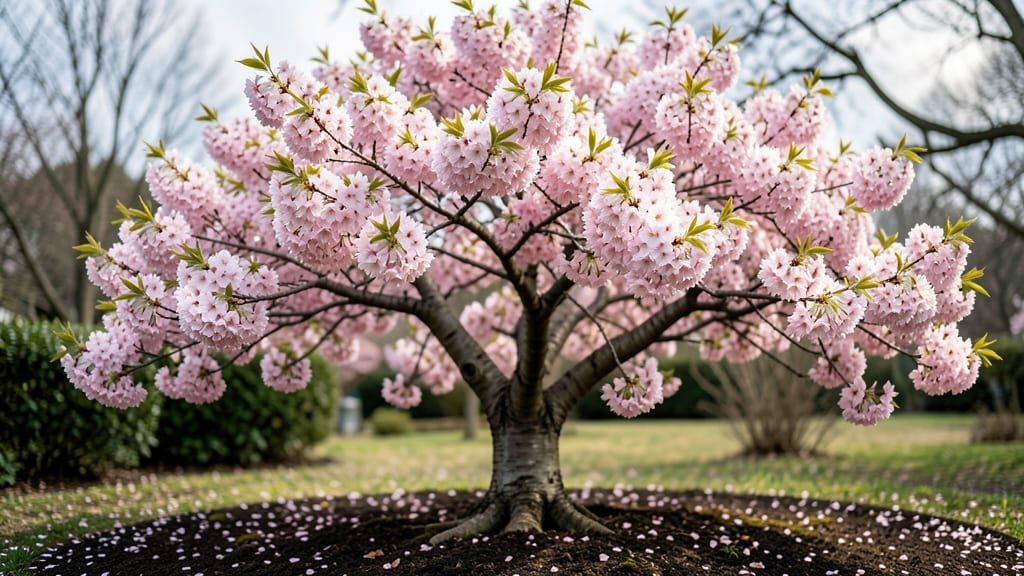
Planting a cherry blossom tree in the USA means trading store-bought bouquets for your own pink-and-white spring canopy that neighbors will envy. 🌸 I've watched my Yoshino cherry bloom for six years now, and the secret isn't complicated—it's about choosing the right variety for your climate and giving it space to grow into its majestic shape.
The Pacific Northwest and Midwest are ideal for these trees, but even urban spots like Washington D.C. or Philadelphia can accommodate them with proper planning. You'll need well-draining soil, full sun, and patience—they take 5-7 years to reach full bloom but reward you with weeks of spectacular flowers each spring.
What you'll love most is how low-maintenance they are once established. A little pruning in late winter keeps them healthy, and their disease resistance means fewer headaches than you'd expect. The fragrance alone makes it worth the wait—imagine waking up to that sweet, delicate scent drifting through your yard.
For city gardens, dwarf varieties like 'Okame' work beautifully in small spaces, while larger trees need room to spread their branches. Here's how to get started with the perfect tree for your region.
📚 In This Guide
- What you need
- Instructions
- Tips and common mistakes
- Wrapping up and next steps
What you need
- ● Cherry Blossom Tree: Choose between a Prunus serrulata (Japanese cherry) or a native Prunus avium (wild cherry). Opt for a 3-5 gallon container-grown tree (10-15 ft tall) for easier planting.
- ● Planting Hole: Dig a hole 2-3 times wider than the root ball and as deep as the container.
- ● High-Quality Soil: Mix 50% native soil with 50% compost or peat moss for optimal drainage.
- ● Mulch: 2-3 inches of organic mulch (e.g., wood chips or shredded bark) to retain moisture.
- ● Water: 5-10 gallons for initial watering (adjust based on soil dryness).
- ● Garden Shovel or Spade (for digging)
- ● Garden Gloves (to protect your hands)
- ● Pruning Shears (for trimming dead branches)
- ● Watering Can or Hose (with adjustable nozzle)
- ○ Soil pH Tester (optional) (ideal pH: 5.5-7.0)
- ○ Tree Stake & Ties (optional) (for young, unstable trees)
- ● Sunlight: 6+ hours of full sun daily (partial shade in hot climates).
- ● Climate Zone: Hardy in USDA Zones 5-8 (check your local zone here!).
- ● Space: Ensure 20-30 ft of clearance for mature growth (or dwarf varieties for smaller yards).
- ● Patience: Cherry blossoms may take 3-5 years to bloom fully!
Step-by-step guide to planting and caring for cherry blossom trees in the USA
Here's how to bring that iconic spring beauty to your yard with simple, proven steps.
🌱 Step 1: Choose the Right Variety and Planting Location
Start by selecting a Prunus serrulata variety suited to your USDA hardiness zone—most common types like 'Kwanzan' or 'Autumnalis' thrive in zones 5-8. These trees need full sun (at least 6 hours daily) and well-draining soil, so pick a spot with morning sunlight and afternoon shade if possible.
Dig a hole twice as wide as the root ball but only as deep as the container's base. Loosen the sides of the hole with a shovel to prevent soil compaction. I always test the soil pH before planting—cherry blossoms prefer slightly acidic soil (pH 5.5-6.5). If your soil is too alkaline, amend with peat moss or sulfur.
🪴 Step 2: Plant at the Correct Depth and Water Thoroughly
Remove the tree from its container and gently loosen any circling roots with your fingers. Place it in the hole so the top of the root ball sits 1-2 inches above ground level—this prevents water from pooling around the trunk. Backfill with native soil mixed with compost (about 1/3 of the hole's volume).
Water deeply right after planting to settle the soil and eliminate air pockets. You'll know it's done correctly when water drains freely from the bottom of the hole. Mulch the base with 2-3 inches of organic mulch (like wood chips) but keep it 6 inches away from the trunk to prevent rot. Water 2-3 times weekly for the first month to encourage root establishment.
☀️ Step 3: Provide Seasonal Care for Healthy Growth
Prune your cherry blossom in late winter (before buds swell) to remove dead or crossing branches. I only trim 10-20% of the canopy to maintain shape—these trees bloom on old wood, so heavy pruning reduces flowers. Fertilize in early spring with a balanced 10-10-10 formula (about 1/2 cup per year of tree age).
Watch for black knot fungus (dark, swollen growths on branches) and powdery mildew (white coating on leaves). If you spot these, prune infected areas immediately and apply neem oil as a preventative spray. In summer, water deeply once weekly—cherry blossoms hate soggy roots but need consistent moisture during droughts.
⏰ Step 4: Prepare for Spring Blooms and Long-Term Health
The best time to see those famous blossoms is late April to early May, depending on your zone. To extend the bloom time, choose 'Autumnalis'—it flowers on and off all season instead of just spring. After blooming, thin out 1/3 of the oldest branches annually to encourage new growth and prevent overcrowding.
In fall, reduce watering but keep the soil slightly moist until the first frost. Apply a 2-inch layer of mulch around the base (but not touching the trunk) to insulate roots during winter. I've found that wrapping young trees in burlap during harsh winters (below 10°F) prevents sunscald damage.
Tips & tricks for perfect cherry blossom trees in your yard
These simple secrets will help your cherry blossom thrive for years with minimal effort.
Soil Prep Secret: Before planting, mix 1/3 compost into the hole's native soil to improve drainage and nutrient content. I've found that adding a handful of mycorrhizal fungi to the planting hole boosts root growth—these beneficial microbes help trees absorb water and nutrients more efficiently. This extra step makes a noticeable difference in early establishment, especially in heavy clay soils.
Watering Wisdom: After planting, water 2-3 times weekly for the first month, but focus on deep watering that reaches 12-18 inches down. Use a moisture meter to check—soil should stay consistently moist but not soggy. I've seen many new planters overwater, thinking more is better, which actually leads to root rot. The key is thorough, infrequent watering that encourages deep root development.
Pruning Precision: When pruning in late winter, make cuts just outside the branch collar (the swollen area where the branch meets the trunk). This prevents unsightly stubs and promotes faster healing. I always sterilize my pruners with rubbing alcohol between cuts to prevent spreading disease. Remember, these trees bloom on old wood, so keep cuts minimal—just remove dead, crossing, or diseased branches.
Winter Protection Tip: For young trees in zones 5-6, wrap the trunk with burlap during extreme cold (below 10°F
Pro Tips for Cherry Blossom Tree Usa
- These simple secrets will help your cherry blossom thrive for years with minimal effort.
- Soil Prep Secret: Before planting, mix 1/3 compost into the hole's native soil to improve drainage and nutrient content.
- Watering Wisdom: After planting, water 2-3 times weekly for the first month, but focus on deep watering that reaches 12-18 inches down.
Frequently asked questions
Got questions about growing or enjoying cherry blossom trees in the U.S.? We’ve got answers! Here are some of the most common queries—from planting tips to blooming secrets.
When is the best time to plant a cherry blossom tree in the U.S.?
The ideal time to plant is early spring or fall (3–4 weeks before the first frost). This gives roots time to establish before extreme temperatures. Avoid planting in summer heat or winter freezes—both can stress young trees. Pro tip: If planting in fall, water deeply before the ground freezes to protect roots.
How much sunlight does a cherry blossom tree need?
Cherry blossoms thrive in full sun (6–8 hours daily), but they can tolerate partial shade (4–6 hours). Too little light? Expect fewer blooms and leggy growth. For urban areas, choose a south- or west-facing spot to maximize sunlight. Troubleshooting: If leaves yellow, it may signal insufficient light or overwatering.
Can cherry blossom trees survive winter in cold U.S. climates?
Most varieties (like Prunus serrulata) handle zones 5–8, but some, like Prunus avium, need zone 6+. Protect young trees with mulch (3–4 inches) and burlap wraps if winds are harsh. Ever-blooming types (e.g., Okame) are hardier. Watch for: Frost cracks on bark—prune damaged areas in early spring.
What’s a low-maintenance alternative to traditional cherry blossoms?
If you love blossoms but want less fuss, try:
- Yoshino cherry (Prunus × yedoensis): Disease-resistant, blooms reliably.
- Kwanzan cherry: Double-pink flowers, tolerates urban pollution.
- Dwarf varieties (e.g., Taihaku): Perfect for small yards!
Why aren’t my cherry blossoms blooming this year?
Common culprits:
- Age: Trees <5 years old may not bloom yet.
- Pruning mistakes: Cutting back after buds form = no flowers!
- Nutrient deficiency: Yellow leaves? Add iron or phosphorus.
- Stress: Overwatering or drought can delay blooms.
Wrapping up and next steps
From their delicate petals to their minimal care requirements, cherry blossom trees bring a touch of serene beauty to any U.S. landscape. Whether you’re drawn to their Sakura charm or their resilience, these trees are a perfect blend of elegance and ease—ideal for gardeners of all levels. 🌸
Ready to welcome spring’s magic? Start by choosing your variety and planting with care, then enjoy the rewards of a blooming masterpiece with almost no fuss. Your future blossoms—and the joy they’ll bring—are just a season away!