
Pruning
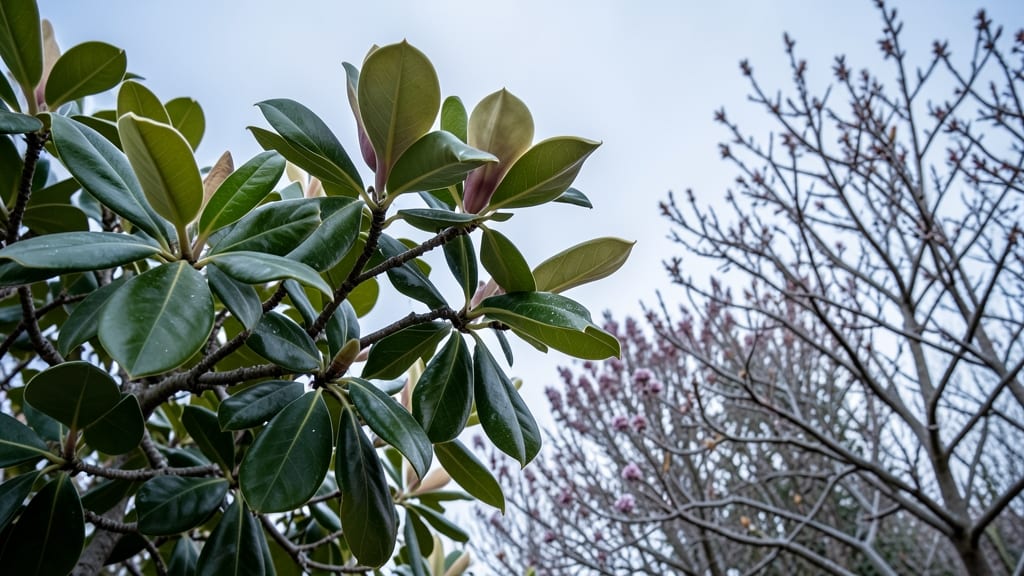
Mastering seasonal pruning transforms broadleaf trees and shrubs from mere plants into thriving, disease-resistant showpieces. These 10 expert techniques reveal the *when* and *how* of pruning to boost growth, shape beauty, and extend lifespan—no green thumb required.
Late Winter Dormant Season Pruning
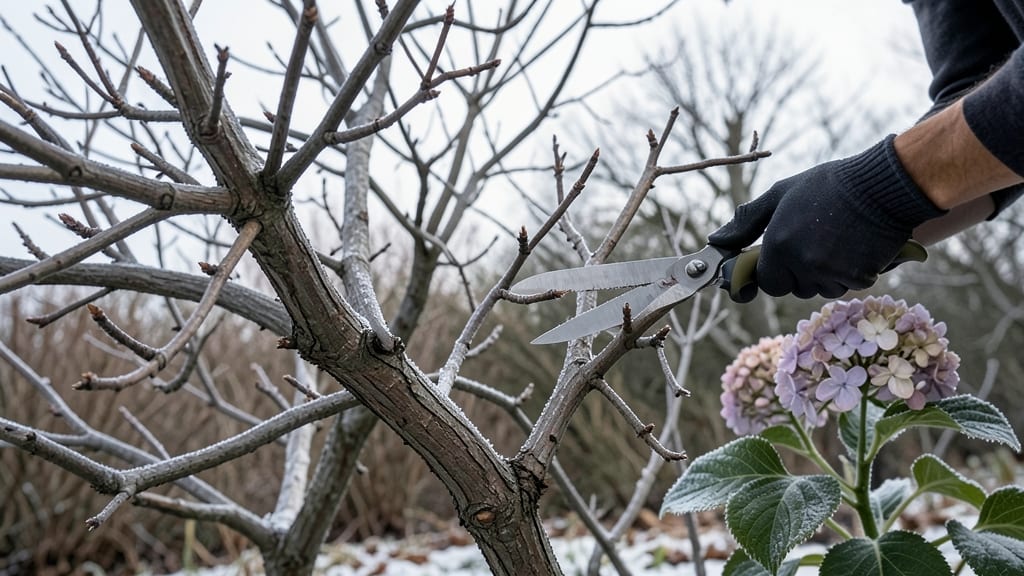
When your lilacs and hydrangeas stand dormant in late winter, they’re not just resting—they’re waiting for your pruning shears. This is the perfect time to shape them, as the absence of leaves makes it easier to spot dead or diseased branches hiding beneath the foliage.
Focus on removing dead wood, crossing branches, and any suckers at the base—these cuts encourage stronger growth in spring. For hydrangeas, cut back last year’s blooms to the first set of healthy buds, while lilacs respond well to a more dramatic trim back to 3-6 inches from the ground. Always use sharp, sterilized tools to prevent spreading disease.
This dormant season pruning sets the stage for a healthier, more vibrant blooming season ahead—ideal for gardeners who want to reduce disease risks and promote fuller shrubs. 🌱
Early Spring Flower Bud Pruning
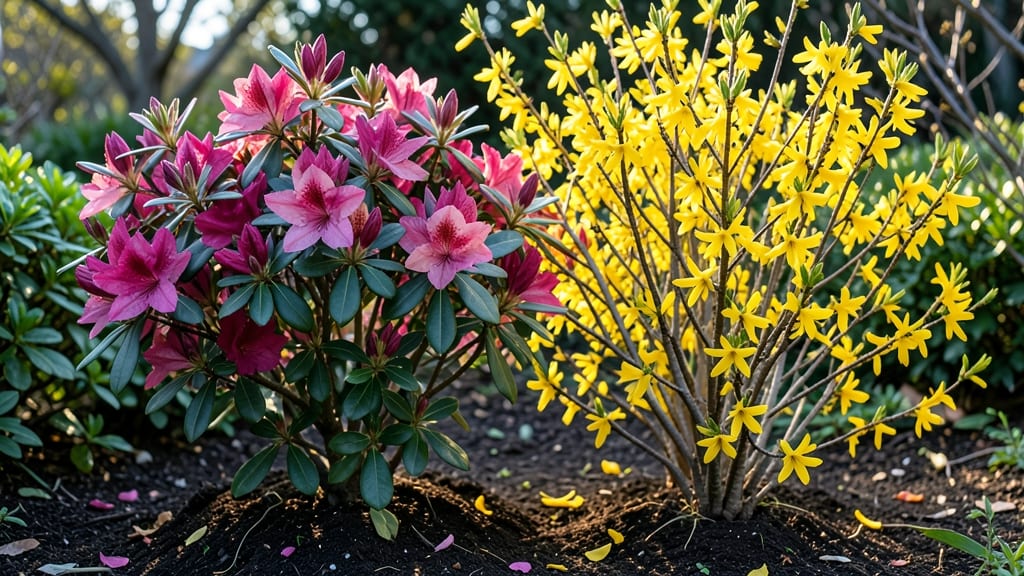
If your azaleas or forsythia are putting on a stunning spring show, resist the urge to prune until after the flowers fade. This timing is everything—cutting too early removes next year’s buds hidden among this year’s blooms, leaving you with a bare branch.
Wait until late spring or early summer when flowers have fully bloomed and begun to wilt. Focus on removing only the spent blooms and any crossing or damaged branches. For spring-blooming shrubs, this approach ensures vibrant flowers year after year without sacrificing future growth. A little patience now means more color tomorrow! 🌻
Summer Light Pruning For Leafy Growth
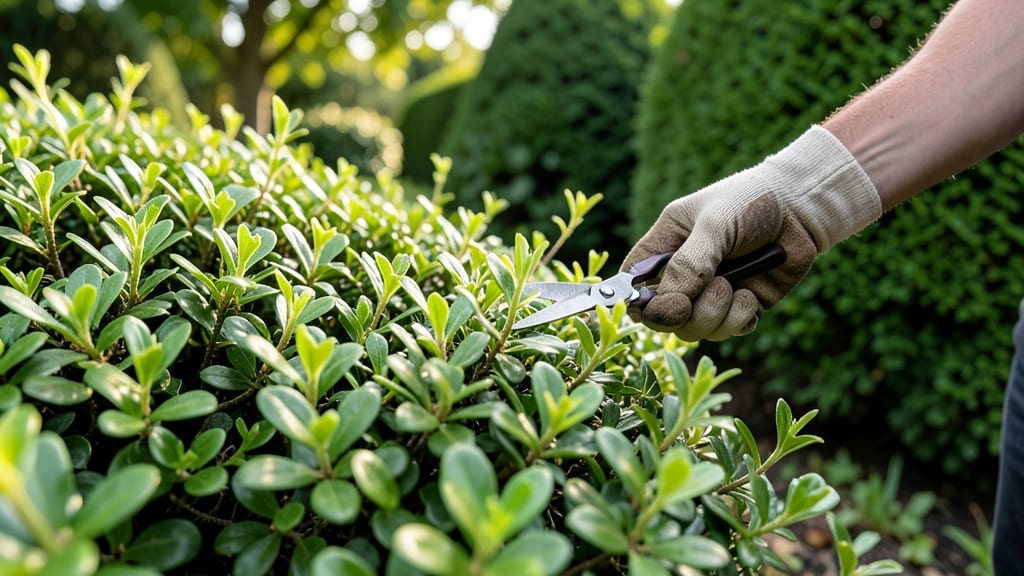
Want your boxwoods and other broadleaf evergreens to grow fuller and denser? The secret lies in a simple mid-summer trick called light pruning—pinching back those fresh new shoots to trigger bushier growth. This technique works best when plants are actively growing, typically in July or August, and takes just minutes to transform your shrubs.
Use clean, sharp pruners or your fingers to snip off the tips of new shoots just above a leaf node. Focus on the outer edges and any overcrowded branches to encourage lateral branching. Avoid heavy cuts—this isn’t about shaping, but stimulating more growth from the inside out. Repeat every 4-6 weeks for continuous results.
This method is perfect for urban gardeners with limited space or anyone who wants to maintain a neat, manicured look without sacrificing density. Just a few minutes of effort now means lush, healthy shrubs all season long. 🌿
Autumn Cleanup Pruning For Disease Prevention
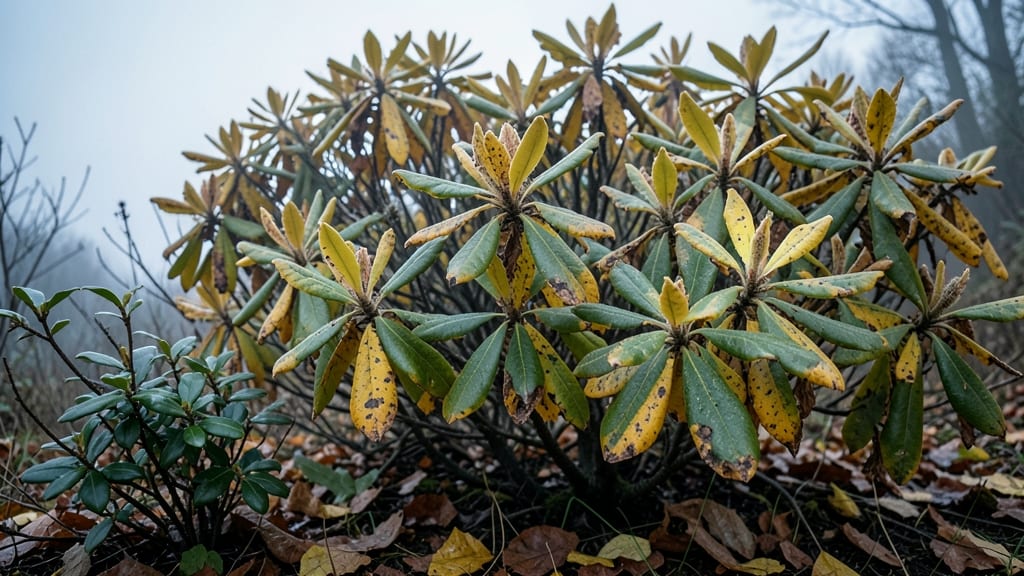
Fungal spores lurking in yellowing leaves or diseased foliage can turn your holly or rhododendron into a wintertime disaster. Autumn cleanup pruning isn’t just about tidying up—it’s your best defense against fungal infections that thrive in damp winter conditions.
Start by removing all infected, yellowed, or dead leaves from the base of shrubs, focusing on areas with dark spots or powdery mildew. Sterilize your pruners between cuts using a 1:9 ratio of bleach to water or 70% rubbing alcohol to kill spores. For broadleaf evergreens, trim back any branches with brown or wilted foliage, cutting just outside the branch collar.
This method is especially valuable for gardeners in humid climates or those with shade-loving shrubs prone to moisture retention. A few minutes of cleanup now can save hours of treatment later—and keep your plants looking their best year-round. 🌿
Renewal Pruning For Overgrown Shrubs
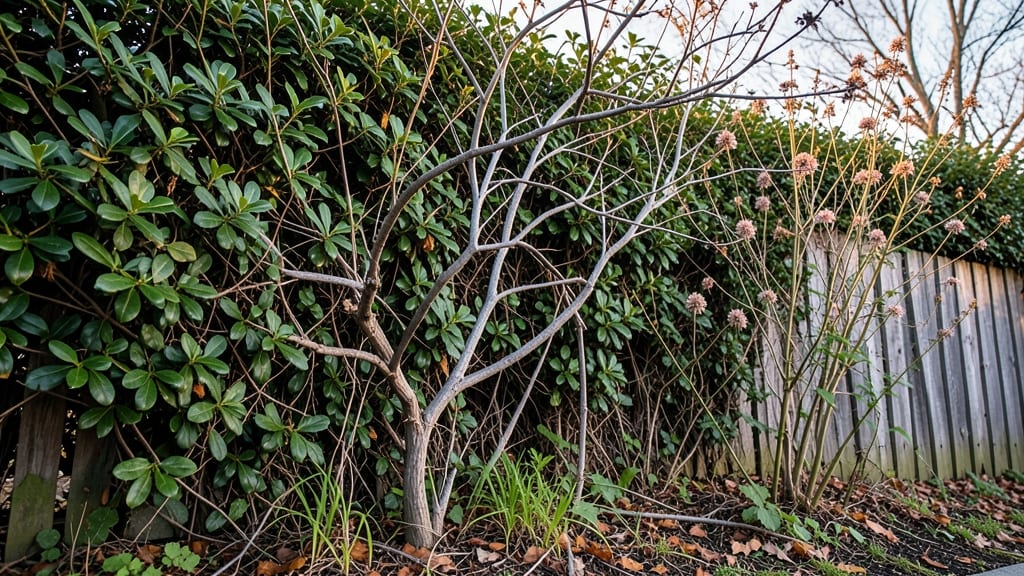
That unruly privet hedge or leggy spirea shrub taking over your garden? Renewal pruning is your secret weapon to bring it back to life—without sacrificing next year’s blooms. This technique targets neglected shrubs by removing up to ⅓ of the oldest wood, stimulating fresh growth from the base.
Timing is key: tackle this in early spring before new shoots emerge, using sharp bypass pruners to make clean cuts just above outward-facing buds. Focus on the thickest, woody stems first—these are often the culprits behind that "wild" look. While it may seem drastic, patience pays off: many shrubs rebound within 2-3 years, producing denser foliage and more vibrant blooms.
Perfect for urban gardeners with limited space or anyone dealing with overgrown broadleaf shrubs, this method breathes new life into neglected plants. Just remember: the more you cut now, the more dramatic (and beautiful) the comeback will be. 🌱
Structural Pruning For Young Trees
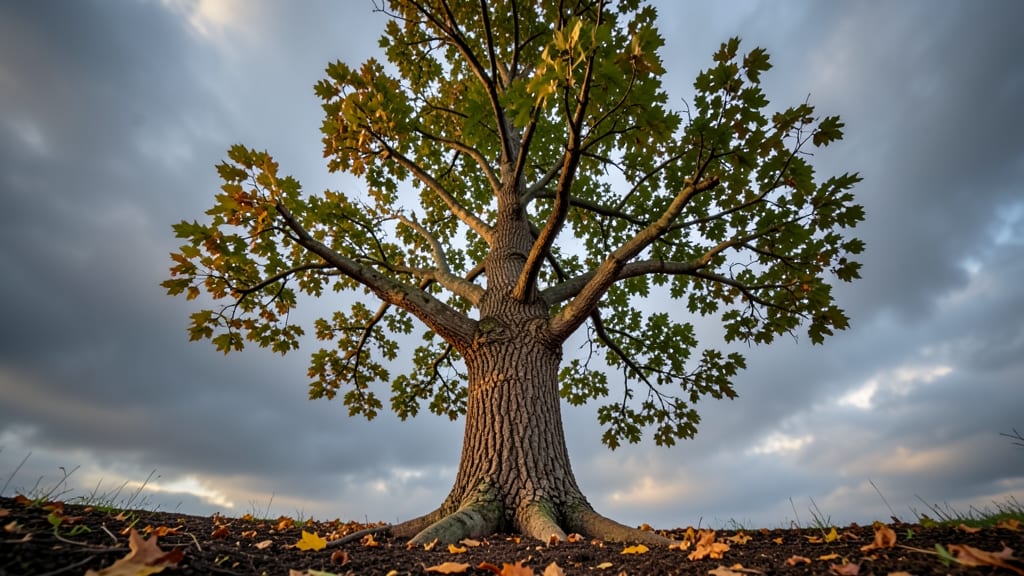
Want a strong, sturdy broadleaf tree that won’t snap under storm winds or heavy snow? Structural pruning in the first few years is your secret weapon—it’s like giving your tree a skeleton upgrade before it grows too big to fix.
Focus on removing competing leaders (multiple upright stems fighting for dominance) and crossing branches (where limbs rub together, creating weak spots). Use clean cuts just outside the branch collar, and avoid over-pruning—never remove more than 25% of the canopy in one session. This is especially critical for young maples, oaks, and cherries, where weak structure can lead to costly removals later.
Homeowners with new landscapes and arborists specializing in young trees will see the biggest payoff—stronger trees mean fewer future repairs and a safer yard. Start this pruning in late winter or early spring when the tree is dormant but about to wake up. 🌟
Deadheading Pruning For Extended Blooms
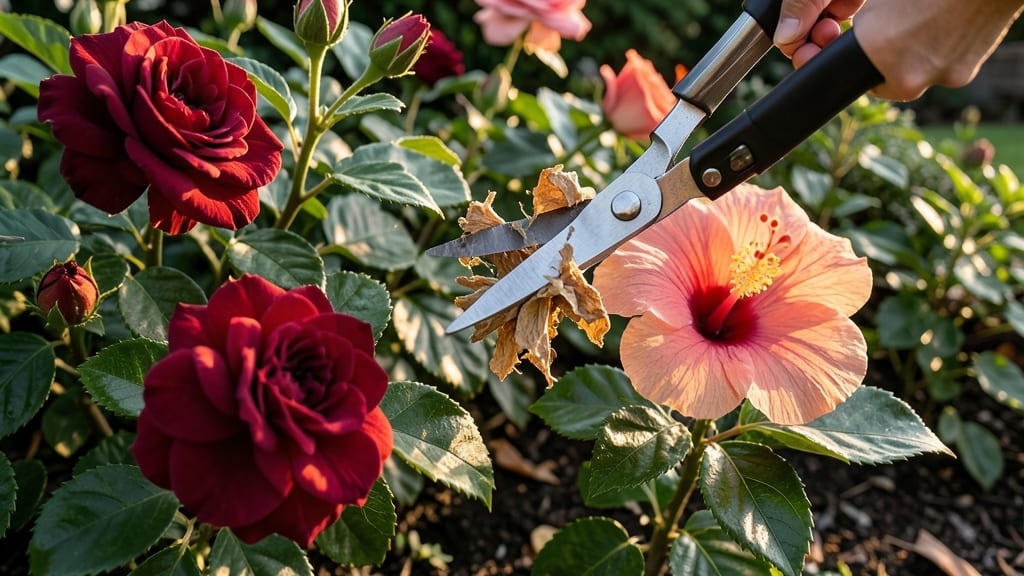
Want your roses and hibiscus to bloom nonstop? Deadheading—the art of removing spent flowers—is your secret weapon. This simple technique redirects the plant’s energy from seed production to growing more buds, turning a single burst of blooms into a season-long display.
Use clean, sharp pruners to snip just above a leaf or bud, avoiding the old flower stem. For continuous bloomers like roses, do this weekly during peak bloom season. For hibiscus, focus on removing faded flowers before they form seed pods. The key is consistency—this method works best when practiced regularly throughout the growing season.
Perfect for gardeners who love vibrant color without the fuss, deadheading keeps shrubs looking fresh and encourages healthier growth. Give it a try and enjoy longer, more abundant blooms all season! 🌻
Thinning Pruning For Air Circulation
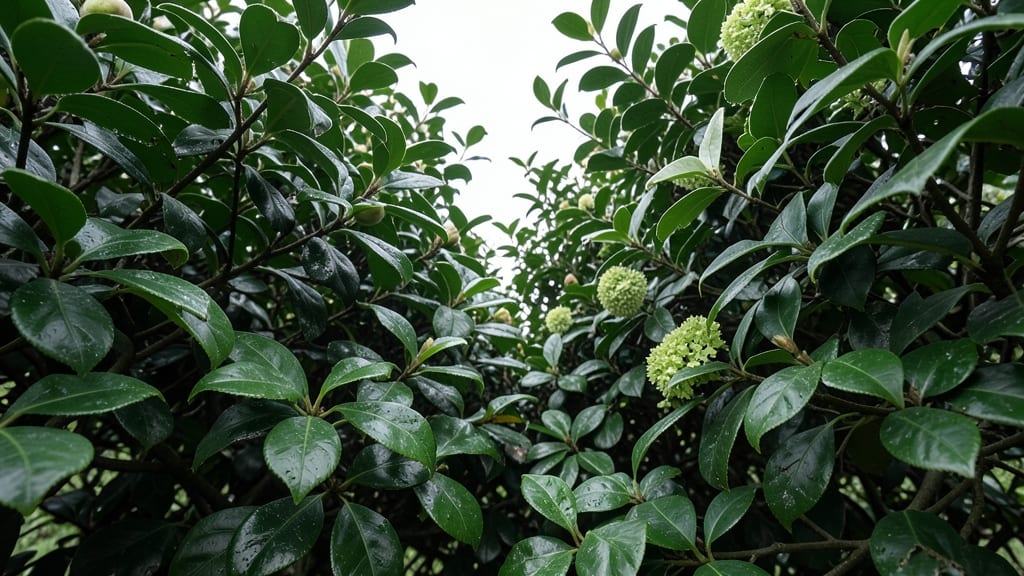
If your camellia or viburnum shrubs look like they’re suffocating under their own foliage, it’s time to thin them out. Dense shrubs trap moisture and block sunlight, creating the perfect conditions for fungal diseases like powdery mildew or botrytis. This targeted pruning technique isn’t about shaping—it’s about breathing life back into your plants.
Focus on removing 30-50% of the oldest, thickest branches from the center, cutting them back to the base or a strong outward-facing branch. Aim for a sunlight-friendly structure where light can reach the inner leaves—this encourages even growth and deters pests. The best time to do this is in late winter or early spring, just before new growth begins.
Thinning pruning is a game-changer for gardeners dealing with humid climates or crowded plantings. By improving airflow, you’ll see healthier foliage and fewer disease issues—plus, your shrubs will reward you with more vibrant blooms. 🌿
Hedge Pruning For Formal Shapes
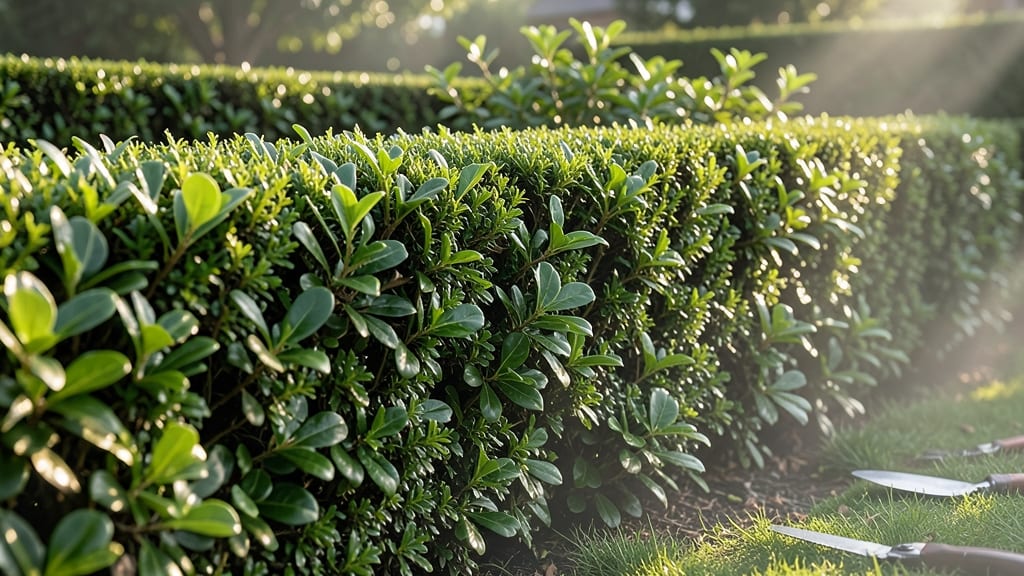
Want a hedge so sharp it could cut butter? Formal hedge pruning transforms broadleaf shrubs like beech and yew into living sculptures with crisp, geometric edges. This isn’t your average trim—it’s an art form that demands precision, frequent attention, and the right tools to maintain that showroom-worthy look.
Start with sharp, high-quality shears and a hedge trimmer—dull blades tear foliage, leaving ragged edges. Prune every 4-6 weeks during the growing season to maintain shape, and always cut at a 45-degree angle to encourage dense growth. For beech hedges, aim for a glossy finish by trimming when leaves are fully expanded but still soft. Yew, with its needle-like foliage, thrives with tighter, more frequent cuts to prevent gaps.
This technique is perfect for formal gardens, privacy screens, or topiary displays. With practice, you’ll achieve that manicured, resort-worthy look that elevates any landscape. ✨
Winter Pruning For Evergreen Shrubs

While deciduous shrubs sleep through winter, your magnolia or cherry laurel stays evergreen—but that doesn’t mean they shouldn’t get a little TLC. Late winter is the perfect time for a gentle pruning session that won’t wake them up too early or invite pests. This subtle shaping helps maintain their natural form while removing only the most necessary branches.
Focus on removing dead, diseased, or crossing branches first, then lightly trim to encourage airflow and sunlight penetration. Avoid heavy cuts—stick to shaping outer edges rather than drastic reductions. The goal is to create a balanced silhouette without stimulating premature growth before spring’s warmth arrives. Use sharp, sterilized tools to keep cuts clean and prevent infections.
This approach is ideal for gardeners with broadleaf evergreens in cooler climates or urban spaces where winter conditions can stress plants. A little light pruning now means healthier, more vibrant shrubs ready to burst into spring. ✨