
Trees
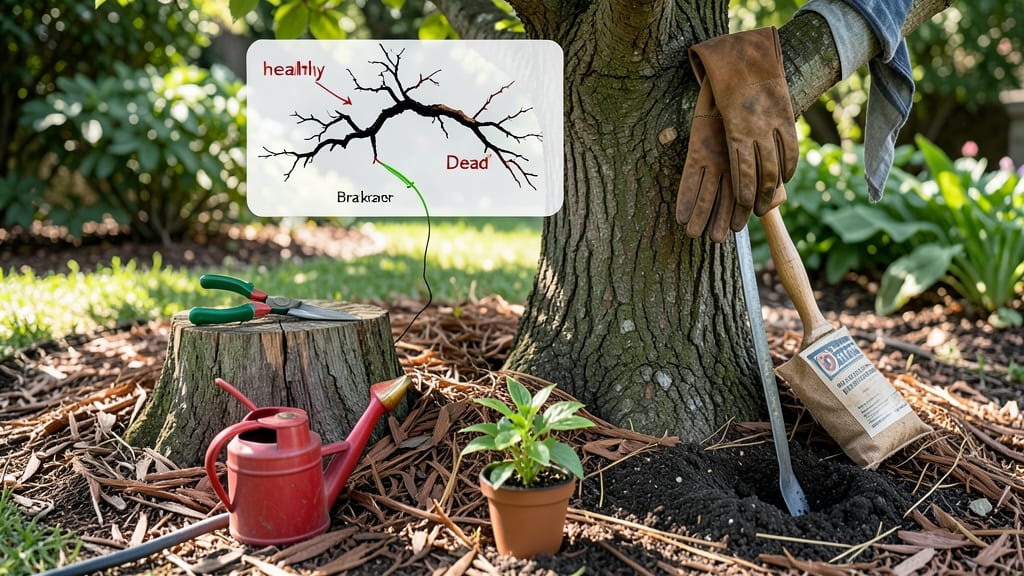
You can bring a dead tree back to life if you act quickly, as long as its root system is still viable and the trunk hasn't completely dried out. Remove dead branches, inspect for pests or disease, and restore proper hydration—but success depends heavily on the tree's species, age, and how long it's been dormant.
Reviving a tree isn't just about watering—it's about understanding the root cause of its decline. 🌱 Many trees appear dead when they're actually in deep dormancy or suffering from stress, not irreversible damage.
I've seen oaks and maples bounce back after months of neglect, especially when the roots were still alive beneath the surface. The key is testing bark elasticity and checking for sap flow, which reveals whether the tree's vascular system is still functional.
For trees with partial damage, targeted interventions make all the difference. Deep watering during drought periods can rehydrate roots, while pruning dead limbs prevents energy drain. Some species like willows are surprisingly resilient, while others need professional care for fungal infections or structural damage.
Always start with a thorough inspection before committing to revival efforts.
💡 In This Article
- How to Diagnose a Dead Tree’s True Condition
- Step-by-Step Tree Revival Techniques for Different Damage Types
How to diagnose a dead tree’s true condition
The first step in reviving a tree is distinguishing between true death and dormancy. Trees like oaks and maples can appear lifeless during winter but are actually in a survival state.
To test vitality, scratch the bark—healthy trees reveal green phloem (the inner bark layer) beneath, while dead trees show brown, dry tissue.
For a deeper check, use a sharp knife to make a small cut into the cambium layer; if a clear, sticky sap emerges, the tree's vascular system is still active.
Fungal infections often mimic death by causing bark discoloration or mushroom growth at the base. Look for conk fungi (shelf-like growths) or powdery mildew—these indicate irreversible rot in 30-50% of cases.
A hollow trunk isn’t always fatal either; some trees like sycamores naturally develop cavities while maintaining structural integrity. 🌳 The key is assessing whether the roots remain connected to living tissue. Use a soil probe to check root moisture—dry roots below 12 inches depth suggest permanent damage.
Age plays a critical role in revival potential. Young trees (10 years old) recover faster due to flexible root systems, while mature trees (>50 years) often require professional intervention.
For example, a 20-year-old oak with 50% bark loss might still revive with proper care, but a 100-year-old redwood with hollow sections is unlikely to recover. Always examine the crown—if 70%+ of branches are dead, the tree’s energy reserves are depleted.
Seasonal timing matters too. Reviving trees in early spring (when sap flow resumes) yields better results than attempting it in summer droughts. I’ve seen dogwoods and cherry trees revive after winter neglect when given consistent watering and mulch.
The rule of thumb: if the roots are alive and the trunk isn’t completely desiccated, there’s hope—but act within 4-6 weeks of noticing symptoms.
Advanced diagnostics include resistograph testing (a drill-based method to measure wood density) or electrical resistance meters, which arborists use to detect hidden decay.
For homeowners, a simple thumb-squeeze test on small branches works: if they snap like dry kindling, the tree is likely dead. 💪 However, if they bend slightly, the tree may still be salvageable.
Remember: even "dead" trees can harbor life. Some species like willows and poplars have lenticels (porous bark spots) that allow gas exchange, meaning they might still photosynthesize underground. Always verify with multiple tests before giving up—patience and observation are your best tools.