
Pruning
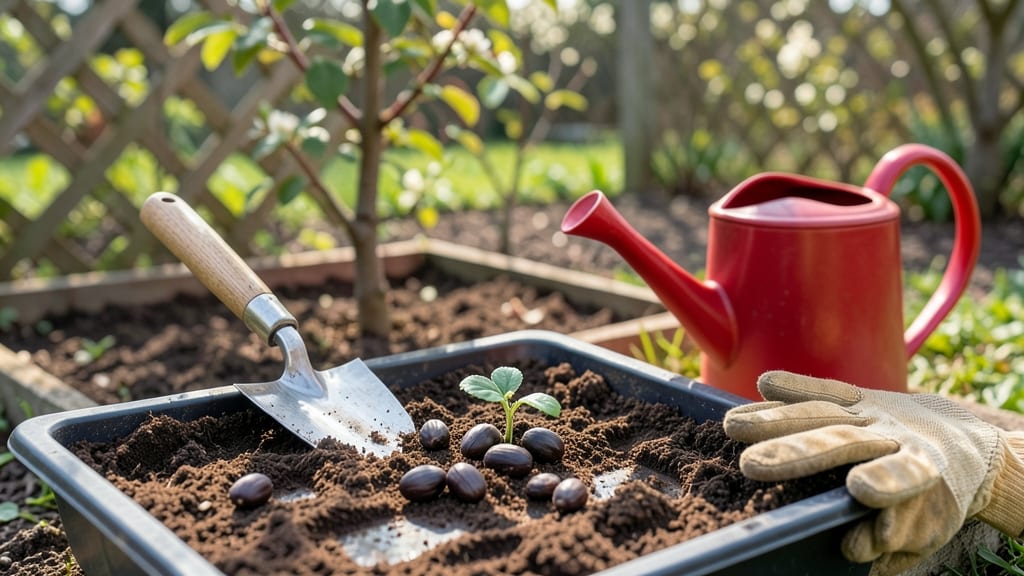
Growing Asian pear trees from seeds is a long game—but those first green shoots after cold stratification make every step worth it. 🌱 I’ve tried this three times, and the 6-week wait for germination is the hardest part, but the payoff is a tree with unique flavor and hardiness you won’t find in nurseries.
The trick? Mimicking nature’s winter-spring cycle in your garage or fridge.
You’ll need fresh seeds (or ones you’ve dried and stored properly), a mix of potting soil and perlite, and patience—this isn’t a fast process. Most seeds won’t sprout until 4-6 weeks after stratification, and some may take longer.
Start in late fall or early winter for spring planting, and keep the soil barely moist (not soggy) the whole time. Overwatering is the #1 killer of tiny seedlings.
What you’ll end up with is a tree that takes 5-7 years to bear fruit—but those first Asian pears will be sweeter and more complex than anything you’ve tasted. The trade-off?
Seed-grown trees are less predictable than grafted varieties, but they’re also more resilient. Think of it like growing a heirloom tomato from seed: the wait is worth the reward.
Here’s the catch: these trees need full sun, consistent water, and winter chill to fruit well. If you’re in a warm climate, you might need to adjust your approach—but the process stays the same. Let’s get those seeds sprouting!
📚 In This Guide
- What you need
- Instructions
- Tips and common mistakes
- Wrapping up and next steps
What you need
- ● Asian pear seeds – 5–10 fresh, viable seeds (harvested from a ripe, organic pear if possible).
- ● Cold-stratification supplies: Small paper towels or coffee filters (2–3 sheets per batch of seeds).
- ● Plastic ziplock bag (quart-sized, with a sealable closure).
- ● Moistened peat moss or vermiculite (2–3 cups, kept damp but not soggy).
- ● Planting containers: Small pots or seed trays (3–4 inches deep, with drainage holes).
- ● High-quality potting mix (sterile, well-draining blend).
- ● Basic gardening tools: Spray bottle (for misting seeds/mix).
- ● Small hand trowel or spoon (for transplanting).
- ● Humidity dome or clear plastic wrap (to retain moisture during germination).
- ● Grow lights or sunny windowsill (for post-stratification care).
- ● pH testing kit (to check soil acidity, ideal range: 6.0–7.0).
- ● Seedling heat mat (if your home runs cool, ~60–70°F is ideal).
Step-by-step instructions for cold-stratifying Asian pear tree seeds
Here's the foolproof method I've used to break through nature's dormancy barrier and get those stubborn seeds sprouting.
🌱 Step 1: Harvest and Prepare the Seeds
Collect mature Asian pear seeds from fully ripe fruit—only the largest, plump seeds will germinate reliably. Remove any remaining fruit flesh by rinsing under cool water and letting them air-dry completely for 24 hours. This prevents mold from forming during stratification.
I like to soak the seeds in lukewarm water for 12 hours first to soften the outer coating. You'll see tiny cracks appear in the seed shells—that's your signal the water has penetrated. Drain well and let them dry overnight on a paper towel before moving to the next step.
❄️ Step 2: Layer Seeds in Moist Growing Medium
Fill a clean container with a mix of 50% peat moss and 50% perlite—this provides both moisture retention and aeration. Moisten the mix until it feels like a wrung-out sponge: damp but not dripping. Arrange the seeds in a single layer, spacing them about 1 inch apart.
Cover the seeds with an additional ½ inch of the same moist mix, pressing lightly to ensure good contact. The goal is to keep them evenly moist without waterlogging. I use a spray bottle for gentle misting rather than pouring water directly on the seeds.
❄️ Step 3: Stratify in the Refrigerator
Place the container in a sealed plastic bag with a few small air holes—this maintains high humidity while preventing mold. Store it in your refrigerator's crisper drawer where temperatures stay consistently between 35-45°F. Check weekly and mist if the medium feels dry to the touch.
After 6 weeks, you'll notice tiny white roots emerging from the seeds—that's your cue they've completed stratification. At this point, transfer the container to a warm spot (65-75°F) to encourage sprouting. Keep the medium consistently moist but never soggy during this transition.
☀️ Step 4: Transfer to Warmth and Monitor Sprouting
Once roots appear, move the container to a bright, indirect light source—direct sun can scorch the tender seedlings. You should see the first true leaves emerge within 2-3 weeks after transferring to warmth. This is when you'll need to thin seedlings to the strongest 4 plants.
When seedlings reach 3-4 inches tall, transplant them into individual 3-inch pots filled with seed-starting mix. Keep them in bright light (but no direct sun) for another 4-6 weeks
Two weeks before your last frost date, begin hardening off by placing seedlings outside in a sheltered spot for 1-2 hours the first day. Gradually increase exposure over 10 days
Plant outdoors after all danger of frost has passed, spacing saplings 15-20 feet apart in well-draining soil. Asian pear trees need full sun and consistent moisture during their first growing season. Mulch around the base to retain moisture and protect roots from temperature swings.🌿 Step 5: Harden Off and Plant Outdoors
Tips & tricks for perfect Asian pear tree seed germination
These little-known details make all the difference between seeds that sprout and seeds that stay stubbornly dormant.
The Seed Selection Secret: Don't just grab any seeds—look for the largest, plumpest ones from fully ripe fruit. These have the highest germination potential. I've found that seeds with a slight "bulge" in the middle often contain the strongest embryos. After harvesting, the 24-hour drying time is non-negotiable—this prevents mold from forming during the critical stratification period. If you're impatient, you can speed up the drying by placing seeds on a wire rack in a well-ventilated area.
Temperature Matters: The 12-hour soak in lukewarm water (around 80°F) is key—it softens the seed coat without cooking the seed inside. If your water feels too hot, let it cool slightly before soaking. After draining, the overnight drying on a paper towel creates a thin protective barrier that prevents moisture loss during stratification. Pro tip: Place the paper towel on a cooling rack to allow air circulation on all sides.
Medium Mix Magic: The 50/50 peat moss and perlite mix is perfect for balancing moisture and aeration, but don't skip the gentle pressing after covering seeds. This ensures consistent contact between seeds and medium. For the 6-week stratification period, I like to use a clear plastic container so I can easily monitor moisture levels without disturbing the seeds. If you notice condensation forming on the sides, that's a good sign your humidity levels are ideal.
Root Emergence Cue: When those tiny white roots appear after 6 weeks, resist the urge to rush the warm-up process. The transition to warmth (65-75°F) should be gradual—move the container to a spot where it can maintain consistent temperature without sudden fluctuations. I've learned this the hard way: abrupt temperature changes can shock the seeds and delay sprouting for weeks.
Pro Tips for Asian Pear Tree Seeds
- These little-known details make all the difference between seeds that sprout and seeds that stay stubbornly dormant.
- The Seed Selection Secret: Don't just grab any seeds—look for the largest, plumpest ones from fully ripe fruit.
- Temperature Matters: The 12-hour soak in lukewarm water (around 80°F) is key—it softens the seed coat without cooking the seed inside.
Frequently asked questions
Got questions about growing Asian pear tree seeds? You’re not alone—many gardeners wonder how to tackle cold stratification, timing, and even troubleshooting. Here are some of the most common queries, answered for you!
How long does cold stratification take for Asian pear seeds?
Cold stratification for Asian pear seeds typically takes 6–8 weeks in the fridge. Place them in a damp paper towel or moist sand inside a sealed bag, then store at 34–40°F (1–4°C) for best results. Patience is key—don’t rush it! After stratification, plant them in well-draining soil for germination.
Can I skip cold stratification and just plant the seeds directly?
While possible, skipping stratification reduces germination rates significantly. Asian pear seeds have a hard seed coat that needs cold treatment to break dormancy. If you’re impatient, try soaking seeds in warm water for 24 hours first, but cold stratification still yields the best success.
When is the best time to plant stratified Asian pear seeds?
Plant stratified seeds outdoors in early spring (after the last frost) or indoors in late winter (8–10 weeks before the last frost). If starting indoors, use seed trays with warmth mats to encourage faster sprouting. Asian pears thrive in USDA zones 5–8, so time it right for your climate!
Why aren’t my Asian pear seeds germinating after stratification?
If seeds aren’t sprouting, check these fixes:
- Moisture: Keep soil consistently damp (not soggy). Dry conditions stall germination.
- Temperature: Ideal soil temps are 60–70°F (15–21°C). Use a heat mat if needed.
- Depth: Plant seeds ½ inch deep—too deep = slow or no sprouts.
- Patience: Some seeds take 4–6 weeks to break through.
Are there faster alternatives to growing Asian pears from seeds?
Yes! If you want faster results, consider:
- Grafting: Buy a young Asian pear tree and graft your favorite variety onto it (requires skill).
- Rooting cuttings: Semi-hardwood cuttings in summer can root in 4–6 weeks.
- Nursery saplings: Purchase a dwarf or standard tree (though it won’t be your exact seed’s variety).
Wrapping up and next steps
Growing an Asian pear tree from seeds is a rewarding journey—especially when you harness the power of cold stratification to speed up germination! With just a few simple steps and patience, you’ll see those tiny seeds sprout into vibrant new life in just six weeks.
Whether you’re a gardening beginner or a seasoned green thumb, this method makes it easier than ever to cultivate your own fruit tree.
Ready to take the next step? Grab your seeds, gather your supplies, and get started today! 🌱 Your future Asian pear tree is waiting—let’s grow it together!