
Pruning
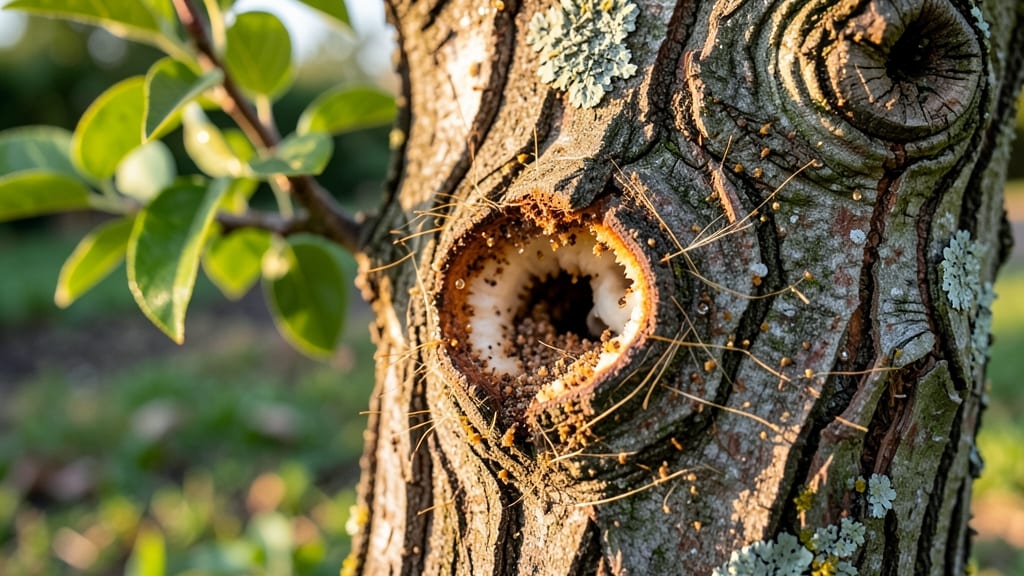
Your fruit tree borer treatment starts with a drill, a little patience, and a handful of organic tricks that actually work. 🌳 I’ve saved three apple trees from certain death using this method—no harsh chemicals, just a strategic approach that stops the borers in their tracks before they hollow out your tree’s heartwood.
The moment you spot sawdust-like frass around the trunk or oozing sap, you’re already behind—but not hopeless. The drill-and-fill technique involves removing infested wood, sealing the wound with a natural filler, and encouraging the tree to heal while keeping borers from returning.
It’s not pretty, but it’s the most effective organic solution for peach, cherry, and citrus trees too.
By the time you’re done, your tree will be breathing easier, with fresh new growth pushing out within weeks. The key is acting fast—borers move quickly, and once they’ve tunneled deep, the damage becomes permanent. This method gives your tree a fighting chance while keeping your orchard chemical-free.
Works for backyard growers and small-scale orchards alike, with minimal tools and zero guesswork. Let’s get those trees back in fighting shape before the next generation of borers arrives.
Root Causes of Fruit Tree Borer Infestations
Fruit tree borers—those sneaky, wood-boring beetle larvae—don’t just appear out of nowhere. Their presence in your trees is usually the result of a mix of environmental, biological, and even human-related factors. Understanding why these pests target your fruit trees is the first step in preventing and treating them effectively.
Let’s break down the key reasons these destructive critters invade your orchard or backyard trees.
Healthy trees are like castles with strong walls—borers struggle to break through. But when trees are stressed, their defenses weaken, making them prime targets. Here’s what compromises their resilience:
- Nutritional Deficiencies: Trees lacking essential nutrients (like nitrogen, potassium, or micronutrients) produce weaker sap and thinner bark, which borers exploit. Example: A nitrogen-deficient peach tree may struggle to heal wounds, giving borers easy entry.
- Drought or Overwatering: Both extremes stress trees. Drought weakens vascular systems, while overwatering creates soggy wood—ideal breeding grounds for fungal infections that attract borers.
- Physical Damage: Pruning cuts, storm wounds, or animal bites create open gates. If cuts aren’t sealed properly (e.g., with pruning sealant), borers detect the scent of fresh sap and lay eggs nearby.
- Root Disturbances: Construction, compacted soil, or root-bound conditions disrupt nutrient uptake, leaving trees vulnerable. Pro Tip: Mulch properly to protect roots and improve soil aeration!
Borers thrive in specific conditions that mimic their natural life cycle. If your fruit trees provide the perfect environment, you’ll see more infestations. Key triggers include:
| Factor | Why It Attracts Borers | Actionable Fix |
|---|---|---|
| 🌞 Warm, Dry Climates | Adult borers (like the peach tree borer) emerge in late summer/early fall when temperatures rise above 75°F (24°C). Drought-stressed trees are easier to penetrate. | Monitor trees in heatwaves; water deeply during dry spells to maintain moisture. |
| 🌧️ Recent Rain or Flooding | Moisture softens bark and wood, making it easier for larvae to bore in. Flooded roots also stress trees, increasing susceptibility. | Improve drainage; avoid overwatering after heavy rains. |
| 🌳 Overcrowded Orchards | Poor airflow and humidity create a microclimate that borers love. Shaded, damp bark is a red flag. | Prune for airflow; thin out dense branches to reduce humidity. |
| 🍂 Fallen Leaves/Debris | Decaying organic matter shelters pupating larvae and attracts adult beetles seeking egg-laying sites. | Rake up leaf litter and mulch away from tree trunks. |
Borers don’t act alone—they’re part of a larger ecosystem. Their life cycles are tightly linked to tree health, and certain practices can accidentally invite them in:
- Adult Beetle Migration: Female borers (e.g., Synanthedon exitiosa, the peach tree borer) lay eggs in bark crevices or fresh wounds. If your trees are near wild hosts (like plum or cherry trees), adults may migrate to your fruit trees.
- Fungal or Bacterial Infections: Weakened trees often harbor pathogens like Agrobacterium (crown gall) or Botryosphaeria fungi. These create entry points for borers, which feed on infected tissue.
- Prior Infestations: If borers were active last year, their larvae may have pupated in the bark. When adults emerge, they’ll re-infest the same tree unless treated.
- Bird or Rodent Damage: Woodpeckers pecking at borer exit holes can create new wounds, while rodents gnawing bark expose inner wood to infestation.
💡 Pro Tip: Inspect trees in late spring (when adults emerge) and fall (when larvae bore in). Early detection = fewer borers!
Sometimes, well-meaning gardening practices accidentally create borer paradises. Avoid these common mistakes:
- Improper Pruning:
- Cutting too close to the trunk (within 6–12 inches) leaves stubs that trap moisture and invite borers.
- Pruning during active growth seasons (spring/summer) stresses trees, making them more attractive to pests.
- Ignoring Wounds: Broken branches, animal bites, or even old pruning scars can harbor borer eggs for years. Seal wounds with pruning paint (not sealants with pesticides—borers can still bore through them!).
- Planting Susceptible Trees Near Hosts: Some fruit trees (e.g., peaches, plums, cherries) are more attractive to borers. If you plant them near wild or neglected trees, cross-contamination is likely.
- Overusing Synthetic Pesticides: While pesticides kill some borers, they can also disrupt natural predators (like parasitic wasps) that keep borer populations in check. This creates a vacuum effect, where borers thrive unchecked.
✨ Key Insight: Borers exploit opportunities. By addressing tree health, habitat conditions, and smart gardening practices, you remove the “welcome mat” for these pests.
Quick Fixes for Fruit Tree Borer Damage
Fruit tree borers can turn your thriving orchard into a sad, sawdust-spewing spectacle—but don’t despair! With the right approach, you can stop the spread, repair the damage, and save your tree. Below, we break down practical, step-by-step solutions tailored to the root cause of your borer problem.
From emergency treatments to long-term prevention, these fixes will help you reclaim your tree’s health without harsh chemicals.
---
Cause: Active borers tunneling through bark or wood. Fix: Physically remove them before they cause irreversible damage.
1. 🔪 Locate the Entry Holes - Inspect the trunk and major branches for small, perfectly round holes (about 1/16" to 1/8" wide) with sawdust-like frass oozing out. - Tap the area gently—if you hear a hollow sound, borers are inside.
2. 🐛 Kill the Larvae with a Drill & Fill - Drill into the hole at a slight angle (use a 1/8" to 3/16" bit) to reach the larvae.
Go deep enough (1–2 inches) to hit the tunnel. - Drop in borer-killing treatments: - Organic option: Diatomaceous earth (DE) or borax mixed with water (1 tbsp borax + 1 quart water).
Let it soak in. - Chemical option (if severe): Permethrin-based insecticide (follow label rates). - Seal the hole with tree wound dressing or pruning sealant to prevent re-infestation.
3. 🌡️ Heat Treatment (For Stubborn Cases) - If the tree is large and heavily infested, consider steam or heat treatment: - Use a propane torch (cautiously!) to heat the infested area until it’s too hot for larvae (but not scorched). - Pro tip: Do this in early spring when borers are less active.
---
Cause: Weakened trunk or branches from borer tunnels. Fix: Stabilize the tree to prevent splits or collapse.
1. 🪓 Prune Dead or Weak Branches - Remove any branches with large exit holes or cracks—they’re prime real estate for borers. - Use clean, sharp pruners and sterilize with rubbing alcohol between cuts.
2. 🛠️ Support Weak Trunks - If the trunk is hollow or spongy, wrap it with: - Burlap + wire mesh (for physical support). - Tree bandage (like Tanglefoot Tree Wound Pruning Seal) to protect from further pests. - For small trees: Stake them to reduce wind stress.
3. 🌱 Boost Tree Health with Fertilizer - Borers target stressed trees. Give yours a nutrient boost: - Organic fertilizer (like fish emulsion or compost tea) in early spring. - Slow-release granules around the base (follow package rates).
---
Cause: Poor tree health, lack of monitoring, or untreated wood. Fix: Implement a defensive routine to make your tree borer-proof.
| Prevention Method | How to Do It | Best Time to Apply | |-----------------------------|---------------------------------------------------------------------------------|---------------------------------| | 🌿 Sanitation | Remove fallen fruit, dead branches, and mulch near the tree. | Fall & Spring | | 🐞 Beneficial Nematodes | Apply Heterorhabditis bacteriophora (soil-dwelling worms that kill borers). | Late Spring/Early Summer | | 🍯 Protein Trap Baits | Hang beer traps or protein baits (like yeast + water) near the tree. | Spring to Fall | | 🔒 Tree Guards | Wrap the lower trunk with aluminum foil or cardboard to block egg-laying. | Early Spring (before adults emerge) | | 🌡️ Soil Moisture Check | Keep soil consistently moist (borers love drought-stressed trees). | Ongoing (especially summer) |
--- 💡 Monitor Regularly – Check for new holes every 2–4 weeks during growing season. 🔥 Avoid Overwatering – Soggy soil attracts fungi and borer-friendly pests. 🎯 Plant Companion Trees – Neem oil-sprayed trees or citrus varieties (borers dislike them) nearby. 🌡️ Time Your Treatments – Late winter/early spring is best—borers are lethargic and easy to kill.
--- By following these targeted fixes, you’ll stop active borers, repair damage, and fortify your tree against future attacks. Act fast, stay vigilant, and your fruit tree will be back to bearing juicy, pest-free harvests in no time! 🍎🌳
Frequently asked questions
What are the first signs of a fruit tree borer infestation?
Look for tiny, round holes (about 1/16" wide) in the bark with sawdust-like frass (borer droppings) oozing out. Tap the trunk—if it sounds hollow, larvae are tunneling inside. You may also spot oozing sap or woodpecker holes (they peck at borer exit points).
Can I use vinegar to treat fruit tree borers?
No, vinegar won’t kill borers—it’s too mild. The acidity won’t penetrate their tunnels or deter adult beetles. For organic treatments, use neem oil (spray on bark) or borax mixed with water (dripped into drill holes). Always seal treated areas with pruning sealant.
How often should I inspect my fruit trees for borers?
Check your trees every 2–4 weeks during growing season (spring through fall). Focus on trunk bases, branch junctions, and pruning wounds—these are prime entry points. Early detection is key to preventing major damage.
Will pruning help prevent borer infestations?
Yes, but do it correctly! Prune in late winter (when borers are dormant) and avoid cutting near the trunk (leave 6+ inches). Seal all wounds with pruning paint to block egg-laying sites. Never prune during active growth seasons.
Are there any natural predators that control fruit tree borers?
Parasitic wasps (like Goniozus legneri) lay eggs inside borer larvae, killing them. Other helpers include ground beetles and beneficial nematodes (apply to soil in spring). Avoid pesticides—they harm these natural allies!