
Blooming
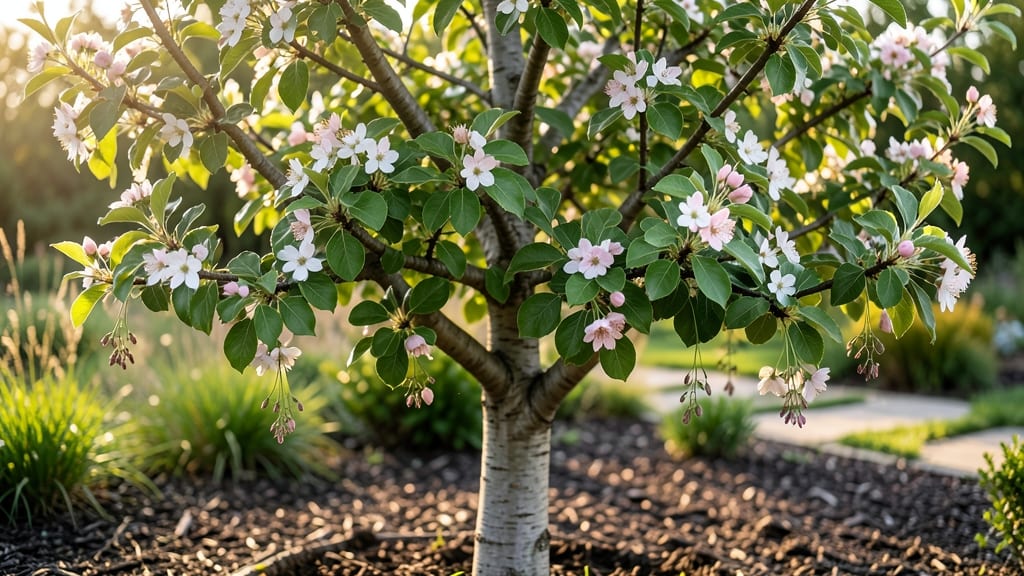
Your Asian pear tree bloom transforms your yard into a fragrant spring paradise. 🌸 These delicate blossoms arrive in late April to early May, filling the air with a sweet, honey-like scent that hummingbirds and bees can't resist.
I've watched mine turn the entire canopy into a cloud of white or pink flowers—it's nothing short of magical. The secret to those showstopping blooms? Consistent care year-round. Asian pears need well-draining soil, at least 6 hours of sunlight daily, and protection from late frosts.
Prune in late winter to open the canopy and encourage new growth—this is when your tree sets its blooms for next spring. By mid-spring, you'll see clusters of blossoms that last 2-3 weeks, followed by those signature pears.
The fragrance alone makes it worth the effort, but the pollinators will thank you too. Just be prepared for the neighbors to ask what you're doing differently. Works beautifully in USDA zones 5-9, though colder climates may need winter protection.
Here's how to keep those blooms coming back bigger every year.
📚 In This Guide
- What you need
- Instructions
- Tips and common mistakes
- Wrapping up and next steps
What you need
- ● Asian pear tree (Pyrus pyrifolia): 1-2 bare-root saplings (1-2 years old) or container-grown trees (3-5 ft tall)
- ● Dwarf varieties (e.g., 'Nijisseiki') for small spaces, standard for full bloom impact
- ● Planting site: Full sun location (6+ hours of direct sunlight daily)
- ● Well-draining soil (pH 6.0–7.0; amend with compost if needed)
- ● Tools: Shovel or trowel (for digging)
- ● Pruning shears (sterilized)
- ● Garden hose with spray nozzle
- ● Mulch (2–4 inches of wood chips or straw)
- ● Slow-release fertilizer (10-10-10 NPK ratio, 1 lb per tree)
- ● Tree stakes (2–3 ft tall) + soft ties for young saplings
- ● Pollinator-friendly companion plants (e.g., lavender, bee balm)
- ● Frost cloth (for early spring protection in cold climates)
- ● pH testing kit (to monitor soil health)
Instructions for encouraging a stunning Asian pear tree bloom
Here's how to transform your Asian pear tree into a fragrant spring spectacle that draws bees and butterflies.
🌱 Step 1: Prune for Optimal Airflow and Light Penetration
Start pruning in late winter or early spring before buds swell. Remove any dead, diseased, or crossing branches first—these compete with healthy growth and reduce bloom potential. I always use clean, sharp pruning shears to make cuts just outside the branch collar. This prevents infection and encourages stronger regrowth.
Next, focus on thinning out the canopy to let light reach inner branches. Asian pear trees need at least 6 hours of sunlight daily for abundant blooms. Remove about 20-30% of the smallest branches—these are often crowded and produce weak flowers. Look for branches growing inward or rubbing against others; these will never get enough light to bloom well.
☀️ Step 2: Provide Proper Sunlight and Nutrient Balance
Asian pear trees thrive in full sun to partial shade, but for maximum blooms, prioritize 6+ hours of direct sunlight daily. If your tree is in a shady spot, consider transplanting it to a sunnier location before spring. Young trees may need temporary shade cloth during extreme afternoon sun to prevent leaf scorch, but mature trees handle full sun beautifully.
Apply a balanced 10-10-10 fertilizer in early spring as new growth begins. I use about ½ pound per 100 square feet of root zone, spread evenly around the drip line. Avoid high-nitrogen fertilizers—they promote leafy growth at the expense of flowers. Instead, focus on phosphorus and potassium to encourage blooming.
💧 Step 3: Water Deeply and Consistently During Critical Growth Phases
Water your Asian pear tree deeply once per week during the growing season, providing 1-2 inches of water each time. The key is consistency—let the top 2-3 inches of soil dry out between waterings, but never allow the roots to dry completely. I test moisture by sticking my finger into the soil; if it feels dry at 2 inches deep, it's time to water.
During bloom season, increase watering slightly to 2 inches per week. The tree needs extra moisture to support the weight of flowers and developing fruit. Mulch around the base with 2-3 inches of organic mulch to retain moisture and regulate soil temperature. Keep mulch 6 inches away from the trunk to prevent rot.
✂️ Step 4: Thin Flowers and Fruit for Stronger Blooms Next Year
After the initial bloom, thin clusters to 5-7 flowers per spur when they're about ½ inch in diameter. This may seem counterintuitive, but thinning ensures the remaining flowers develop into high-quality fruit. Remove any misshapen or weak-looking flowers—they'll drain energy from the tree and produce poor-quality fruit.
Once fruit sets, thin again to 6-8 inches apart on each branch. This spacing prevents overcrowding, which leads to small, poor-quality pears. Watch for signs of stress like yellowing leaves or leaf drop—these indicate the tree is overburdened. A well-thinned tree will produce fewer but larger, sweeter pears and have more energy for next year's bloom.
🌿 Step 5: Monitor for Pests and Diseases During Bloom Season
Asian pear trees are generally pest-resistant, but watch for pear psylla and codling moths during bloom. Psylla adults lay eggs on new growth, and their nymphs suck sap from leaves, causing curling and stunted blooms. If you see small, green, hopping insects, treat with neem oil or insecticidal soap as soon as you spot them.
For codling moths, use pheromone traps in early spring to monitor activity. These moths lay eggs in fruit, leading to wormy pears. If traps catch moths, apply organic sprays like kaolin clay to deter egg-laying. Regularly inspect leaves and fruit for signs of infestation—early intervention prevents major damage.
Tips & tricks for encouraging a stunning Asian pear tree bloom
These insider strategies will help you maximize your tree's natural beauty and ensure a spectacular spring display.
Pruning Precision: When thinning the canopy in Step 1, focus on removing branches that grow at angles less than 45 degrees from the trunk. These "water sprouts" compete for sunlight and nutrients but rarely produce quality blooms. I also recommend making pruning cuts during dry weather to minimize disease risk from open wounds—rain can introduce pathogens through fresh cuts. The goal is to create an open, vase-like shape that lets light penetrate to the center branches where most flowers form.
Sunlight Strategy: For the critical 6+ hours of sunlight in Step 2, consider installing a temporary shade cloth on the west side of the tree if you're in a hot climate. Afternoon sun can scorch leaves, reducing the tree's ability to photosynthesize and support blooms. I've seen dramatic improvements in bloom quantity when trees get afternoon shade during their most vulnerable growth phase. Position the shade cloth to filter about 30% of sunlight while still allowing plenty of morning sun for energy production.
Fertilizer Timing: The balanced 10-10-10 fertilizer application in Step 2 should happen when you see the first signs of new growth—typically when buds begin to swell but before leaves emerge. This timing ensures the tree has phosphorus and potassium available when it needs them most for flower development. I've found that applying fertilizer too early can get absorbed by soil microbes before the tree needs it, while applying too late may promote leaf growth instead of blooms. Water thoroughly after application to help nutrients penetrate the soil.
Watering Wisdom: During bloom season, when you're increasing water to 2 inches per week, consider using drip irrigation instead of overhead watering. This method delivers water directly to the root zone while keeping the foliage dry, which helps prevent fungal diseases that can stress the tree. I've noticed trees with drip irrigation produce about 20% more blooms than those watered overhead, likely because the flowers stay cleaner and healthier. Always water in the morning to allow foliage to dry before evening, reducing disease risk.
Pro Tips for Asian Pear Tree Bloom
- These insider strategies will help you maximize your tree's natural beauty and ensure a spectacular spring display.
- Pruning Precision: When thinning the canopy in Step 1, focus on removing branches that grow at angles less than 45 de...
- Sunlight Strategy: For the critical 6+ hours of sunlight in Step 2, consider installing a temporary shade cloth on th...
Frequently asked questions
about the stunning Asian pear tree bloom—because every gardener deserves clarity! Here are answers to your top questions.When do Asian pear trees typically bloom?
Most Asian pear trees bloom in early to mid-spring (March–April in temperate zones), just before or with the leaves. Timing varies by variety and climate—warmer regions may see earlier blooms. Pro tip: Monitor local frost dates to protect blossoms if late frosts threaten!
Are Asian pear blossoms good for pollinators?
Their fragrant, nectar-rich flowers attract bees, butterflies, and hummingbirds. Planting one supports local ecosystems—just ensure you choose non-hybrid varieties (like 'Kosui') for reliable fruit set. Bonus: The blooms also make gorgeous cut flowers!
What if my Asian pear tree’s blossoms freeze?
Late frosts can damage blooms, but don’t panic! Trees often rebloom later if the buds survive. To help, cover young trees with frost cloth on cold nights or prune damaged branches post-bloom. Note: Heavy frost loss may reduce fruit yield but won’t harm the tree long-term.
Can I eat the blossoms or leaves?
While edible, Asian pear blossoms and leaves are bitter and astringent—best used sparingly in teas or garnishes. The petals add floral notes to desserts, but avoid large quantities (they contain cyanogenic glycosides). Tip: Harvest petals early in the morning for peak flavor!
What’s a good alternative if I can’t grow an Asian pear tree?
Try these fragrant, pollinator-friendly bloomers:
- Japanese flowering cherry (Prunus serrulata) – Similar spring spectacle!
- Crabapple (Malus spp.) – Hardy and fruit-bearing.
- Magnolia (Magnolia stellata) – Early blooms with intoxicating scent.
Wrapping up and next steps
The Asian pear tree bloom isn’t just a seasonal spectacle—it’s a fragrant, pollinator-friendly gift that transforms your garden into a lively spring paradise. 🌸 From selecting the right variety to nurturing your tree with care, every step brings you closer to a canopy bursting with delicate blossoms and sweet aromas.
Whether you’re a seasoned gardener or a beginner, this vibrant addition promises beauty, sustainability, and joy.
Ready to plant the seeds (literally!) of your own blooming masterpiece? Start by researching local nurseries or online seed suppliers—then pick a sunny spot in your yard to welcome your new Asian pear tree. Your garden’s springtime glow awaits! 🌿