
Trees
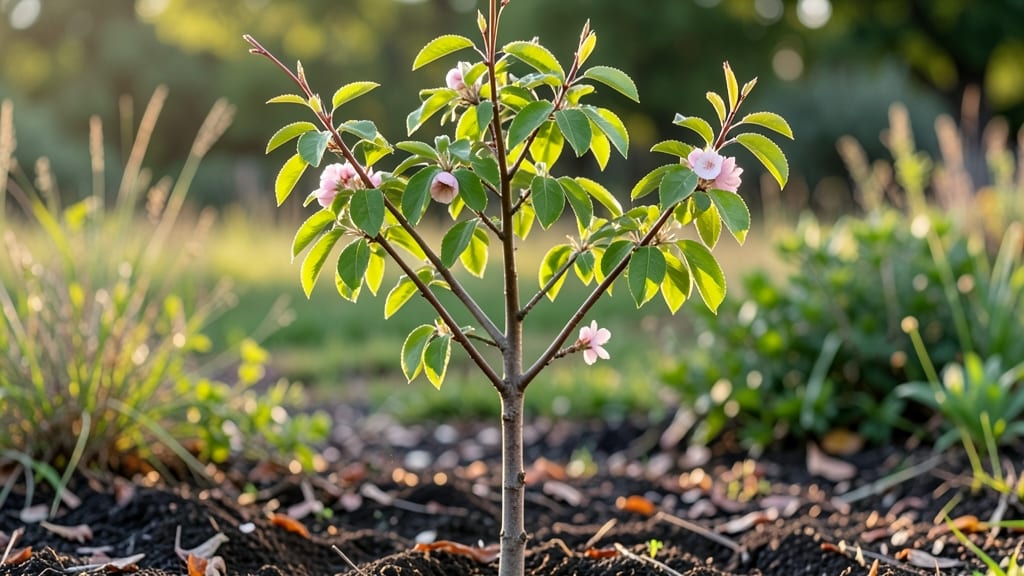
Your young apricot tree’s leaves hold the key to its future—whether it thrives or struggles depends on what you do now. 🌱 Those delicate first-year leaves are especially vulnerable to pests like aphids, mites, and fungal spots that can stunt growth or even kill the tree if ignored.
I’ve learned the hard way that early intervention saves seasons of frustration.
The good news? Most issues are preventable with simple steps: regular pruning to improve airflow, organic sprays for pests, and monitoring for early signs of stress. You’ll need basic tools—a sharp pair of pruners, horticultural oil for pests, and a close eye for yellowing or curling leaves.
The goal is to keep the tree healthy enough to produce fruit within 3-5 years.
By summer’s end, you’ll recognize the difference between normal leaf drop and trouble—spotting aphid clusters or fungal spots early means treatments work faster. Healthy leaves mean stronger branches, better fruit set, and a tree that outgrows common problems. The effort now pays off in harvests for decades.
Works for both backyard orchards and container-grown trees—just adjust watering and pest checks for your climate. Let’s get those leaves in top shape before winter hits.
📚 In This Guide
- What you need
- Instructions
- Tips and common mistakes
- Wrapping up and next steps
What you need
- ● Pruning shears: Bypass pruners (sharp, clean, and sterilized with rubbing alcohol to prevent disease spread). Quantity: 1 pair.
- ● Gloves: Heavy-duty gardening gloves (nitrile-coated for grip and protection from thorns). Quantity: 1 pair.
- ○ Loppers: For thicker branches (if your tree has any over ½ inch in diameter). Quantity: 1 pair (optional for small trees).
- ● Disposable pruning bags: For collecting leaves and clippings (20-gallon capacity). Quantity: 1-2 bags.
- ● Neem oil or horticultural oil: 100% pure, organic (for pest control). Quantity: 1 quart bottle.
- ● Spray bottle: 16 oz with a fine-mist nozzle (for applying neem oil or insecticidal soap).
- ● Rake: Medium-sized (for clearing debris). Quantity: 1.
- ● Watering can or hose: With a gentle spray attachment (for post-pruning hydration).
- ○ Pruning sealant: (Optional) Tree wound paste to protect cuts on larger branches.
- ● Face mask: To avoid inhaling dust or spores (especially in dry conditions).
- ● Hand sanitizer: For post-work cleanliness.
- ● Labeling tags: Small plant markers to track harvested leaves if repurposing them (e.g., for compost or tea).
- ● Safety glasses: If working near the tree’s canopy or with power tools.
- ● Apricot tree care guide: A printed or digital reference for pruning tips specific to young trees.
- ● Know the age of your apricot tree (young trees are typically 1-3 years old and need gentle pruning).
- ● Check the weather forecast—prune on a dry, cloudy day to reduce stress on the tree.
- ● Identify pests or diseases (if present) before treating. Common issues include aphids, spider mites, or fungal spores.
- ● Have a clear plan for harvesting leaves (e.g., drying, composting, or pest control applications).
Instructions for pruning and pest control on young apricot tree leaves
Here’s how to keep your apricot tree healthy and productive from the start.
✂️ Step 1: Identify and Remove Damaged or Diseased Leaves
Start by inspecting your young apricot tree for any leaves that look yellowed, spotted, or wilted. These are often the first signs of disease or pest infestation. I always grab a small pair of pruning shears and snip off any leaves that don’t look vibrant and green—this prevents the spread of issues before they take hold.
Focus on leaves that have black spots, holes, or a sticky residue (a sign of aphids or scale). You’ll also want to remove any leaves that are curled or have unusual growths. These are your early warning signs that something’s wrong, and addressing them now keeps the whole tree healthier.
🌿 Step 2: Prune for Airflow and Light Penetration
Young apricot trees need good airflow to prevent fungal diseases and strong sunlight to produce fruit. I start by thinning out any crowded branches—look for areas where leaves are rubbing against each other or blocking light from reaching the center of the tree. Use your pruning shears to cut back any branches that are growing inward or crossing over others.
Make your cuts just above a leaf node or outward-facing bud. This encourages new growth in the right direction. You’ll know you’re doing it right when you can see light filtering through the canopy and air moving freely around the branches. This step is all about setting your tree up for success in the long run.
🪴 Step 3: Apply Preventative Pest Control Measures
Once you’ve pruned, it’s time to check for pests. I like to run my fingers along the undersides of leaves—this is where aphids, mites, and other pests often hide. If you find any, spray the leaves with a mixture of 1 tablespoon of mild dish soap and 1 quart of water. This gentle solution disrupts their life cycle without harming the tree.
For a stronger defense, I also apply a thin layer of neem oil to the leaves using a spray bottle. Neem oil is a natural pesticide that works well on young trees and won’t leave harmful residues. Focus on the undersides of leaves and any areas where you noticed pests earlier. Reapply every 2-3 weeks during the growing season to keep pests at bay.
💧 Step 4: Monitor and Maintain After Pruning
After pruning and treating for pests, keep an eye on your tree over the next few weeks. Water the base of the tree deeply but avoid getting water on the leaves—this can encourage fungal growth. I usually water in the early morning so the leaves have time to dry before evening.
Watch for new growth and any signs of stress, like wilting or discoloration. If you notice any issues, act quickly—early intervention is key with young trees. A healthy apricot tree will show new, bright green leaves within a few weeks, and that’s your sign everything is on track.
Tips & tricks for pruning young apricot trees
Keeping your young apricot tree thriving requires a few key tricks that go beyond the basics. Here's what I've learned after years of working with these delicate trees.
Tool Selection: Don't just grab any pruning shears—opt for sharp, clean bypass pruners (not anvil types) for clean cuts that heal faster. I also keep a pair of small hand pruners for reaching tight spots between branches. Sterilize your tools with rubbing alcohol between cuts to prevent spreading disease. The right tools make all the difference when working with young, tender growth.
Timing is Everything: The best time to prune your apricot tree is during late winter or early spring, just before buds begin to swell. This timing allows the tree to heal quickly before the growing season begins. In Step 1, when you're removing damaged leaves, do this throughout the growing season as needed—but avoid heavy pruning during hot weather, which stresses young trees.
Visual Pruning Cues: In Step 2, when you're thinning branches, look for the "light test"—hold your hand about 12 inches from the center of the tree. If you can't see your hand through the leaves, you need to thin more. Also, check for branches growing at sharp angles (greater than 45 degrees) to the trunk, as these are more likely to break in storms. Cutting these out now prevents future damage.
Pest Prevention Strategy: For Step 3's pest control, I've found that adding a few drops of garlic oil to your neem oil mixture (about 5 drops per quart) gives an extra boost against soft-bodied pests. The garlic acts as a natural repellent while the neem oil disrupts their life cycle. Just be sure to test this mixture on a small branch first to check for any sensitivity.
Pro Tips for Young Apricot Tree Leaves
- Keeping your young apricot tree thriving requires a few key tricks that go beyond the basics.
- Tool Selection: Don't just grab any pruning shears—opt for sharp, clean bypass pruners (not anvil types) for clean cuts that heal faster.
- Timing is Everything: The best time to prune your apricot tree is during late winter or early spring, just before buds begin to swell.
Frequently asked questions
Got questions about young apricot tree leaves? You’re not alone! Here are the most common queries—and their answers—to help you manage your tree with confidence.
When is the best time to harvest young apricot leaves for pruning?
The ideal time to harvest young apricot leaves is early spring (before bud break) or late winter when the tree is still dormant. This ensures tender, nutrient-rich foliage that’s perfect for pruning while minimizing stress on the tree. Avoid harvesting during extreme heat or frost, as it can damage the leaves.
How do I identify pests on young apricot tree leaves?
Watch for aphids, spider mites, or scale insects—common culprits. Look for sticky residue (honeydew), tiny webs, or discolored spots on leaves. Early detection is key! Use a magnifying glass to inspect undersides of leaves. If pests appear, treat with neem oil or insecticidal soap for organic control.
How often should I prune young apricot tree leaves for healthy growth?
Prune once a year in late winter or early spring (before new growth). Focus on removing dead, diseased, or crossing branches to improve airflow. Avoid heavy pruning—aim for 10-20% of the canopy to prevent stress. Young trees benefit from light, strategic cuts to shape growth without overburdening the tree.
Can I use young apricot leaves for anything other than pruning?
Young apricot leaves are edible and packed with nutrients like vitamin A and antioxidants. Use them in salads, teas, or as a garnish. Just ensure the tree isn’t treated with pesticides. For pest control, crushed leaves can also act as a natural repellent when sprinkled around the base of the tree.
What should I do if my young apricot tree leaves turn yellow or wilt?
Yellowing leaves often signal overwatering, nutrient deficiency, or fungal issues. Check soil moisture—apricot trees prefer well-draining soil. If leaves wilt, reduce watering and ensure proper drainage. For fungal diseases (like powdery mildew), apply copper fungicide or remove affected leaves promptly to prevent spread.
Wrapping up and next steps
Caring for your young apricot tree’s leaves is all about timing, precision, and a little green-thumb love! 🌱 Whether you’re pruning for shape, managing pests, or simply keeping your tree thriving, the right approach makes all the difference.
With the tools, knowledge, and confidence you’ve gained, you’re now ready to nurture a healthier, more productive tree—one leaf at a time.
💡 Next steps: Start small—pick one task from this guide (like pruning or pest control) and put it into action this season. Watch your apricot tree flourish, and soon, you’ll be enjoying those sweet, juicy fruits (and maybe even sharing tips with fellow gardeners!). Happy growing! 🌟