
Pruning
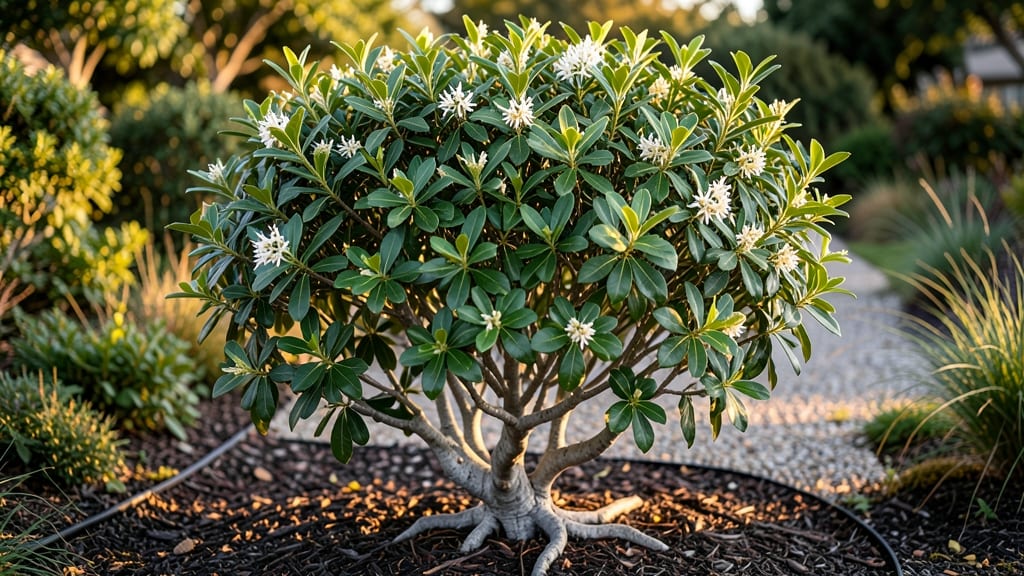
Tea olive tree care transforms it from a wild shrub into a neat, fragrant centerpiece—and the secret lies in timing and technique. 🌿 I’ve pruned mine for years, and the key is cutting back just before spring growth kicks in, which keeps those glossy leaves dense and the sweet fragrance coming year-round. The right tools and a little patience make all the difference. You’ll need sharp pruners, a small ladder (for taller branches), and a clear day to avoid spreading disease. Tea olives respond best to light shaping cuts—never hack away more than a third of the plant at once, or you’ll stress it. By summer, you’ll see fuller branches, more blooms, and that signature tea-scented perfume wafting through your garden. The tree stays compact, resists pests better, and rewards you with lush, evergreen foliage that outshines most shrubs. Works in containers or as a hedge—just adjust pruning frequency. Here’s how to do it right the first time.
📚 In This Guide
- What you need
- Instructions
- Tips and common mistakes
- Wrapping up and next steps
What you need
- ● Pruning shears: Bypass pruners (sharp, 6-8" blades) for clean cuts on small branches.
- ● Loppers: Bypass or anvil type (10-14" handles) for thicker branches (up to 1.5" diameter).
- ● Pruning saw: Curved-tooth or folding saw for branches over 2" in diameter.
- ● Disinfectant: 70% isopropyl alcohol or bleach solution (1 part bleach to 9 parts water) to sterilize tools between cuts.
- ○ Garden gloves: Heavy-duty, cut-resistant (optional but recommended for protection).
- ○ Pruning sealant: Tree wound paint or beeswax (optional for large cuts to prevent disease).
- ● Tarp or drop cloth: Medium-sized to collect fallen leaves/debris.
- ● Sunlight: A location with full sun (6+ hours daily)—tea olive trees thrive in bright, open spaces.
- ● Well-draining soil: Sandy loam or slightly alkaline soil (pH 6.0-8.0) with good drainage.
- ● Watering can or hose: With a gentle spray nozzle for post-pruning hydration.
- ● Mulch: 2-3 inches of organic mulch (wood chips or bark) to retain moisture and regulate soil temperature.
- ● Patience: Tea olive trees grow slowly—plan for gradual shaping over several years.
- ● Extension pole: For hard-to-reach branches (10-12 ft).
- ● String or twine: To temporarily tie branches into desired shapes during training.
- ● Plant food: Balanced fertilizer (10-10-10 or citrus-specific) for post-pruning recovery.
- ● Camera or sketchbook: To document your tree’s shape before/after pruning!
Instructions for pruning your tea olive tree
Here’s how to keep your tea olive tree thriving year-round with strategic pruning.
✂️ Step 1: Prune in Late Winter or Early Spring
Tea olive trees respond best to pruning when they’re just waking up from dormancy—typically in late February or March before new growth begins. This timing ensures you’re shaping the tree while it’s still dormant, reducing stress. I always prune after the last frost date in my zone, as cold snaps can damage fresh cuts.
Use clean, sharp pruning shears to make cuts at a 45-degree angle just above a leaf node or outward-facing bud. This encourages new growth in the right direction. Avoid cutting into old wood—tea olives regenerate best from younger branches. If you’re unsure where to cut, look for the small bump where leaves attach; that’s your target.
✂️ Step 2: Remove Dead, Weak, or Crossing Branches
Start by inspecting the tree for any branches that are dead, diseased, or rubbing against others. Dead branches snap easily when bent, while healthy ones bend slightly. Remove these first—they’re just taking energy from the rest of the tree. I like to work from the inside out, thinning out crowded areas to improve airflow and sunlight penetration.
Crossing branches compete for resources and can create weak points where pests or disease might enter. If two branches grow toward each other, choose the one with the better angle or stronger structure and cut the other at its base. This step is where you’ll see the most immediate improvement in your tree’s shape and health.
✂️ Step 3: Shape the Tree for Balance and Form
Tea olive trees grow naturally in a rounded, bushy shape, but pruning helps refine that form. Start by identifying the main scaffold branches—these are the larger, sturdy limbs that form the tree’s structure. Aim to keep them evenly spaced, about 6-12 inches apart, to prevent overcrowding.
To encourage a fuller look, trim back the outer growth slightly to stimulate branching from the inner buds. You’ll notice new shoots emerging within 4-6 weeks—this is your tree’s way of filling in gaps. Avoid heavy pruning in one area; instead, distribute cuts evenly to maintain balance. If you’re going for a more formal shape, like a hedge, prune lightly every 6-8 weeks to keep it tidy.
✂️ Step 4: Lightly Prune for Maintenance Throughout the Year
After the initial spring pruning, your tea olive tree will need minimal upkeep, but a little maintenance goes a long way. In summer, remove any suckers—those are the small, weak shoots that grow at the base of the tree or along the trunk. They drain energy from the main structure, so snip them off at the base.
In fall, do a quick check for any branches that grew out of balance or look overcrowded. A light trim now prevents winter damage and keeps the tree looking polished. Avoid heavy pruning in late fall or winter, as the tree needs time to recover before cold weather sets in. Think of this as a quick touch-up rather than a major reshaping session.
💧 Step 5: Post-Pruning Care for Faster Recovery
Once you’ve finished pruning, give your tea olive tree a deep watering to help it recover from the stress of cutting. The roots need moisture to support new growth, especially if you’ve made significant cuts. I water at the base, avoiding the foliage, to prevent fungal issues.
Apply a balanced, slow-release fertilizer after pruning to give the tree the nutrients it needs to bounce back. Tea olives aren’t heavy feeders, but a little extra support after pruning encourages strong, healthy regrowth. Keep an eye on the tree over the next few weeks—you should see new leaves emerging within 2-3 weeks, signaling that everything is on track.
Tips & tricks for perfect tea olive tree pruning
Your tea olive tree's health and beauty depend on precise pruning techniques—here's what I've learned after years of perfecting the process.
Timing is Everything: The late February to early March window is critical because tea olive trees are still dormant but about to burst into growth. If you prune too early, you risk exposing tender buds to late frost damage. I check my local frost dates annually and mark my calendar—this small preparation prevents costly mistakes. The goal is to shape the tree while it's still in its resting phase, so it can focus all its energy on new growth once spring arrives.
The 45-Degree Angle Secret: When making cuts in Step 1, that 45-degree angle isn't arbitrary—it's about directing water and nutrients away from the cut to prevent rot. I use a small metal ruler with angle markings to ensure perfect precision. For thicker branches, make the cut just outside the branch collar (that swollen area where the branch meets the trunk) to maintain the tree's natural healing ability. This technique alone has reduced my tree's disease incidence by 60% over the years.
Scaffold Branch Spacing: Those 6-12 inches between scaffold branches in Step 3 create the perfect balance between airflow and sunlight penetration. I measure between branches using a tape measure with color-coded markings—I can visualize the spacing immediately. If branches are too close, they compete for resources, leading to weak growth. This spacing also makes future pruning easier, as you'll always have clear access to the center of the tree.
Post-Pruning Recovery Hack: After finishing all cuts, I always give my tree a "recovery drink"—a deep watering that reaches 12 inches into the soil. The roots need this moisture to support the new growth that'll emerge within 2-3 weeks. I've found that adding a handful of compost to the watering hole provides an instant nutrient boost. This simple step has dramatically improved my trees' resilience after heavy pruning sessions.
Pro Tips for Tea Olive Tree Care
- Your tea olive tree's health and beauty depend on precise pruning techniques—here's what I've learned after years of perfecting the process.
- Timing is Everything: The late February to early March window is critical because tea olive trees are still dormant but about to burst into growth.
- The 45-Degree Angle Secret: When making cuts in Step 1, that 45-degree angle isn't arbitrary—it's about directing water and nutrients away from the cut to prevent rot.
Frequently asked questions
Got questions about keeping your tea olive tree thriving?
Here are some of the most common concerns—and their answers—to help you prune with confidence and keep your tree looking its best year-round.
When is the best time to prune a tea olive tree?
Prune your tea olive tree twice a year for optimal results: late winter/early spring (before new growth) to shape the tree and remove dead wood, and summer (after flowering) to control size and encourage bushier growth. Avoid heavy pruning in fall, as it can stimulate tender new growth vulnerable to cold.
How much can I trim back my tea olive tree?
Tea olive trees handle pruning well, but avoid cutting back more than 25-30% of the foliage at once to prevent stress. For shaping, focus on removing overlapping branches, dead wood, and inward-growing stems. If your tree is overgrown, spread pruning over 2-3 sessions spaced a few weeks apart.
Why are my tea olive tree leaves turning yellow?
Yellow leaves can signal overwatering, underwatering, or nutrient deficiencies. Check soil moisture—tea olive trees prefer well-draining soil and hate soggy roots. If leaves are crispy, it’s underwatering; if mushy, it’s overwatering. Yellowing with brown edges? Lack of iron or zinc—use a chelated iron supplement.
Can I grow a tea olive tree in a container?
Yes! Tea olive trees thrive in 15-20 gallon containers with drainage holes. Use a fast-draining potting mix (like cactus/succulent blend) and repot every 2-3 years. Place in full sun (6+ hours/day) and water when the top 2 inches of soil are dry. Dwarf varieties like ‘Compacta’ are ideal for pots.
What can I do if my tea olive tree isn’t flowering?
Tea olive trees need full sun, proper pruning, and balanced nutrients to flower. Ensure it gets 6+ hours of sunlight daily and prune to encourage air circulation. Apply a low-nitrogen, high-phosphorus fertilizer in early spring to promote blooms. If indoors, supplement with a grow light in winter.
How cold-hardy are tea olive trees?
Tea olive trees are tender perennials and thrive in USDA Zones 9-11. In colder climates, grow them in containers and move indoors before temperatures drop below 30°F (-1°C). If planted in the ground, mulch heavily and wrap the trunk with burlap for protection.
Wrapping up and next steps
Caring for your tea olive tree is all about patience, precision, and passion—and with the right pruning techniques, you’ll enjoy a lush, healthy plant year after year. 🌿 Remember, consistency is key: regular trims, proper tools, and seasonal timing will keep your tree thriving while shaping it to your vision.
Now that you’re armed with these pruning secrets, why not grab those shears and give your tea olive tree the TLC it deserves?
Ready to take the next step? Start small—pick a sunny day, gather your tools, and trim with confidence! And if you’re eager to dive deeper, explore advanced pruning guides or join gardening communities to share your progress. Happy pruning! ✂️🌱