
Pests and Diseases
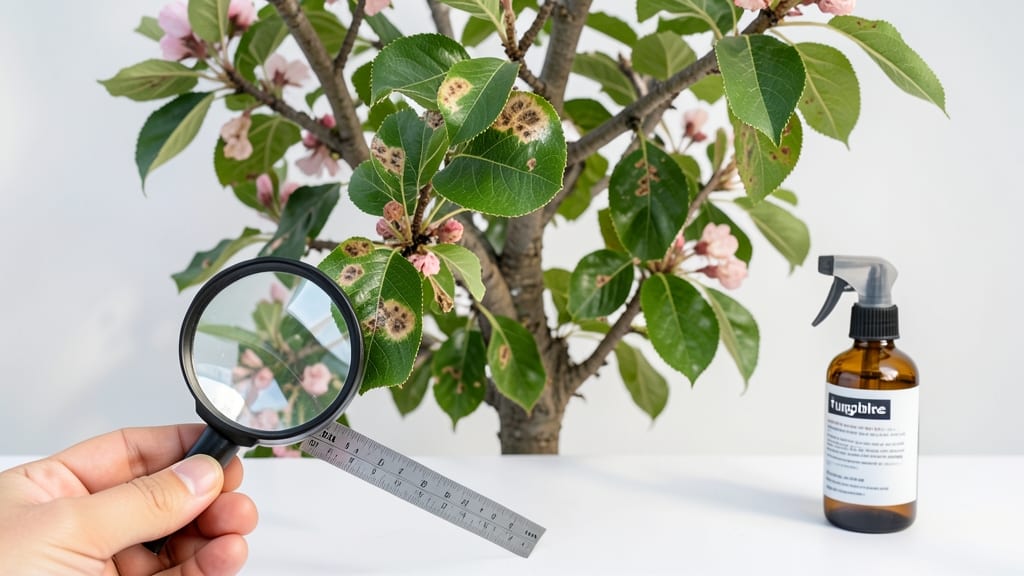
White spots on tree leaves could mean powdery mildew, spider mites, or even environmental stress—and the fix depends on what's causing it. 🌿 I've seen this problem ruin entire shade trees in just a few weeks, but early action can save your plant.
The first step is figuring out whether you're dealing with a fungal infection, tiny pests, or something else entirely.
Powdery mildew leaves a chalky white coating that looks like someone dusted the leaves with flour, while spider mites create tiny white specks that spread across the undersides of leaves.
Environmental factors like poor air circulation or overwatering can also trigger white spots, but these usually appear as irregular patches rather than uniform dusting.
Once you identify the issue, treatment becomes straightforward: fungicides for powdery mildew, neem oil for spider mites, and better airflow/watering for environmental causes. I've used these methods to bring back trees that looked hopeless—within two weeks of proper care, the leaves start clearing up.
This isn't just about fixing the spots—it's about preventing them from spreading to other trees. Proper spacing between plants, regular pruning for airflow, and watering at the base (not the leaves) are your best defenses. Let's get your trees back to healthy, vibrant green in no time.
Root Causes Of Leaf Spots
When your tree’s leaves start developing unsightly white spots, it’s rarely a coincidence—it’s usually a sign of stress, infection, or infestation. Understanding the why behind these spots is the first step toward effective treatment.
Below, we break down the most common culprits, from microscopic invaders to environmental stressors, with clear explanations of how they damage foliage.
Fungi are the #1 cause of white or powdery spots on leaves, thriving in damp, humid conditions. These pathogens disrupt a leaf’s natural functions by:
- Blocking sunlight absorption: Fungal spores (like those from Erysiphe or Podosphaera) create a white, powdery coating that reflects light, starving the leaf of energy.
- Clogging stomata: Tiny pores on leaves regulate gas exchange—fungi plug these up, causing suffocation and yellowing.
- Triggering immune responses: Some fungi (e.g., Cercospora) provoke defensive reactions, leading to necrotic (dead) tissue around spots.
💡 Pro Tip: Fungal spores spread via wind, water, or tools. Prune infected branches last and sterilize shears with rubbing alcohol to prevent cross-contamination.
Not all white spots are fungal—some are the handiwork of insects that either feed on leaf tissue or excrete honeydew (a sugary waste that attracts sooty mold). Common pests include:
| Pest | How They Cause Spots | Visual Clues |
|---|---|---|
| Whiteflies | Suck sap, leaving stippled white/yellow patches; honeydew fosters black sooty mold. | Tiny white moth-like adults, sticky residue on leaves. |
| Spider Mites | Pierce cells, causing chlorotic (white/yellow) speckling; severe infestations lead to webbing. | Fine webbing on undersides, leaves appear "bronzed" or dusty. |
| Leafminers | Larvae tunnel between leaf layers, creating irregular white trails or blisters. | Serpentine or blotchy mines visible through translucent leaf areas. |
🔥 Action Step: For pests, blast leaves with water (disrupts mites/whiteflies) or apply neem oil (1 tsp per quart of water) to suffocate eggs and adults.
Not all white spots are biological. Environmental factors can weaken leaves, making them susceptible to secondary infections or physical damage:
- Powdery Mildew Trigger: High humidity (60%+) + poor airflow = fungal feast. Shade-loving trees (e.g., roses, lilacs) are especially vulnerable.
- Sun Scorch: White or bleached patches on edges of leaves often signal excessive sunlight after winter dormancy or drought stress.
- Chemical Burn: Over-application of herbicides, fertilizers, or even hard water can cause white, crispy spots (like "lime spots" on citrus).
- Hail or Frost: Physical trauma disrupts cell membranes, leaving pale, water-soaked marks that later turn white.
✨ Prevention Tip: Improve airflow with pruning and mulching (2–4 inches of organic matter). For sun scorch, gradually acclimate trees to full sun in spring.
Lack of key nutrients can manifest as white or pale spots, often confused with disease. For example:
- Magnesium deficiency: Causes interveinal chlorosis (white areas between leaf veins), common in acidic soils.
- Calcium deficiency: Leads to blossom-end rot in fruit trees (white, leathery spots on leaves/fruit).
- Zinc deficiency: Produces small, white patches on young leaves (often called "little leaf" syndrome).
📊 Soil Test First: Send a sample to a local extension office. If deficient, apply chelated micronutrients (e.g., Epsom salt for magnesium) or adjust pH with lime/sulfur.
Quick Fixes for Leaf Spots
White spots on tree leaves may seem like a minor annoyance, but they can quickly escalate into a full-blown problem if left unchecked. The good news? Most causes have simple, effective solutions—whether you’re dealing with fungal infections, pest infestations, or environmental stress.
Below, we’ve mapped out practical fixes tailored to the root cause, plus prevention tips to keep your trees thriving.
Fungal infections like powdery mildew or leaf spot diseases thrive in damp, shaded conditions. Here’s how to tackle them:
🔥 Remove Infected Leaves
- 🍳 Collect fallen or heavily spotted leaves in a trash bag (do not compost them—fungi can spread).
- 👨🍳 Prune affected branches if more than 30% of leaves are damaged, cutting back to healthy growth.
- ⏰ Do this in the morning so leaves have time to dry before evening moisture sets in.
🥘 Apply Fungicide
- 🔪 Use a copper-based or sulfur fungicide (organic options like Neem Oil or baking soda spray work too).
- Mix: 1 tsp baking soda + 1 quart water + a few drops of dish soap (as a spreader-sticker).
- Spray: Coat both sides of leaves thoroughly, focusing on undersides (where fungi often hide).
- ✨ Reapply every 7–14 days until new growth appears spot-free.
🌡️ Improve Airflow and Light
- 💡 Thin out dense foliage to allow sunlight and air to circulate.
- 🎯 Space trees properly (follow spacing guidelines for your species).
- 🔥 Avoid overhead watering—use drip irrigation or water at the base early in the day.
Insects like aphids, mites, or scale can leave white, sticky residue (honeydew) or chewed spots. Here’s how to evict them:
🔥 Blast Off Pests with Water
- 🍳 Use a strong hose spray (50–100 PSI) to dislodge aphids, mites, or scale from leaves.
- 👨🍳 Focus on new growth where pests love to hide.
- ⏰ Do this in the early morning to avoid shocking the tree.
🥘 Introduce Natural Predators
- 🔪 Ladybugs, lacewings, or parasitic wasps eat aphids and mites. Buy them online or attract them with neem oil sprays (which repel pests but don’t harm predators).
- 💡 Plant companion flowers like marigolds or dill near your trees to lure beneficial insects.
🌡️ Isolate and Quarantine
- 🎯 Move infested trees away from healthy ones temporarily.
- 🔥 Remove heavy infestations with insecticidal soap (spray directly on pests, not just leaves).
- ✨ For severe cases, use horticultural oil (apply in dormant season to avoid burning foliage).
If white spots stem from sun scorch, nutrient deficiency, or chemical burn, the fix is often simpler:
🔥 Shield from Harsh Sun
- 🍳 Install shade cloth (30–50% coverage) for young or sensitive trees.
- 👨🍳 Mulch heavily (2–4 inches) to regulate soil temperature and retain moisture.
- ⏰ Water deeply in the early morning or late afternoon to reduce evaporation.
🥘 Feed and Hydrate Properly - 🔪 Test soil pH—most trees prefer 6.0–7.0.
Amend with lime (to raise pH) or sulfur (to lower it). - 💡 Fertilize with a balanced, slow-release fertilizer (10-10-10 or similar) in early spring. - 🎯 Avoid over-fertilizing—too much nitrogen can weaken leaves, making them prone to stress.
🌡️ Check for Chemical Burns
- 🔥 If spots appeared after spraying, flush the tree with water and stop all pesticides/fungicides for 2 weeks.
- 💡 Use a chelated iron supplement if chlorosis (yellowing between veins) is present.
Once you’ve treated the issue, proactive care is key to preventing a recurrence:
- 💡 Sanitize pruning tools with rubbing alcohol between cuts to avoid spreading disease.
- 🌡️ Water at the base (not overhead) to reduce fungal splash.
- 🎯 Monitor regularly—catch problems early with weekly leaf inspections.
- ✨ Encourage biodiversity—healthy soil and beneficial insects act as a natural defense.
- 🔥 Avoid wounding trees—prune correctly and remove debris promptly.
Remember: Consistency is key! Most fixes take 2–4 weeks to show results. If spots persist after treatment, consult a local arborist—they can diagnose deeper issues like bacterial infections or root problems. 🌿
Frequently asked questions
Are white spots on tree leaves always caused by disease?
No, they can also come from pests like spider mites or environmental factors. Fungal infections (like powdery mildew) are common, but check the undersides of leaves for tiny webs (mites) or irregular patches (sun scorch or chemical burn). Start by examining the pattern and location of the spots.
How do I tell if it's powdery mildew vs. spider mites?
Powdery mildew leaves a white, chalky coating on both leaf surfaces, while spider mites create tiny white specks (often with webbing on undersides). Hold a magnifying glass to spot mites—if you see fine webs, it's likely mites. Mildew feels powdery when rubbed between fingers.
Can I use household items to treat white spots?
Yes! For fungal spots, mix 1 tsp baking soda + 1 quart water + a drop of dish soap and spray leaves. For pests, use a neem oil spray (1 tsp per quart of water) or blast mites off with water. Always test a small area first to avoid damage.
Will pruning help stop the spread of white spots?
Remove infected leaves/branches immediately (don't compost them) and sterilize pruners with rubbing alcohol. Prune in the morning so leaves dry quickly, and improve airflow by thinning dense foliage to prevent future outbreaks.
How long until my tree looks healthy again?
With proper care, you'll see improvement in 2-4 weeks. Consistency is key—reapply treatments every 7-14 days and monitor for new spots. Healthy new growth should appear within 4-6 weeks, but severe cases may take longer to fully recover.