
Trees
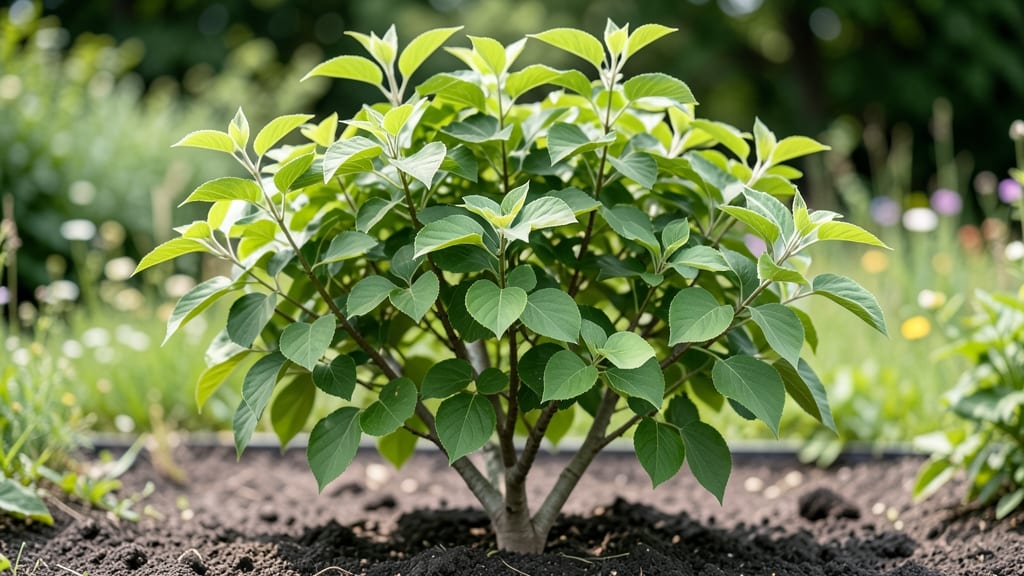
White lilac tree leaves turn yellow or brown? That’s your first sign something’s off with your fragrant spring star. 🌿 I’ve nursed back more than a few lilacs from powdery mildew, spider mites, and even nutrient burnout—each time, the fix starts with spotting the exact problem in the leaves.
The most common culprits are powdery mildew (white fuzzy patches) or nutrient deficiencies (yellowing between veins). Overwatering or poor drainage can also smother roots, leaving leaves crispy at the edges. The good news? Lilacs are tough—they bounce back fast when you address the root cause (literally).
Start by inspecting the undersides of leaves for pests or discoloration. Prune affected branches in late winter or early spring, then feed with compost or a balanced fertilizer. For mildew, a baking soda spray (1 tbsp per gallon of water) works like a charm—just test a small branch first.
With the right care, your lilac will reward you with heavier blooms and glossier leaves next season. The key is acting early—once the leaves start dropping, it’s too late. Let’s get yours back to that showstopping green.
Why it happens
H2: What Triggers Unusual Leaf Shifts?
If your lilac tree’s leaves are turning white—or appearing powdery, streaked, or bleached—it’s usually a sign of stress or an underlying issue. While lilacs (Syringa spp.) are hardy and low-maintenance, their leaves can react dramatically to environmental changes, pests, or diseases.
Below, we break down the most common causes behind white or discolored foliage, along with the science behind each.
---
Lilac trees are deciduous, meaning they drop leaves in winter, but their buds and stems can still suffer from freeze damage or winter burn. When temperatures drop suddenly (especially below 20°F/-7°C) or when cold winds desiccate the leaves, you may see:
- White or grayish patches on leaf edges or surfaces, often crispy to the touch.
- Leaves that appear bleached or powdery after thawing.
- Premature leaf drop in early spring.
Why it happens: Ice crystals form in plant cells during rapid freezing, rupturing them. Cold winds increase transpiration (water loss) faster than roots can replace it, leading to dehydration and necrosis. Lilacs are somewhat tolerant, but young trees or those in exposed areas are more vulnerable.
Actionable fix:
- ✅ Mulch heavily (3–4 inches of organic mulch like wood chips) around the base in late fall to insulate roots.
- ✅ Use windbreaks (burlap screens or evergreen hedges) to shield the tree from drying winds.
- ✅ Avoid winter pruning—wait until late spring to prune, as fresh cuts are more susceptible to cold damage.
---
While lilacs love full sun, intense afternoon sunlight—especially after a rainy spell or in hot climates—can cause leaves to develop white or yellow patches. This is called sun scorch, and it’s more common in:
- Young trees with tender new growth.
- Trees recovering from transplant shock.
- Species like Syringa vulgaris (common lilac) in zones 3–7 with sudden heatwaves.
Why it happens: Excessive sunlight increases photosynthesis rates beyond what the plant’s water supply can handle, leading to oxidative stress. Chlorophyll breaks down, revealing white or necrotic spots. High temperatures also denature enzymes in the leaves, disrupting cellular function.
Actionable fix:
- 💡 Provide afternoon shade temporarily with a shade cloth (30–50% coverage) if your area experiences heatwaves.
- 💡 Water deeply at the base (1–2 inches per week) to keep roots hydrated and improve heat tolerance.
- 💡 Choose heat-tolerant varieties like Syringa meyeri (dwarf lilac) or Syringa x hyacinthiflora for hotter climates.
---
White, sticky, or webby residue on lilac leaves? You might be dealing with sap-sucking insects like aphids, spider mites, or scale insects. These pests extract plant sap, leaving behind:
- White, cottony honeydew trails (from aphids or scale).
- Fine webbing on undersides of leaves (spider mites).
- Yellowing or white stippling (mites or leafhoppers).
- Black sooty mold growth (a fungus fed by honeydew).
Why it happens: Pests pierce leaf cells with their stylets, injecting toxins that disrupt chlorophyll production. The plant’s response—necrotic spots or white stippling—is a defense mechanism to isolate damaged tissue. Heavy infestations also starve the tree of nutrients, weakening overall vigor.
Actionable fix:
- 🔥 Blast pests off with a strong stream of water (especially for aphids or scale).
- 🔥 Use insecticidal soap or neem oil (apply in early morning/evening to avoid harming bees).
- 🔥 Introduce natural predators like ladybugs or lacewings for long-term control.
- 🔥 Prune and dispose of heavily infested branches to reduce pest populations.
---
White, powdery patches on lilac leaves? That’s likely powdery mildew (Erysiphe spp.), a common fungal disease. Other fungi like anthracnose or rust can also cause white or grayish discoloration, often with:
- White, flour-like coatings (powdery mildew).
- Dark brown or black spots with white centers (anthracnose).
- Orange pustules (rust fungi).
Why it happens: Fungi thrive in humid, stagnant air (especially >75% humidity) and poor air circulation. Spores land on leaves, germinate, and penetrate the cuticle using enzymes. The fungus then blocks stomata (leaf pores), disrupting gas exchange and causing white, necrotic patches. Lilacs are susceptible because their thick, waxy leaves trap moisture.
Actionable fix:
- 🌡️ Improve airflow by pruning dense branches and spacing trees 6–10 feet apart.
- 🌡️ Water at the base (avoid overhead sprinkling) and water early in the day so leaves dry quickly.
- 🌡️ Apply fungicides preventatively in spring (baking soda spray: 1 tbsp baking soda + 1 tsp soap + 1 gallon water) or use copper-based fungicides for severe cases.
- 🌡️ Clean up fallen leaves in autumn to remove fungal spores.
---
White or yellowed leaves can also signal nutrient imbalances or toxic exposure. Common culprits include:
- Excessive nitrogen (from over-fertilizing), causing chlorosis (white/yellow patches between veins).
- Herbicide drift (glyphosate or 2,4-D), which can bleach leaves or cause white, crinkled growth.
- Salt buildup (from poor soil or winter de-icing), leading to osmotic stress and white leaf edges.
Why it happens: Too much nitrogen disrupt
Reviving Your Lilac’s Vibrant Health
When your lilac tree’s leaves turn white or lose their luster, it’s time to take action—before the problem spreads. Below, we’ve mapped out practical, step-by-step solutions tailored to the most common causes, along with prevention tips to keep your tree thriving.
Whether it’s a fungal infection, nutrient deficiency, or environmental stress, these fixes will help restore your lilac’s natural beauty.
---
If white, powdery patches or dark spots appear on the leaves, a fungal or bacterial infection is likely the culprit. Act fast to prevent spread.
#### 🔥 Step 1: Prune Infected Growth - 👨🍳 Remove affected leaves and stems using sterilized pruners (wipe with rubbing alcohol between cuts). - ⏰ Best time: Early morning when humidity is lower. - 🔪 Dispose of debris in a sealed trash bag—do not compost infected plant material.
#### 🍳 Step 2: Apply Fungicide - 💡 Organic option: Mix 1 tsp baking soda + 1 quart water + a few drops of dish soap (spray on undersides of leaves). - 🌡️ Chemical option: Use a copper-based fungicide (follow label instructions). - ✨ Reapply every 7–10 days until new growth appears.
#### 🌿 Prevention Tips - 💡 Improve airflow by spacing plants 3–5 feet apart. - 🎯 Water at the base (avoid overhead sprinkling). - ✨ Mulch around the base to reduce soil moisture retention.
---
White or pale leaves can signal a lack of nitrogen, magnesium, or iron. A simple soil test can confirm, but these quick fixes often help.
#### 🔥 Step 1: Test Your Soil - 📊 Grab a DIY soil test kit (available at garden centers) or send a sample to a local extension office. - 💡 Common deficiencies in lilacs: - Yellow leaves? → Nitrogen (use a balanced fertilizer like 10-10-10). - White veins with yellow leaves? → Magnesium (apply Epsom salt—1 tbsp per gallon of water, sprayed on leaves). - Pale green leaves? → Iron (use a chelated iron supplement).
#### 🍳 Step 2: Amend the Soil - 🌱 For nitrogen: Apply compost or well-rotted manure in early spring. - 🌡️ For magnesium: Work 1–2 cups of Epsom salt into the top 6 inches of soil per plant. - 🎯 For iron: Use a liquid iron supplement (follow package rates).
#### 🌿 Prevention Tips - 💡 Test soil every 2–3 years to monitor nutrient levels. - ✨ Avoid over-fertilizing—lilacs prefer moderate fertility. - 🎯 Mulch with compost to slowly release nutrients.
---
If leaves turn white or crispy due to too much sun, wind, or dry conditions, your lilac needs adjustment.
#### 🔥 Step 1: Adjust Watering - 💧 Deep water 1–2 times per week (1 inch per week in dry spells). - 🌡️ Water early morning to reduce evaporation. - ✨ Check soil moisture—stick your finger 2 inches deep; if dry, water.
#### 🍳 Step 2: Provide Shade or Windbreaks - 🌳 Plant near a fence or shrubs to block harsh winds. - 🌿 Use shade cloth (30–50% coverage) if in intense afternoon sun. - 🎯 Avoid transplant shock—if recently planted, mulch heavily to retain moisture.
#### 🌿 Prevention Tips - 💡 Choose the right location—lilacs thrive in full sun to partial shade. - ✨ Mulch with 2–3 inches of organic mulch (wood chips or straw). - 🎯 Group lilacs with other plants to create a microclimate with better humidity.
---
White, sticky residue or tiny webs on leaves? Pests may be sucking sap and stressing your lilac.
#### 🔥 Step 1: Blast Off Pests - 💡 Hose down the tree with water to dislodge aphids or spider mites. - 🌡️ Use neem oil (mix 1 tbsp per quart of water + a drop of dish soap) and spray every 5–7 days.
#### 🍳 Step 2: Introduce Beneficial Insects - 🐞 Ladybugs or lacewings eat aphids—buy them at garden centers. - 🎯 Plant companion flowers like marigolds or dill to attract predators.
#### 🌿 Prevention Tips - 💡 Inspect new plants before adding them to your garden. - ✨ Encourage biodiversity—healthy soil = fewer pest outbreaks. - 🎯 Avoid broad-spectrum pesticides—they kill beneficial insects too.
--- 💡 Pro Tip: If your lilac’s leaves are white but not powdery, it could be sunburn—move it to a shadier spot gradually to avoid shock!
By following these targeted solutions, your lilac should bounce back with vibrant green leaves and fragrant blooms** in no time. 🌸✨
Frequently asked questions about white lilac tree leaves
Why are my lilac leaves turning white but staying crisp?
This is likely winter burn or freeze damage—common in young trees or when temperatures drop below 20°F (-7°C). Cold winds dehydrate leaves faster than roots can replenish moisture, causing white, papery patches. Mulch heavily with 3-4 inches of wood chips and use windbreaks to protect next year’s growth.
Is powdery white on lilac leaves always mildew?
Not always! While powdery mildew is the most common cause, white residue could also be honeydew from aphids or scale insects. Check the undersides of leaves—if you see sticky trails or tiny bugs, it’s pests. For mildew, spray with baking soda solution (1 tbsp per gallon of water); for pests, blast them off with water or use neem oil.
Can I prune lilac branches with white leaves?
Yes, but only if the leaves are diseased or dead. Remove branches with powdery mildew, black spots, or crispy edges using sterilized shears. Prune in late spring or early summer after flowering—never in fall or winter. Dispose of infected clippings in a sealed bag to prevent spread.
Will fertilizing fix white or yellow leaves?
Only if the issue is a nutrient deficiency. Test your soil first—white/yellow patches between veins often mean magnesium (Epsom salt) or iron (chelated iron) deficiency. Lilacs prefer moderate fertility, so avoid overdoing it. Apply compost or a balanced 10-10-10 fertilizer in early spring instead.
How do I prevent white leaves next year?
Focus on airflow, watering, and pest control:
- Space lilacs 6-10 feet apart for better circulation.
- Water at the base (not overhead) and mulch with 2-3 inches of organic matter.
- Inspect leaves weekly for early signs of pests or mildew.