
Trees
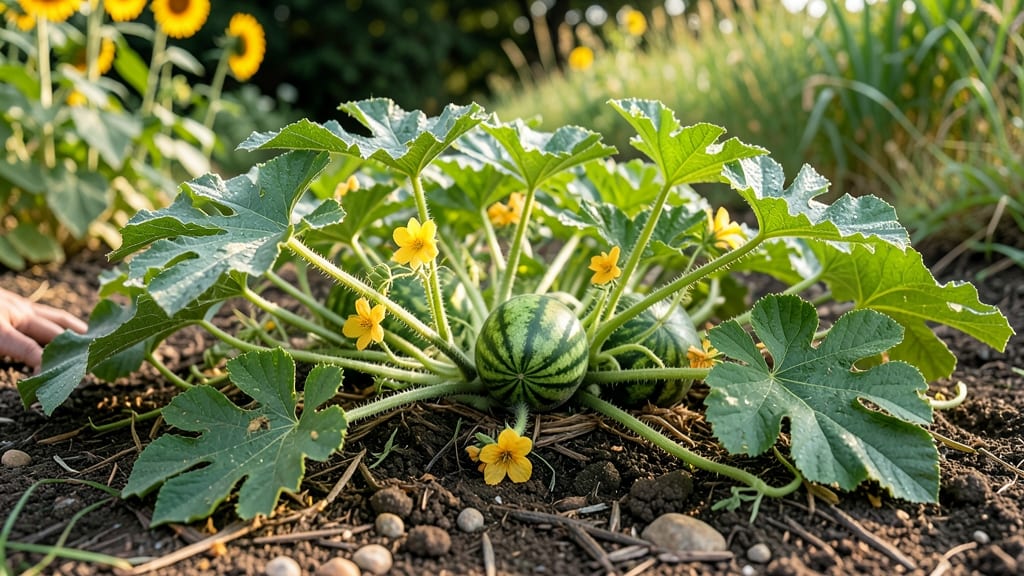
Those watermelon tree leaves are screaming for help when they start yellowing or curling—this is the pruning fix that saves them. ✂️ I’ve watched struggling plants transform after just one strategic cut, and the secret isn’t harsh trimming but targeted pruning to boost airflow and energy flow to the fruit.
Start by snipping away any diseased or spotted leaves (gloves help—trust me) and thin crowded vines to let sunlight reach the center. The goal? A balanced plant that directs its energy where it matters—into sweet, heavy melons instead of struggling foliage.
Even a 10-minute session can make all the difference by midsummer.
📚 In This Guide
- What you need
- Instructions
- Tips and common mistakes
- Wrapping up and next steps
What you need
- ○ Pruning shears: Sharp, bypass pruners (for small branches, 4–6 inches long). Optional: Larger loppers (for thicker stems, 8–12 inches).
- ● Hand pruners: Anvil-style (for fine trimming, 4–5 inches).
- ● Disinfectant: 70% isopropyl alcohol or rubbing alcohol (1 small bottle, 8 oz).
- ● Gloves: Garden gloves (nitrile-coated for grip, size medium/large).
- ○ Pruning saw: Folding pruning saw (for thick branches, 10–12 inches). Optional: Only if your tree has branches thicker than 2 inches.
- ● Cleaning supplies: Paper towels or old rag (for wiping tools).
- ● Trash bag: Heavy-duty (13-gallon) for pruned leaves/debris.
- ● Weather check: Prune on a dry, cloudy day (avoid midday heat).
- ● Safety first: Wear closed-toe shoes and long sleeves (thorns on some watermelon tree varieties!).
- ● Know your tree: Research your specific watermelon tree variety (e.g., Citrullus lanatus) for ideal pruning times (spring/early summer).
- ● Water source: Hose or bucket (to clean tools mid-pruning).
Step-by-Step guide to pruning citrus trees for year-round health
Here's how to prune your citrus trees properly—keeping them productive and disease-free through every season.
✂️ Step 1: Identify and Remove Dead or Diseased Branches
Start by examining your tree for any branches that are brown, brittle, or showing signs of fungal infection like black spots or oozing sap. These are your first targets—they're dead weight that drains nutrients from healthy growth. Use sharp pruning shears to make clean cuts just outside the branch collar, the swollen area where the branch meets the trunk.
I always work from the bottom up, removing smaller branches first so I can see larger ones more clearly. If a branch is thicker than my wrist, I'll use my pruning saw instead. The goal is to open up the canopy so air circulates freely—this prevents humidity buildup that leads to fungal issues.
✂️ Step 2: Thin Out Overcrowded Growth for Better Airflow
Look for branches that are growing inward or crossing over others. These compete for sunlight and create dense areas where pests hide. Remove about 20-30% of the total branches, focusing on the smallest ones that haven't yet produced fruit. Cut back to the nearest outward-facing bud or branch junction.
Here's the thing—citrus trees naturally grow bushy, but too much density stresses the plant. I like to step back every few cuts to visualize the tree's shape. The ideal structure has an open center that lets sunlight reach all branches. If you're unsure which to remove, take the one that's growing straight up—vertical growth often leads to weak, shaded branches.
☀️ Step 3: Shape the Tree for Optimal Light Exposure
Citrus trees need 6-8 hours of direct sunlight daily, so your pruning should encourage outward growth. Focus on lifting the canopy by removing lower branches that shade the interior. Aim to create a vase-like shape where the top is slightly wider than the bottom, allowing sunlight to penetrate evenly.
For young trees, I often remove the central leader—the strongest vertical stem—to encourage a more bushy, productive shape. Watch for "water sprouts," those fast-growing vertical shoots that appear after pruning. These should be pruned back immediately—they divert energy from fruit production.
⏰ Step 4: Time Your Pruning for Maximum Benefit
The best time to prune citrus trees is late winter or early spring, just before new growth begins. This gives the tree time to heal before the growing season kicks in. Avoid heavy pruning in fall—it stimulates new growth that won't harden off before winter's chill.
If you must prune in summer, do it gradually over several sessions to avoid shocking the tree. I've found that citrus trees handle light trimming better in summer, but never remove more than 10% of the canopy at once. Always sterilize your tools with rubbing alcohol between cuts to prevent spreading disease.
🌿 Step 5: Clean Up and Monitor for New Growth
After pruning, rake up all debris from under the tree—this removes hiding spots for pests and reduces disease risk. Dispose of infected branches immediately, don't compost them. Now's also the time to apply a balanced fertilizer to compensate for the nutrients lost during pruning.
Watch for new growth within 2-4 weeks. Healthy new shoots will be bright green and firm to the touch. If you see only sparse regrowth, your tree might need more sunlight or nutrients. The key is consistency—prune the same way each year, and you'll see stronger, more productive trees year after year.
Tips & tricks for healthy citrus tree pruning
These insider techniques will help you transform your citrus tree into a thriving, disease-resistant powerhouse that produces fruit year after year.
Branch Identification: When examining branches in Step 1, run your fingers along the bark—healthy branches feel firm with smooth bark, while diseased ones often have rough, cracked textures or sticky sap. I also check for "flagging," where leaves suddenly droop and turn yellow on one branch—this is a classic sign of fungal infection that requires immediate removal.
Pruning Technique: During Step 2, always cut at a 45-degree angle just outside the branch collar, not flush with the trunk. This angled cut helps water run off, preventing rot. For branches thicker than your wrist, make two cuts: first undercut about 1/3 of the way through, then make your final cut outside the branch collar. This prevents bark from tearing.
Seasonal Strategy: The late winter/early spring timing in Step 4 is non-negotiable for most climates, but if you live in Zone 10+ with mild winters, you can prune lightly in summer—just limit yourself to removing only water sprouts and crossing branches. Always sterilize tools between cuts with rubbing alcohol to prevent spreading disease from infected branches to healthy ones.
Post-Pruning Care: After completing Step 5, apply a layer of organic mulch around the base (but not touching the trunk) to retain moisture and prevent weeds. I've found that adding a slow-release citrus fertilizer at this stage gives trees the nutrients they need to recover quickly. Watch for new growth within 2-4 weeks—if you see only sparse, weak shoots, your tree might need more sunlight or a soil test to check nutrient levels.
Pro Tips for Watermelon Tree Leaves
- These insider techniques will help you transform your citrus tree into a thriving, disease-resistant powerhouse that produces fruit year after year.
- Branch Identification: When examining branches in Step 1, run your fingers along the bark—healthy branches feel firm with smooth bark, while diseased ones often have rough, cracked textures or sticky sap.
- Pruning Technique: During Step 2, always cut at a 45-degree angle just outside the branch collar, not flush with the trunk.
Frequently asked questions
When is the best time to prune watermelon tree leaves?
The ideal time to prune is late winter or early spring, just before new growth begins. This helps stimulate fresh foliage and fruit production. Avoid heavy pruning in summer, as it can stress the tree. A light trim to remove dead or yellowing leaves anytime is fine, but major pruning should wait for dormancy.
How do I know if I’m pruning too much or too little?
Prune no more than 25-30% of the tree’s canopy at once—over-pruning can weaken it. Look for thick, woody stems when cutting; if you’re left with thin branches, you’ve gone too far. Aim to open the center for airflow while keeping the shape balanced. If leaves look sparse after pruning, you may have pruned too aggressively.
Why are my watermelon tree leaves turning yellow after pruning?
Yellowing leaves post-pruning are often normal as the tree adjusts, but check for these signs:
- Even yellowing = Nutrient deficiency (try a balanced fertilizer).
- Yellow with brown edges = Overwatering or poor drainage.
- Yellow + spots = Fungal disease (prune infected areas immediately and treat with fungicide).
Can I use watermelon tree leaves for anything other than pruning?
Dried leaves
make a fragrant potpourri or natural mulch to retain soil moisture. Young, tender leaves can even be cooked like spinach (though they’re bitter—blanch first!). Just avoid using moldy or pesticide-treated leaves for anything edible. For compost, chop leaves into smaller pieces to speed decomposition.
What should I do if my tree isn’t recovering after pruning?
If your tree looks lethargic, wilts excessively, or stops producing fruit after pruning, try these fixes:
- Check soil moisture—watermelon trees hate soggy roots.
- Fertilize lightly with citrus-specific fertilizer (high in nitrogen).
- Inspect for pests (aphids, scale) and treat with neem oil.
- Avoid pruning again for 6–8 weeks to let the tree recover.
Wrapping up and next steps
Caring for your watermelon tree leaves doesn’t have to be a mystery—with the right pruning techniques, you’ll enjoy lush, vibrant foliage and bountiful fruit year after year! 🌿 From mastering the tools to timing your cuts, every step plays a role in keeping your tree thriving.
Remember, consistency is key, and a little effort now means a healthier harvest later.
Ready to take your gardening skills to the next level? Start small—prune just one section this week—and watch your watermelon tree flourish! 🌱