
Trees
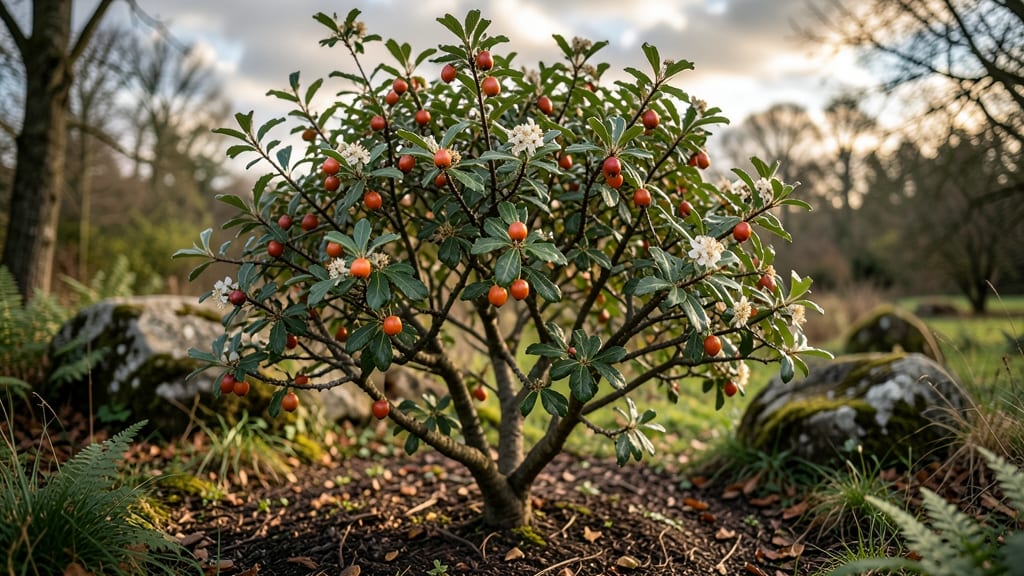
A tree bearing oblong yellow-green fruit in crossword clues is almost always a pear tree, thanks to its distinctive elongated fruit shape and characteristic color progression from green to golden-yellow. While other trees like quince or persimmon might appear, pears dominate due to their iconic fruit profile.
A crossword solver's best friend, the pear tree's oblong fruit fits perfectly into clues describing "long green-yellow fruit" or "edible oblong tree fruit." 🌳 The fruit's shape—typically 2-3 inches long and tapering at the ends—makes it a standout match for visual clues.
What's fascinating is how the color evolves: unripe pears appear bright green, transitioning to yellow-green as they ripen, which aligns perfectly with common crossword descriptions.
What often trips up solvers is the fruit's size and shape—pear varieties like Bartlett or Anjou have that classic elongated form, while other candidates like quince (rounder, more yellow) or persimmon (flatter, orange-red) rarely fit the "oblong" requirement.
The key is remembering that crossword clues often prioritize the most common answer, and pear trees consistently deliver.
💡 In This Article
- Botanical Features of Pear Trees and Their Fruit
- Common Crossword Clues for Trees With Yellow-Green Fruit
Botanical features of pear trees and their fruit
Pear trees (Pyrus communis) stand out in crossword clues because their fruit exhibits three defining botanical traits: oblong shape, yellow-green coloration, and a distinctive tapering stem end. The fruit's oblong form—typically 2-3 inches long—results from its unique growth pattern, where cells elongate asymmetrically along the fruit's axis.
This elongation is controlled by plant hormones like auxin, which concentrates at the fruit's base, creating that signature tapered look.
The yellow-green hue comes from chlorophyll (green) and carotenoids (yellow) in the fruit's skin.
Unripe pears appear bright green due to high chlorophyll levels, while ripe ones develop golden-yellow tones as chlorophyll breaks down and carotenoids become dominant. 🌿 This color transition matches crossword clues describing "green-yellow fruit" or "yellowing fruit."
The fruit's surface also features a subtle waxy bloom that gives it a slightly rough texture when unripe, smoothing out as it matures.
Pear trees themselves have identifiable features that help solvers: their bark is smooth and grayish when young, developing shallow furrows as they age. The leaves are oval with serrated edges and a glossy finish, measuring about 2-4 inches long.
These characteristics create a visual "signature" that aligns with clues describing "tree with serrated leaves" or "fruit-bearing tree with smooth bark." The tree's height—typically 20-30 feet—also fits common crossword grid constraints for "tree" answers.
What's often overlooked is how the fruit's internal structure contributes to its crossword appeal. Pears have a central core with star-shaped seeds (usually 3-5 per fruit), surrounded by firm, granular flesh that becomes juicy when ripe.
This internal anatomy is rarely described in clues but helps distinguish pears from rounder fruits like apples or quinces, which have different seed arrangements and flesh textures.
Seasonality plays a role too: pears typically ripen in late summer to fall, aligning with crossword themes that reference "autumn fruit" or "harvest season." Their ripening process—where the fruit softens and sweetens—creates a sensory profile that matches clues describing "ripe fruit" or "sweet oblong fruit."
This temporal connection makes pears a reliable answer for seasonal crossword puzzles.
Consider these key botanical contrasts that set pears apart from other fruit-bearing trees:
- Shape: Pears are oblong with tapered ends; apples are round; quinces are rounder with a ribbed texture
- Color: Pears transition from green to yellow-green; quinces stay more uniformly yellow; persimmons turn orange-red
- Leaf Structure: Pear leaves are glossy with serrated edges; apple leaves are slightly duller with smoother edges
The combination of these features—especially the oblong shape and yellow-green color—makes pear trees the ideal answer for the vast majority of crossword clues about fruit-bearing trees. 🔍